
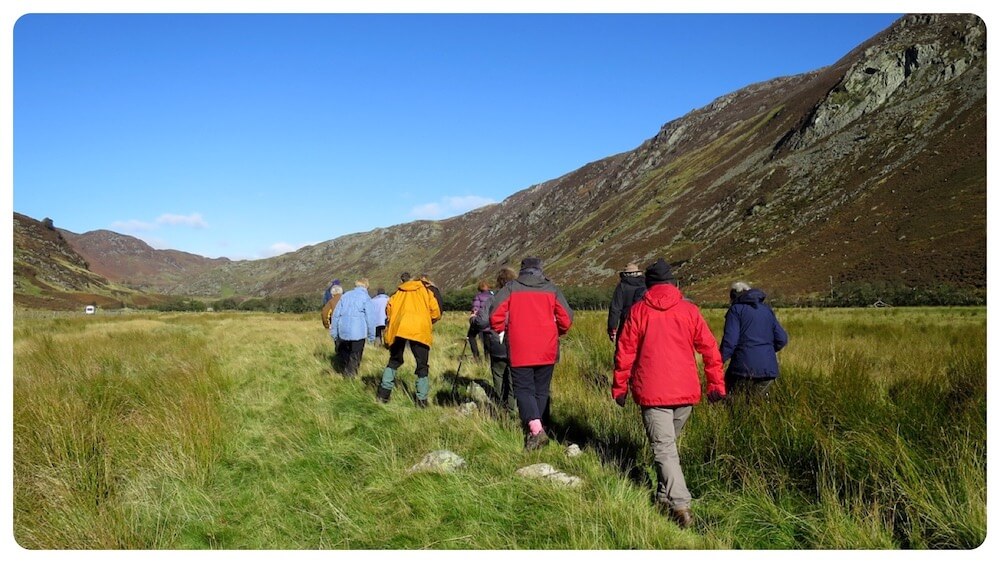
The English language has the idiom: “Before you judge a man, walk a mile in his shoes.” It’s a reminder to practise empathy.
What happens if you walk a mile in the shadow of cattle?
By joining the Drover’s Tryst Walking Festival, you have the chance to learn about the long-vanished Scottish trade of cattle droving — and to reconnect with the people and paths that shaped this landscape.
This festival celebrates that history by walking the land itself, following the routes that once brought cattle, people, and trade into Crieff.
Walk in the Shadow of Cattle
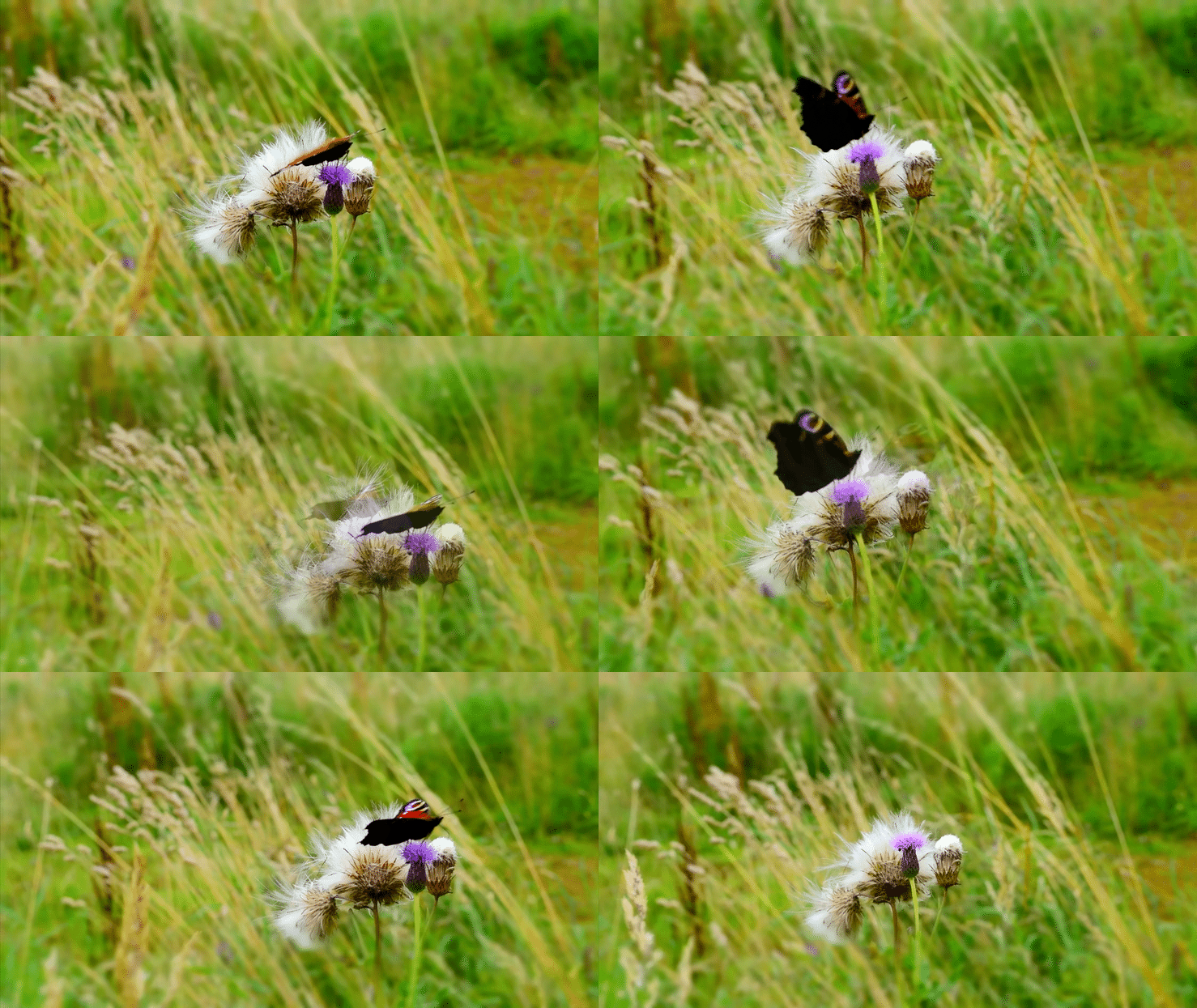
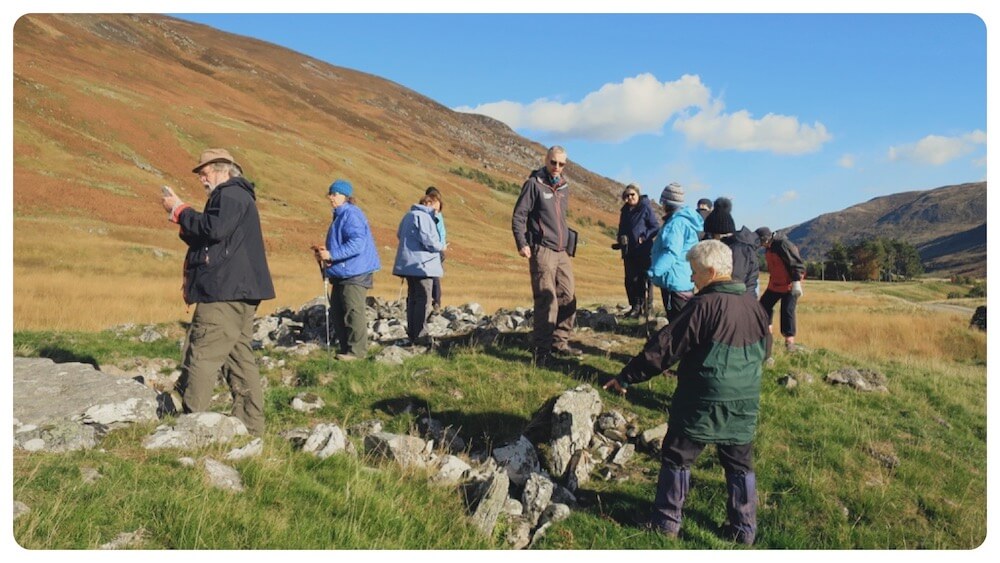
“The history of Scotland goes beyond bloody battles and castles. Away from the famous conflicts associated with Wallace, Bruce and Bonnie Prince Charlie, ordinary folk just got on with their lives. Crieff & Strathearn Drovers Tryst annually celebrates the life, work and play of the people who made Crieff in Perthshire the crossroads of Scotland in the 1700s.”
The Drover’s Tryst website
Film showing the glens of the drovers’ paths
Walking the Drovers’ Routes Around Crieff
The Drover’s Tryst Walking Festival is an annual walking festival rooted in Crieff’s history as a major cattle market.
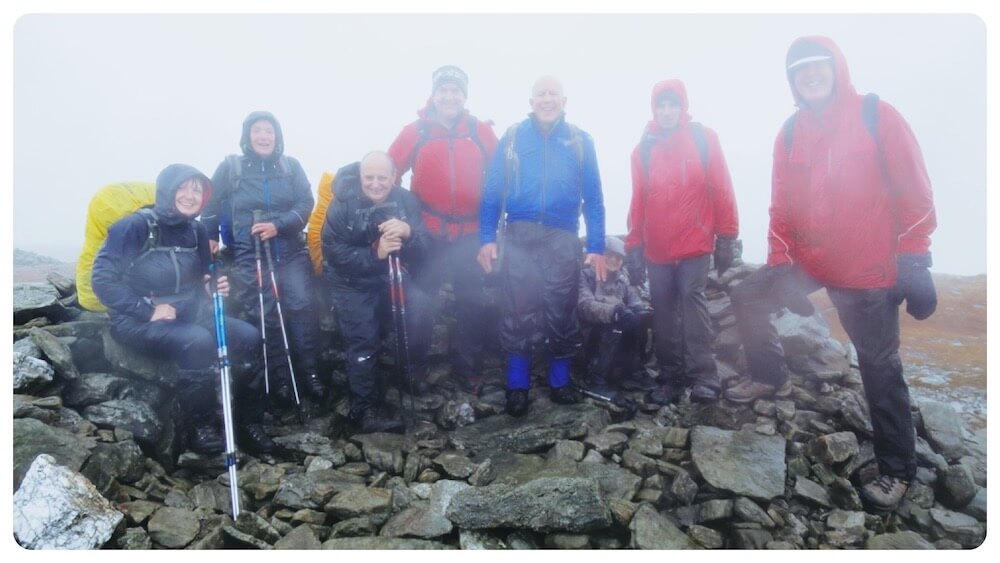
During the festival, walkers of different abilities gather over the course of a week to walk the same land that — at this time of year — tens of thousands of cattle were once driven along.
The walks follow a network of routes converging on Crieff from across the north and north-west of Scotland, tracing the paths that once brought cattle, people, and trade to the great market (or tryst) held here centuries ago.
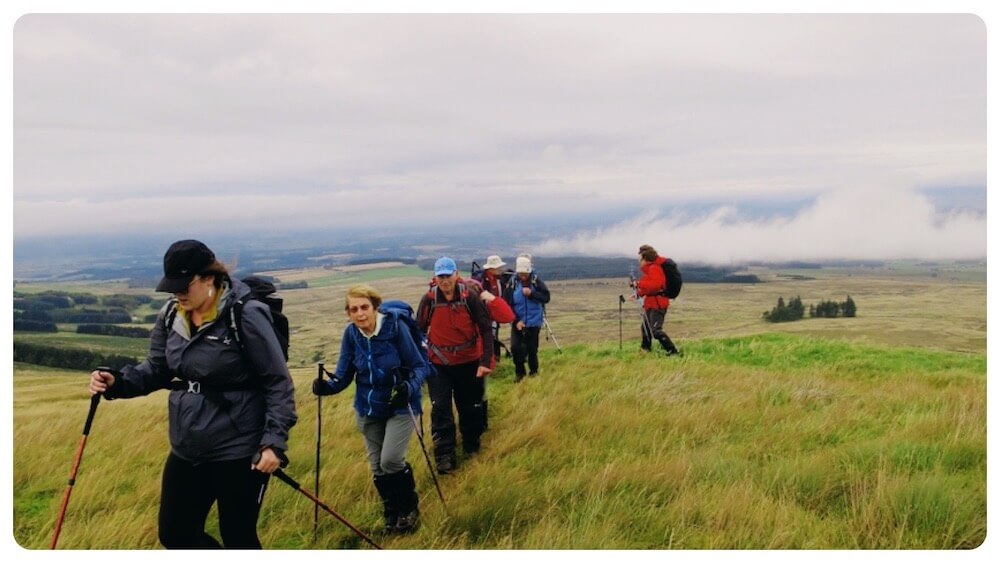
“In the second week of October 1714, the Highlanders gathered in Crieff for the annual market. Civil war was expected at any time. By day Crieff was also full of soldiers and government spies! Just after midnight, Rob Roy and his men marched to Crieff Town Square and rang the Town bell. In front of the gathering crowd sang Jacobite songs and drank a good many loyal toasts to their uncrowned King James VIII”.
The Visit Scotland website
About the Historic Trysts
In Scots, the word tryst means an agreed meeting place.
It would have been a truly remarkable sight to see cattle flowing into Crieff from all directions.
Due to the scale of its cattle trading, by the mid-18th century Crieff was booming as one of the main financial centres of Scotland.
The Drover’s Tryst Walking Festival makes it possible to imagine the sights and mayhem of thousands of cattle arriving into the town, as you walk the same routes where short, black Highland cattle once poured into the Sma’ Glen from the north, or travelled down Strath Tay from the north-east — as far away as Aberdeenshire.
Large numbers of beasts also travelled from Argyll and the islands, making their way via Rannoch Moor, Glen Dochart, and along Lochs Tay and Earn before arriving in Crieff to be sold.
Dangerous Visitors | Scotland’s Highlanders
Such an influx of cattle and commerce brought its own problems in less law-abiding times.
Cattle theft was rife, and Crieff became known for hanging Highlanders accused of lawlessness.
There was little cash in circulation, so trade relied on bills of exchange. In 1772, a bank crash brought down several early financial houses with interests in the cattle trade.
“According to the schoolmaster for Monzie in the Statistical Account of 1793 the good citizens of that Parish “went in fear of their lives from the Highland drovers who broke into their houses, forcibly billeting themselves and often carried off part of the household goods and removed the potatoes from their fields”.
The Drover’s Tryst website
The Destruction of Crieff
They were feisty times, and in 1716, Jacobites burned Crieff on their way back from the Battle of Sheriffmuir.
Many townsfolk perished in the cold of the night.
In 1723, as many as 30,000 cattle were sold at Crieff’s Tryst, with many of the animals subsequently driven a further 800 km south to Smithfield in London.
→ Learn More About the Burning of Strathearn Through Illustrator Laura Darling’s Artwork
A Changing Marketplace
Although cattle trading in Crieff continued until the 1950s, in 1770 the town’s huge tryst was transferred to Falkirk.
By then, the Jacobite threat had faded and English dealers felt more confident travelling north of the border.
The tryst moved to Falkirk largely because it was closer and easier for buyers to reach.
“The old people here sometimes speak with deep regret of the glorious scene displayed to view when 30,000 black cattle in different droves overspread the whole adjacent country for several miles around the town.”
The Drover’s Tryst website
Visit Perthshire | Crieff’s Cowches
Changing economic conditions hit the Highlands hard, and many of the drovers — who had learned both their land and their cattle by heart — were themselves forced from the land during the Highland Clearances. Many emigrated to the New World to survive, and some of their descendants later became cattle-driving cowboys of the American “Wild West”.
In a recent tourism initiative, Crieff’s cattle market history was celebrated through the appearance of eleven Cowches in an art trail around the town.
Each Cowch — a cow shaped like a couch — was decorated by a selected artist and featured designs inspired by local businesses or local themes.
At the end of the summer, Crieff briefly hosted a cattle market once again, as the Cowches were auctioned at an event held at the Hydro Hotel, raising funds for Scotland’s Charity Air Ambulance.
You can still find a few Cowches locally.
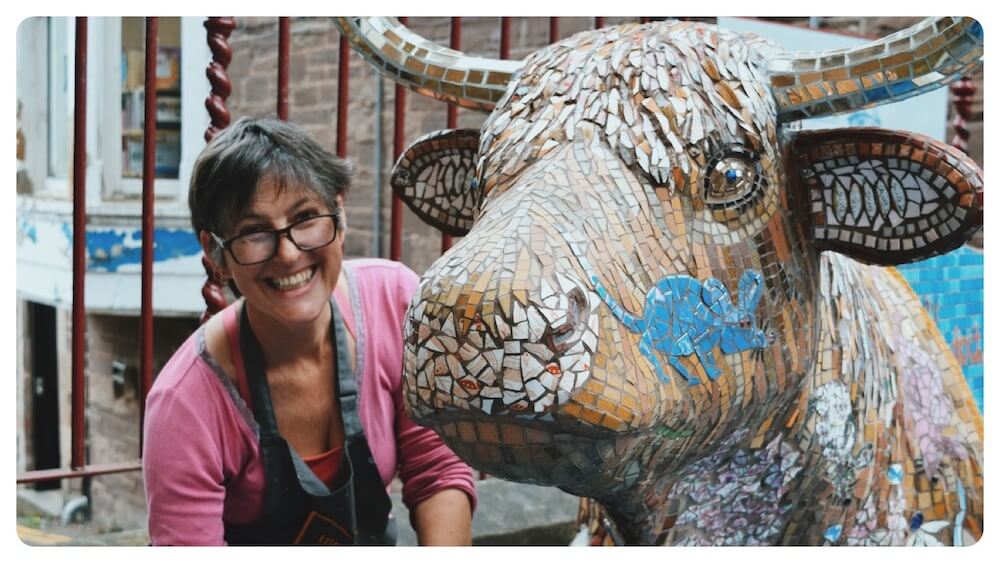
Artist Katy Galbraith with her Cowch, Sweet Annie
Walking the Festival Routes
The Drover’s Tryst Walking Festival offers a rich introduction to Crieff’s social history and to the wider landscape in which it sits — geographically, economically, and culturally.
Festival programmes typically include a wide range of walks, from easier routes led by specialists such as archaeologists, foragers, beekeepers, and landscape practitioners, to longer hill days following historic drove roads through hills and mountain terrain.
Some routes trace paths such as the historic Coffin Route from Inverarnan to Inverlochlarig, once used to carry coffins from Glen Falloch to the old church at Balquhidder, where Rob Roy is buried.
Together, these walks offer a way of understanding the land through movement — following the same lines that have shaped work, travel, and community in this part of Scotland over centuries.
“Guided walks are the core of the festival, ranging from themed easy walks to high level walks in the hills up to an hour away from Crieff. The area and the walking programme include a wide variety of terrain, from wooded walks along the River Earn to routes that climb Munros.
Walks are enriched by wildlife, plants, trees, history and the company of like-minded people.
Complementing the walking programme is a series of evening social events, including music, informative talks, cinema and a ceilidh.”
The Drover’s Tryst website

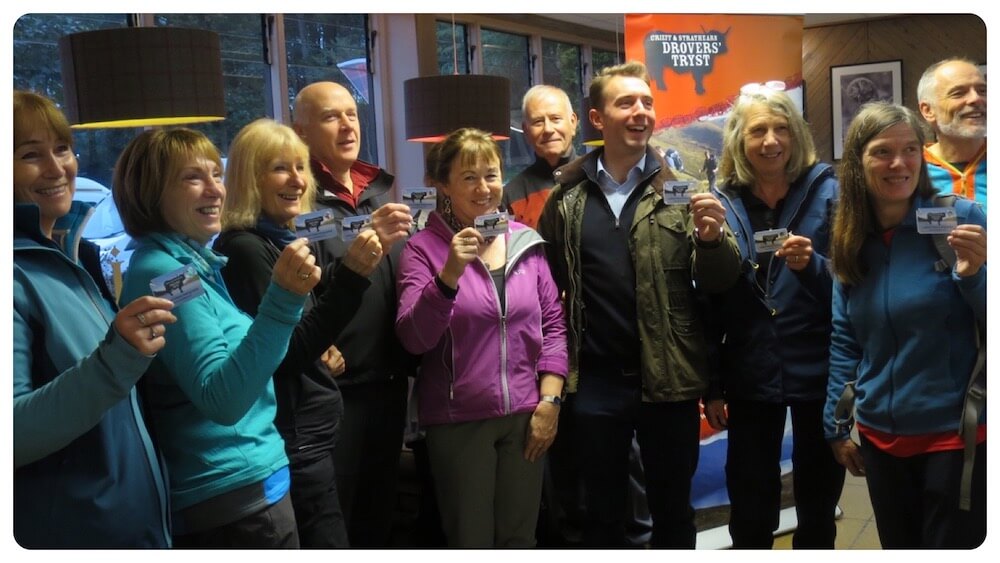
All Drover’s Tryst photographs on this page are by Ian Buchan Chair of the Drover’s Tryst, and used with his permission (thank you!).
One Way to Join In
Blue Noun works with local festivals and communities to share Scotland through walking, conversation, and cultural participation.
You can walk this festival as part of a small Blue Noun holiday in May.
→ Walking in Scotland, Combine Your English Holiday with The Drovers’ Tryst Hiking Festival
Further Information
Find more information about the Drover’s Tryst – including detailed maps of all the walks.
History & Walking Guides
Further ways Blue Noun language hub shares history and historic culture
Discover how we use Scottish history to unlock your English.
Walking on our English language holidays
Walking is a central part of our English language holidays in Scotland, creating space for conversation, reflection, and shared experience.
If you’d like to understand how walking fits into our approach — from mixed abilities and local knowledge to why movement supports confident, real-world English — you can explore it in more detail here:
→ Walking in Scotland on our English language holidays