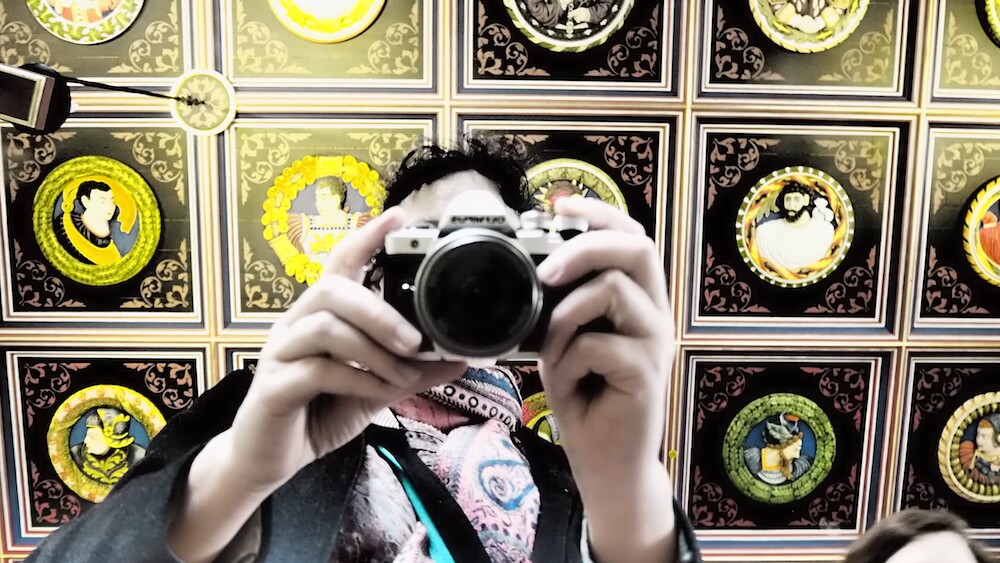
If you’re looking for things to do at Stirling Castle, it’s easy to follow the main route and see the highlights.
But this is also a place that rewards a slower pace.
These four pauses are the ones I return to often—small moments that invite you to stop, notice more, and experience the castle in a way that feels closer to slow travel than sightseeing.
They’re easy to miss if you’re rushing. But they’re often the parts that stay with people the longest.
This page is part of a wider mission to share Scotland from unusual viewpoints.
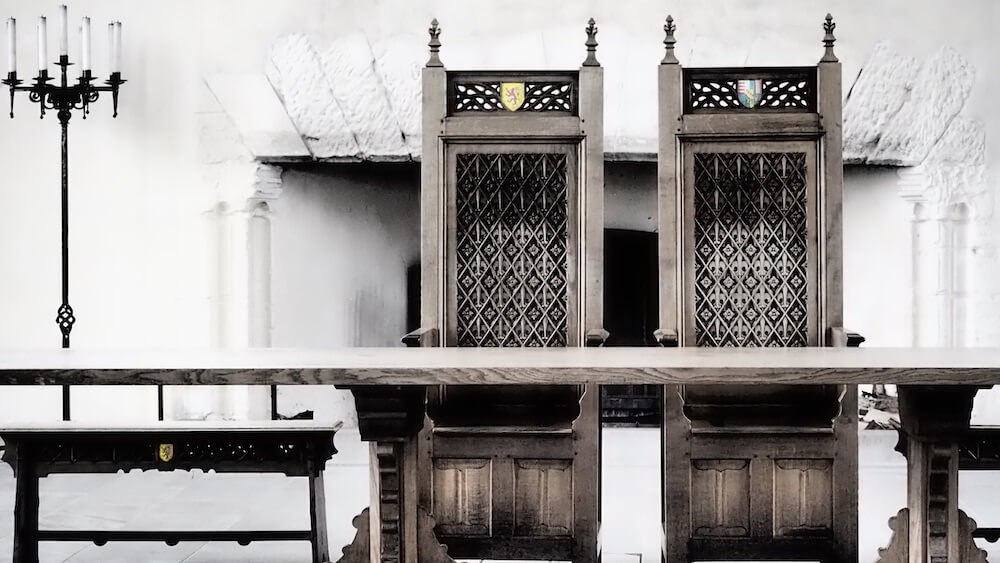
#01: The Herb Garden: A Slower Way Into Stirling Castle
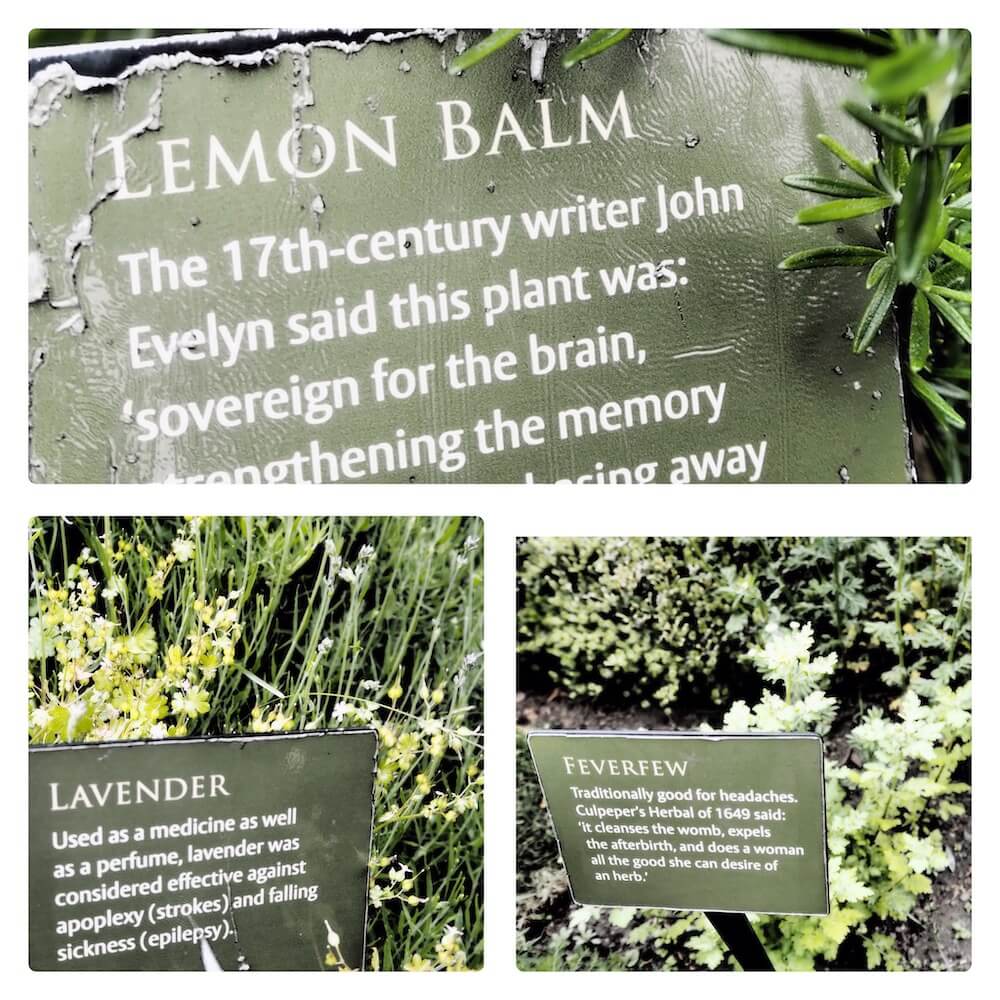
Tucked away at the top of the castle garden is a recently planted herb garden—easy to miss if you’re moving quickly through Stirling Castle.
This is one of the places I often pause. The detail here slows people down—reading, smelling, noticing—and from there, conversation tends to open up quite naturally.
What’s particularly striking is how the garden brings history to life in a quieter, more sensory way. The smells, the textures, and the descriptions of historic plant uses draw you into everyday medieval life—something the grand rooms and costumed figures don’t always quite capture.
It also tends to shift the conversation into comparisons—how things were used in the past, what’s changed, and what’s been lost or rediscovered over time.
It’s not just something to look at. It’s something to experience more closely.
“Foxglove: also known as dead men’s bells, bloody fingers and witches’ thimbles, foxglove was put into cradles to protect babies from witchcraft.”
#02 The Visiting Exhibitions
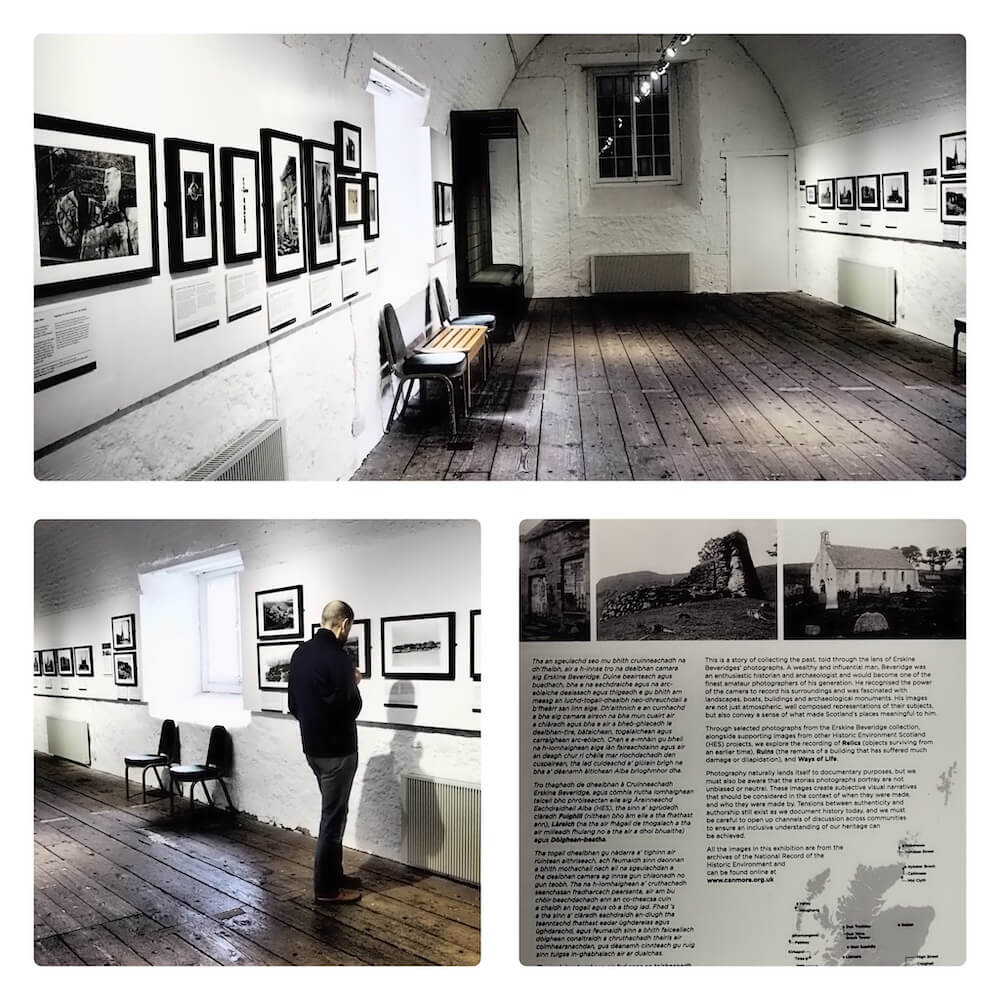
Stirling Castle regularly hosts temporary exhibitions—and they’re easy to miss if you move straight through the main rooms.
What often surprises people is the level of thought behind them. These aren’t just add-ons for visitors; they’re carefully curated, often academic or contemporary in theme, and well worth your time.
I remember one in particular, centred on the work of Erskine Beveridge—a Scottish historian and photographer documenting landscapes, ruins, and ways of life he believed were disappearing.
It wasn’t just a collection of images. It explored how we document the past—what gets recorded, what gets left out, and how those choices shape the stories we inherit.
It’s not what most people expect to find in a space like Stirling Castle—and that’s exactly why it’s worth leaving time for.
es the way relics and ruins link past and present in time.
It asks the audience about the viewpoint of the photographer. What is being documented, what is being omitted – and to what objectives?
It’s often in spaces like this that conversation deepens—moving beyond description into interpretation.
#03 The Unicorn At Stirling Castle: More Than A Symbol
Unicorns appear throughout Stirling Castle—but not in the way many visitors expect.
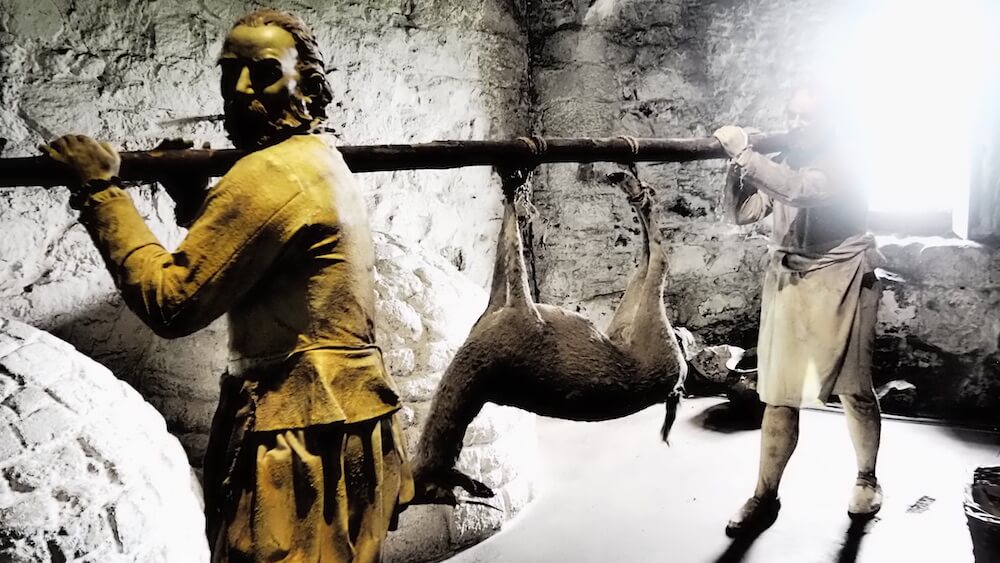
As a symbol of Scotland, the unicorn is far from the soft, decorative creature we tend to imagine today. Historically, it’s a more complex—and often darker—figure.
The castle’s curatorial team handle this tension carefully. Original tapestries show the unicorn being hunted and killed (and, in true medieval fashion, not killed at the same time), while younger visitors are gently introduced to a more familiar, child-friendly version.
It’s a detail many people pass by—but once you start noticing it, the unicorn begins to appear everywhere: in carvings, in fabrics, in small architectural details woven through the space.
It subtly shifts how you see the castle—not just as a historic site, but as a place layered with symbols, stories, and different ways of interpreting them.
#Stirling Castle At Dusk: A Different Experience Of Place
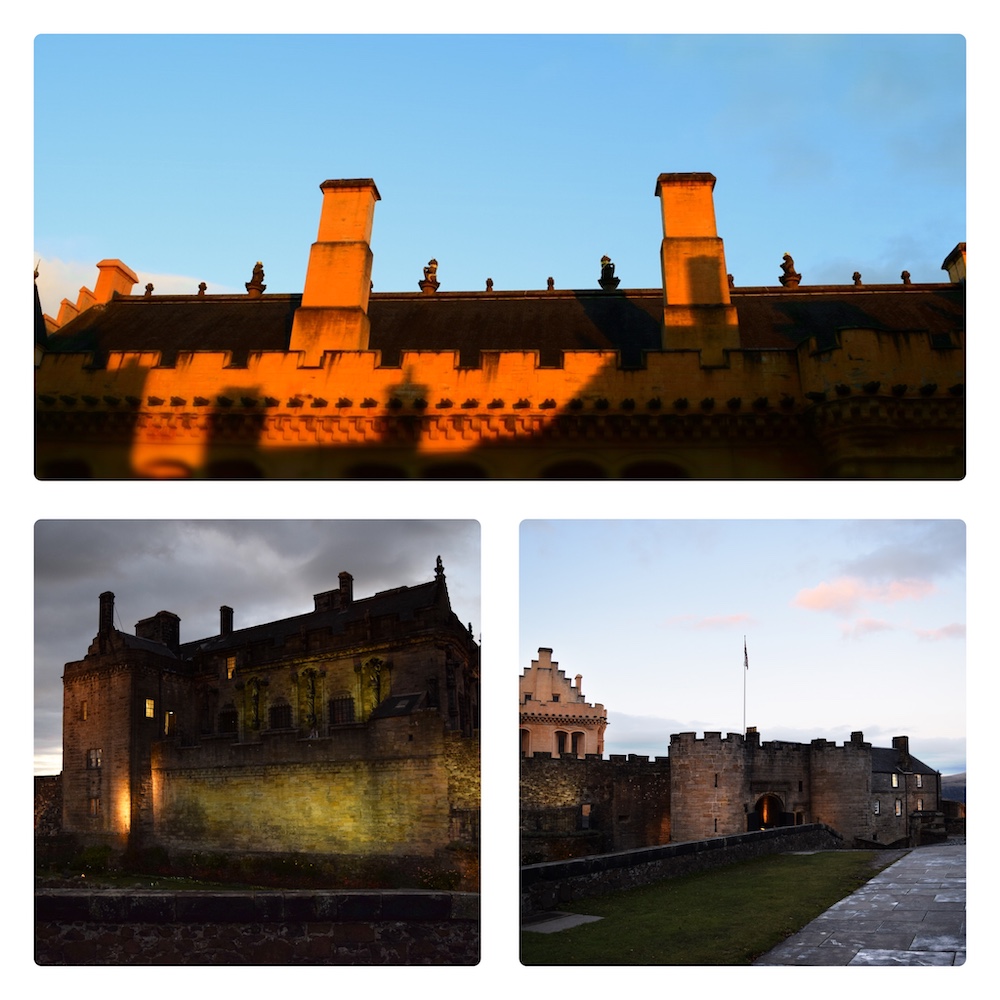
Stirling Castle is impressive at any time of day—but it shifts completely in the quieter hours.
Late afternoon in autumn, or early evening in winter, brings a different kind of atmosphere. The crowds thin, the light softens, and the scale of the architecture becomes more noticeable.
With fewer people around, the experience becomes less about “visiting” and more about simply being there.
Standing on the battlements, looking out across the Carse of Stirling as the light fades, you begin to feel both the weight of history and your own smallness within it.
If you take the time to stop here, the view itself becomes part of the experience. I’ve written more about what you can see from the ramparts—and why it matters—in this companion guide:
Experience Stirling Differently
Stirling Castle is often seen as a “must-see”—but how you experience it makes all the difference.
It’s easy to move through quickly, following the main route. But the quieter details—the ones that slow you down—are often what stay with you.
If you’re visiting Stirling and would like a more thoughtful way to experience places like this, I offer small, guided English sessions—morning or afternoon—built around conversation, observation, and real places.
You won’t be sitting in a classroom. You’ll be out here—exploring, noticing, and using your English naturally as part of the experience.
→ Add a Real World English Coaching Session to Your Stirling Visit
Further Information
Continue Exploring Stirling
If you’re planning your time in Stirling, you might also enjoy: