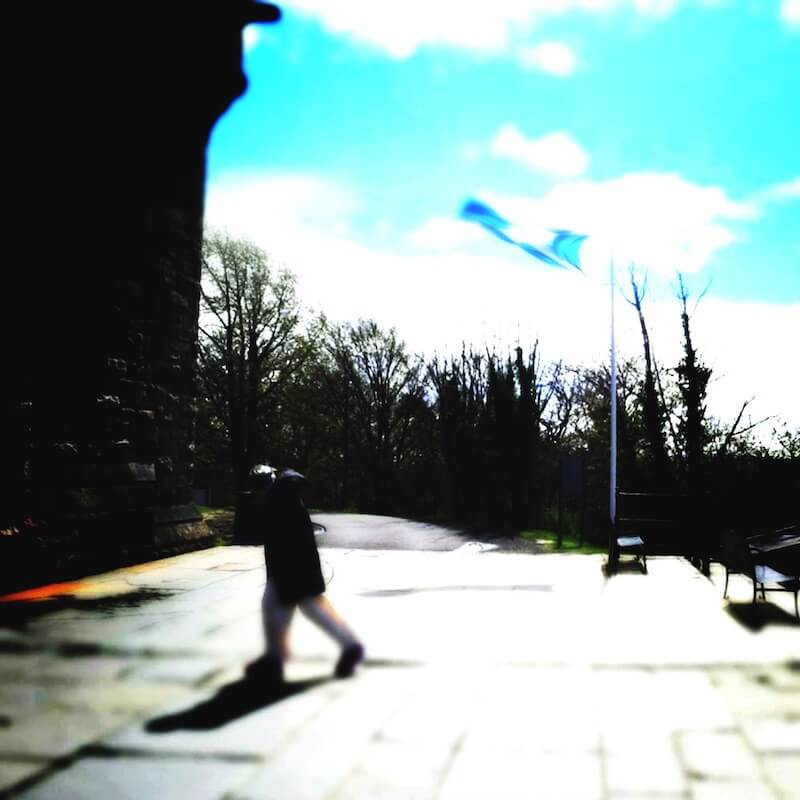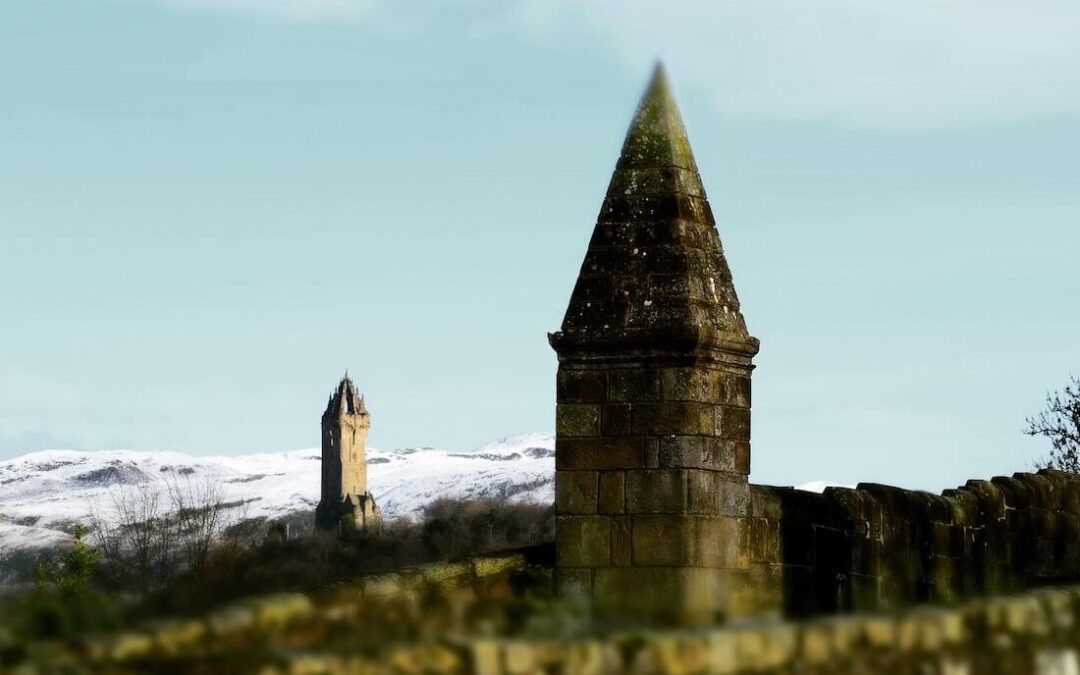
The Wallace Monument is on most visitors’ Stirling to-do list.
It’s a handsome monument which photographs beautifully above the trees and valley floor, and for many people it represents something powerful in Scottish history — courage, resistance, and the idea that one person can change the course of events.
The tower itself is thrilling to visit.
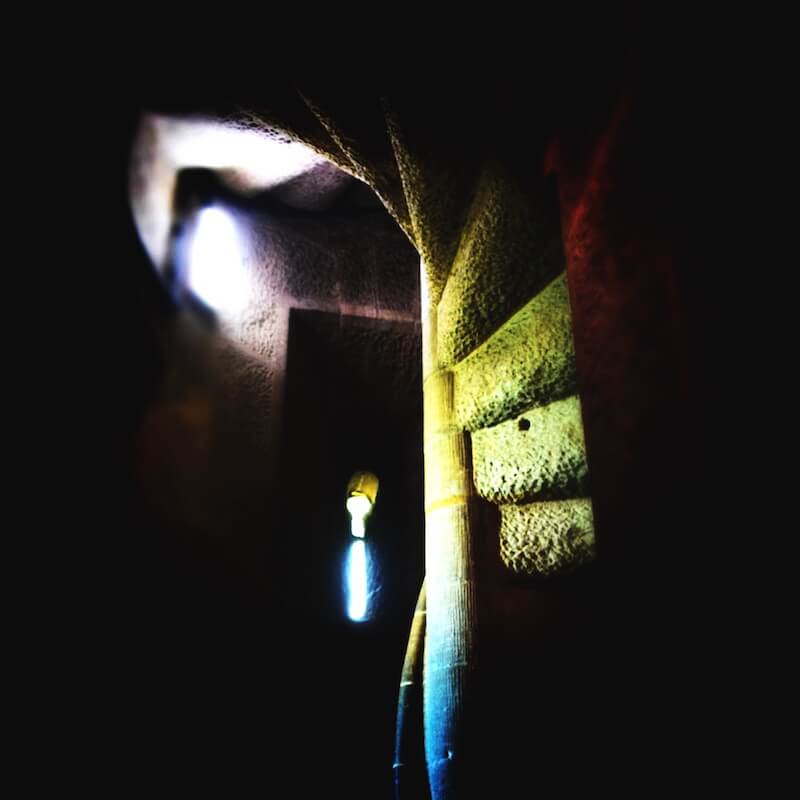
The narrow spiral staircase is sensory and intense after the openness of the surrounding hills. The higher you climb, the more the landscape unfolds around you.
But I think the monument becomes far more meaningful once you’ve already walked the landscape it overlooks.
On our English experiences in Scotland, we often spend time first in the hills nearby, especially Dumyat. From there, guests begin recognising the shape of the valley, the villages, the changing weather and the routes we’ve travelled together during the week.
Then later, standing at the top of the Wallace Monument feels completely different.
You are no longer simply looking at a view.
You are looking out over somewhere familiar.
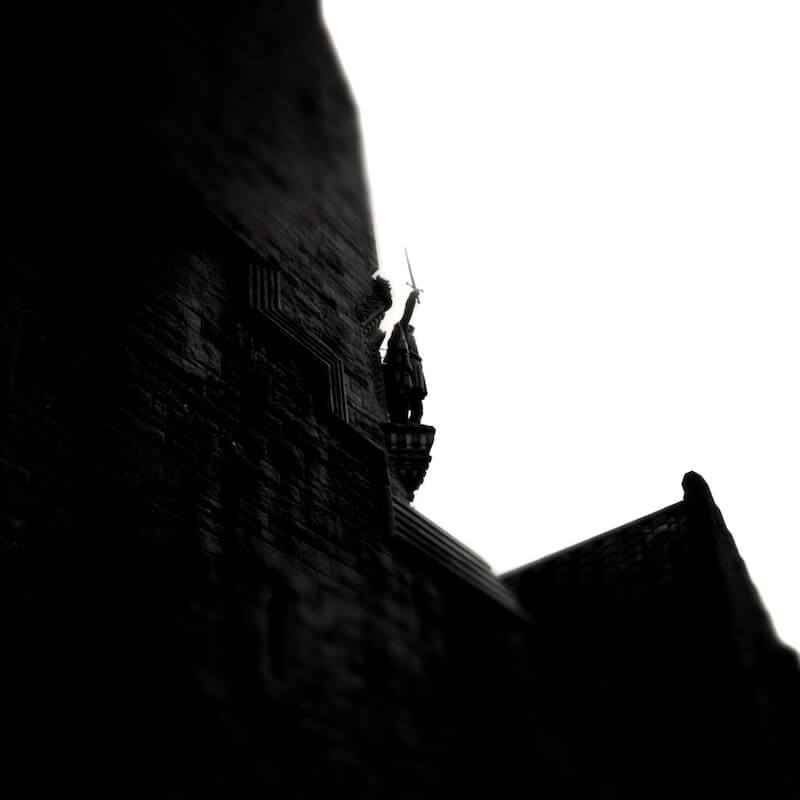
Inside The Tower
The Wallace Monument is thrilling partly because it feels slightly overwhelming.
After the freedom and open air of Dumyat, the narrow spiral staircase feels intensely enclosed. The stone walls close around you as people slowly wind upwards together, counting steps, squeezing past each other and occasionally stopping for breath.
It’s sensory, noisy and surprisingly physical.
If you dislike heights or claustrophobic spaces, you definitely feel the tower as an experience in your body — especially when the wind is battering outside and rushing in through the openings near the top.
And yet, that contrast is part of what makes the visit memorable.
After spending time out in the landscape itself, every step upwards feels connected somehow to the miles already walked outside.
Then suddenly, the staircase releases you back into light, weather and enormous space again.
The View
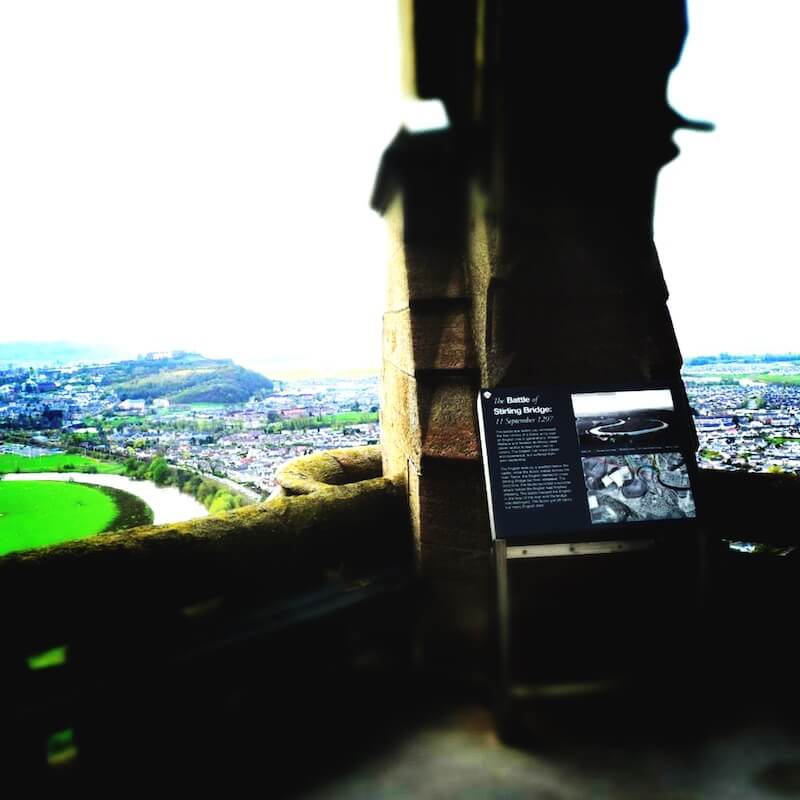
The view from the top is spectacular, but what surprises many visitors most is the weather.
Because the monument stands high above the valley floor, you often find yourself watching clouds move towards you at eye level. Dark shadows travel slowly across the flat Carse below, suddenly throwing whole roads, villages and patches of farmland into shade before sunlight breaks through again somewhere else.
It gives the landscape a sense of movement and scale which is difficult to appreciate from ground level.
By this point in the week, guests often recognise many of the places spread out below us — hills we’ve climbed, roads we’ve travelled, villages we’ve stopped in for coffee or lunch.
And interestingly, we don’t usually talk very much at the top.
The wind is often loud. The height feels dramatic. People naturally spend time simply looking.
Shared experience doesn’t need constant conversation to feel meaningful.
Many of the landmarks visible from the Wallace Monument can also be seen from Stirling Castle on the opposite side of the valley.
If you’re curious about the landscape surrounding Stirling and how we explore it through conversation, history and walking, you can also read:
→ What You Can See From Stirling Castle Walls: Slowing Down And Noticing More

Slow Travel
I suspect many visitors barely notice the busts properly on their first visit.
The tower itself is so sensory and dramatic — the climb, the narrow staircase, the height, the wind and the unfolding landscape — that it’s easy to rush through that quieter hall almost without pausing.
But I’ve always liked that part of the monument.
Halfway up the mountainside, it suddenly becomes something between a museum, a lookout point and a place of reflection. The atmosphere feels oddly timeless there.
The busts widen the story beyond Wallace himself too, reminding visitors that Scotland’s history was shaped not only through battle, but through science, literature, medicine, politics and ideas.
Part of slow travel, for me, is allowing Scotland to move beyond attraction lists and into memory.
Not rushing mechanically through places, but returning to viewpoints and quieter spaces — even a strange room full of stone heads halfway up a monument — because they invite reflection amidst the drama of tourism.
After the climb, wind and spectacle outside, the busts quietly invite you to turn your attention back towards thought, ideas, achievement and what remains of a person after history has finished shaping them.
I’ve written more about that idea here:
→ Experience Scotland without Feeling Like a Tourist
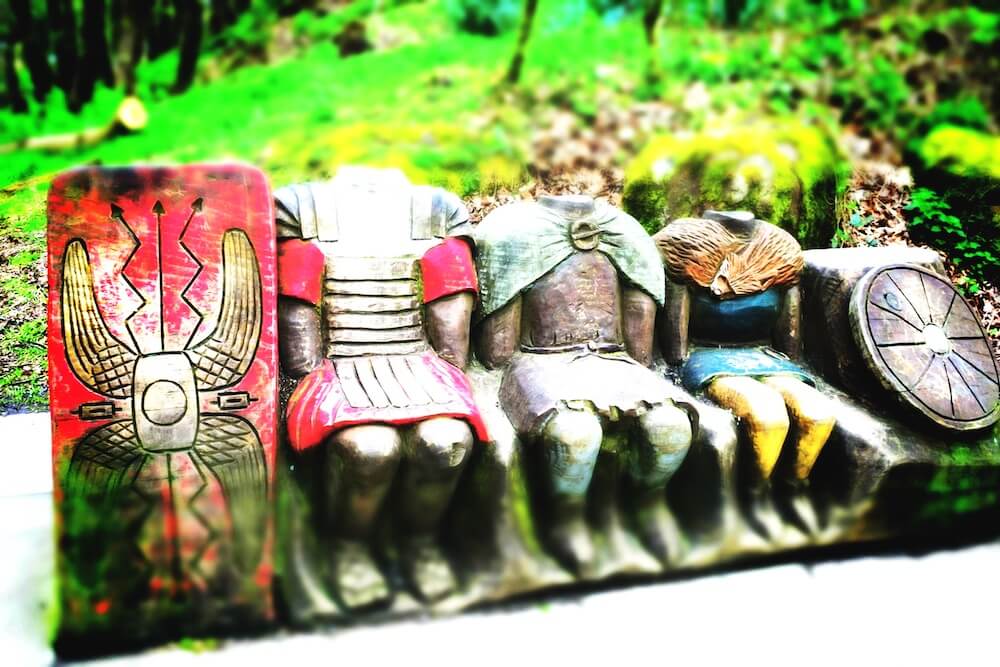
(Don’t lose your head!)
How We Share History
If somebody joins us for two weeks, we’ll often pair a visit to Stirling Castle with a Wallace Monument climb the following week.
Both stands out in the open landscape signatures to Stirling.
The Wallace Monument rises dramatically above the trees and valley floor, while Stirling Castle pulls you inward through royal rooms, courtyards and recreated medieval interiors.
But part of how we share places at Blue Noun is noticing how history is being presented, observing that the Wallace Monument is designed to feel much older than it actually is, while Stirling Castle is filled with recreated historical detail to bring earlier centuries back to life throgh sight, sound and smell.
Those kinds of conversations interest us.
Not just the history itself, but how history is filtered, protected, shaped, dramatised and shared with visitors.
We compare how our own countries present history. We discuss which stories become symbols, how monuments shape national identity, and what feels similar or different to home.
They may begin whilst we climb, but continue through the week, over coffee, or soup, or through visitng less cutated historical sites.
A Place To Reflect
Interestingly, the Wallace Monument isn’t actually one of the activities we use as a formal English coaching experience.
The visit is already thrilling and sensory enough in its own right.
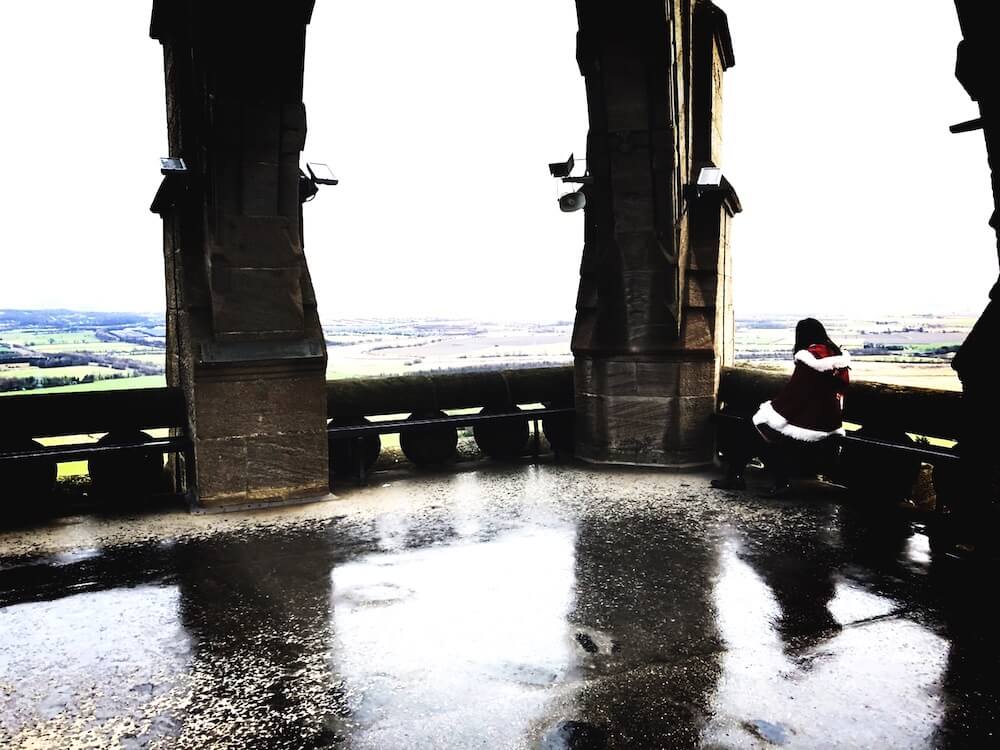
In many ways, I prefer guests to experience it quite privately — climbing at their own pace, looking quietly over the landscape, noticing what feels familiar after a week spent travelling through the region.
Sometimes English develops best like that too.
Not through constant correction or organised exercises, but through reflection and small moments of recognition.
By the time many guests stand at the top of the monument, they’ve already shared conversations across cafés, hillsides, galleries, walks and long car journeys throughout Scotland.
The height and achievement of the climb can almost become a symbol of those conversations — a chance to pause and recognise how much English has already naturally become part of the journey.
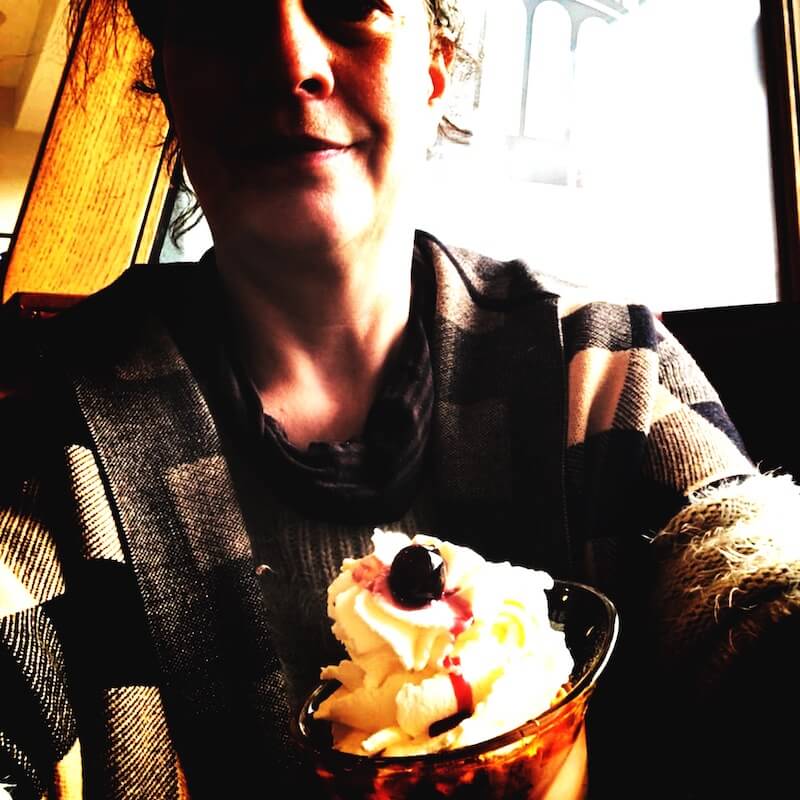
The Ice Cream Afterwards

Seeing Scotland This Way
Interestingly, the Wallace Monument isn’t usually one of the places where we actively coach English conversation.
The experience already feels full enough on its own.
In many ways, I like guests to experience the monument privately — climbing at their own pace, recognising places they’ve come to know during their travels, and allowing the landscape to settle around them a little.
Sometimes English develops best like that too.
Not through constant correction or organised exercises, but through reflection, familiarity and meaningful experience.
By the time many guests stand at the top of the monument, they’ve already shared conversations across cafés, hillsides, galleries, walks and long drives through Scotland.
The height and achievement of the climb can almost become a symbol of those conversations — a moment to pause and recognise how much English has naturally become part of the journey already.
And that’s partly why I believe there’s a middle way between a traditional language course and travelling without using English meaningfully at all.
You don’t necessarily need to hand your whole holiday over to a classroom in order for your English to move forward.
Sometimes adding a single day of shared conversation, walking, storytelling and real-world experience into a wider Scotland trip can completely change how connected you feel to the language.
If that way of exploring Scotland feels closer to how you like to travel, you can explore our one-day English experiences around Stirling here.