

Hogmanay: What are We Celebrating?
Here in Scotland, celebrating New Year – which we call Hogmanay, is a big deal.
You likely already know about the big street parties in Edinburgh and Glasgow, but in fact, there are local celebrations all across Scotland.
This blog is an overview of 5 Scottish New Year Traditions and Celebrations.
Take an immersion into contemporary Scottish culture, not just as it’s told to tourists – but from the heart.
Otherwise known as the Blue Noun way.
#01 Hogmanay Fire Festivals
In the town next to Crieff, there’s the Comrie Flambeaux, believed to have its origins in Pagan fire-cleansing customs, burning torches are carried down the street at midnight.
Many other Scottish towns like Stonehaven for example, have Viking-influenced fire festivals at New Year.
Large public parades include fire shows, like Pyroceltica who lead the festivities on Edinburgh’s Royal Mile.
You don’t need a fire show to contemplate the primal wonder of fire. Light a candle. Pay attention to a burning stove.

Credit: VisitScotland / Kenny Lam
#02 First Footing
Across every community, at Hogmanay there’s an effort to go ‘first footing.’
That’s when you visit neighbours with a bottle of whisky, to share a dram and wish them well for the year ahead.
First footing literally means being the first visitor to traverse their doorway, it’s done to ensure that person’s year begins with generosity and a smile (as well as being a good excuse for a whisky).
As we weave (and wobble) through the streets, we ensure that everyone has had the opportunity of a visit, and a ‘Slainte!‘ (good health).
A Celebration for All (Adults)
No community member is left behind at a Scottish New Year. Even if you don’t know many people in your new community, you can still take part. You will be made to feel welcome.
I know it is unfashionable to mention it, but COVID lockdowns are still a recent memory. We are all so damn grateful to be able to do this carefree social roaming once again.
#03“Redding the House”
Other Scottish New Year traditions involve cleaning your house and cupboards – even raking out your fireplace, so no detritus from the previous year is carried into the next.
#04 Auld Lang Syne
And of course, singing Auld Lang Syne at the midnight bells marking the countdown form the old year into the new.
“Should auld acquaintance be forgot,
and never brought to mind?
Should auld acquaintance be forgot,
and Auld Lang Syne?”
More
Absent Friends
The lyrics to Auld Lang Syne were written by Robert Burns, set to the tune of an even older folk song (of which he was a chronicler and expert).
They fondly remember all the people who you can’t so easily pop across the road and visit.
We’ve all got dear people who we’ll never see again.
Hogmanay is a time to raise a glass to them, knowing wherever they are, they will do the same to you.
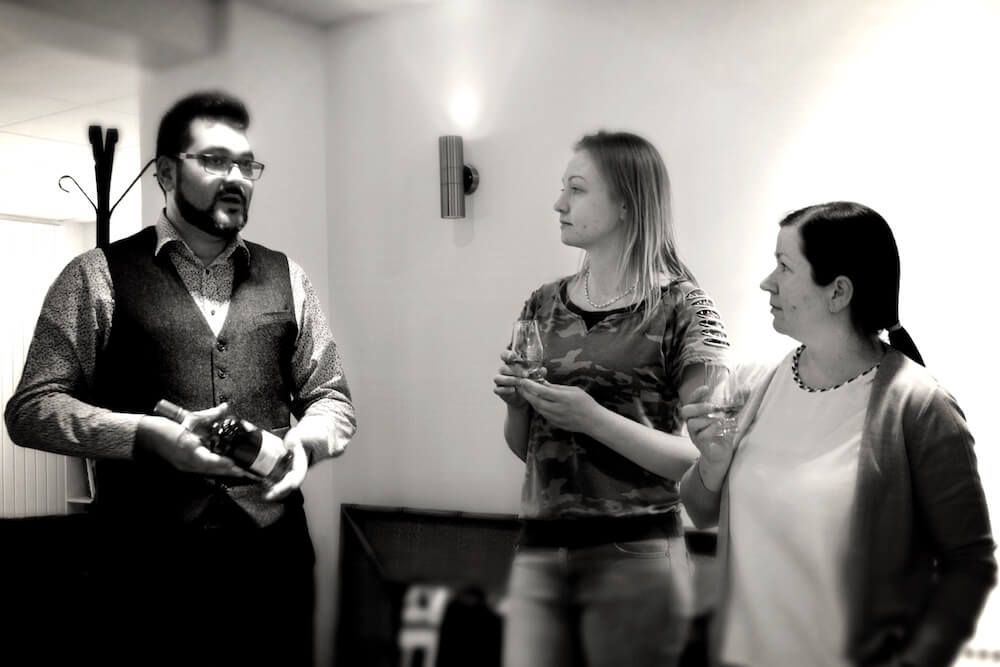
Scottish Traditions Aren’t Pretty
All New Scots making Scotland your home need to know that the history of Scotland is one of forced and economic migration and diaspora.
Much of our traditional songs and crafts are about remembering Scotland and remote Highland ways of life: not just because the landscape is beautiful, and lifestyles ‘simple’ compared to our modern age of busyness and industry, but because they were stolen and families were broken apart.
Landscapes lost forever.
A Poignant Celebration
So while our New Year celebrations (which can last for around a week) are about striding into the new year, they are also built around making sure our immediate community is well around us, and no one, past or present is forgotten.
New Year flavours, songs and traditions are defiantly remembered – despite loss, invasion, landgrabs, economic/forced migration, church suppression of ‘Paganism’, and English rule’s attempts to crush and eradicate our Scots language.
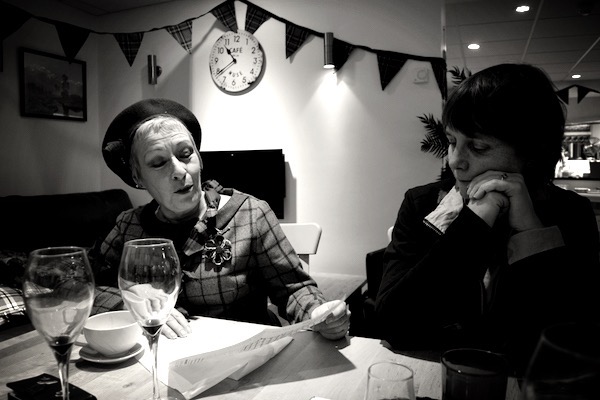
Shared Culture
Auld Lang Syne is popular the world over because, in our modern, migratory world, we all have lost people.
I think this national wound is why Scotland welcomes displaced ‘New Scots’ differently from other parts of the UK (I know that being less crowded helps too). We know their hurt.
Somehow, as a nation we can imagine a positive future enriched by new influences and cultures. We tend not to feel challenged by change, or that our culture will be ‘diluted’.
Scottish culture is lovely and rich and irrepressible.
We’re happy to share it with you.
#05 It's Not Just One Evening!
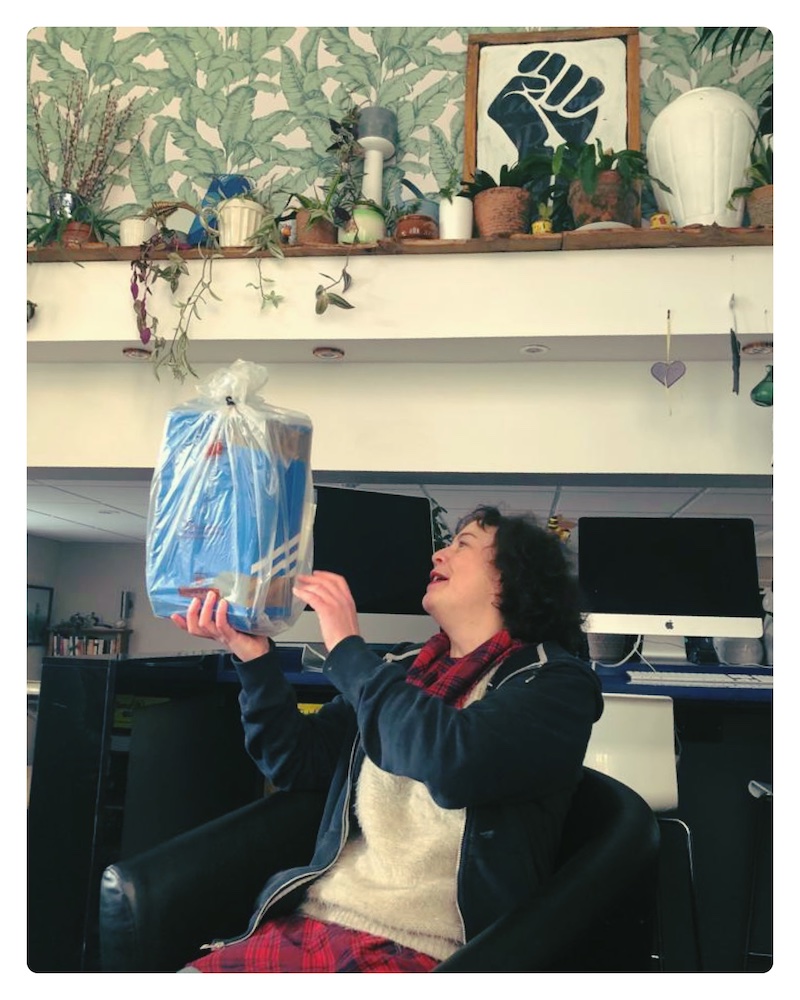
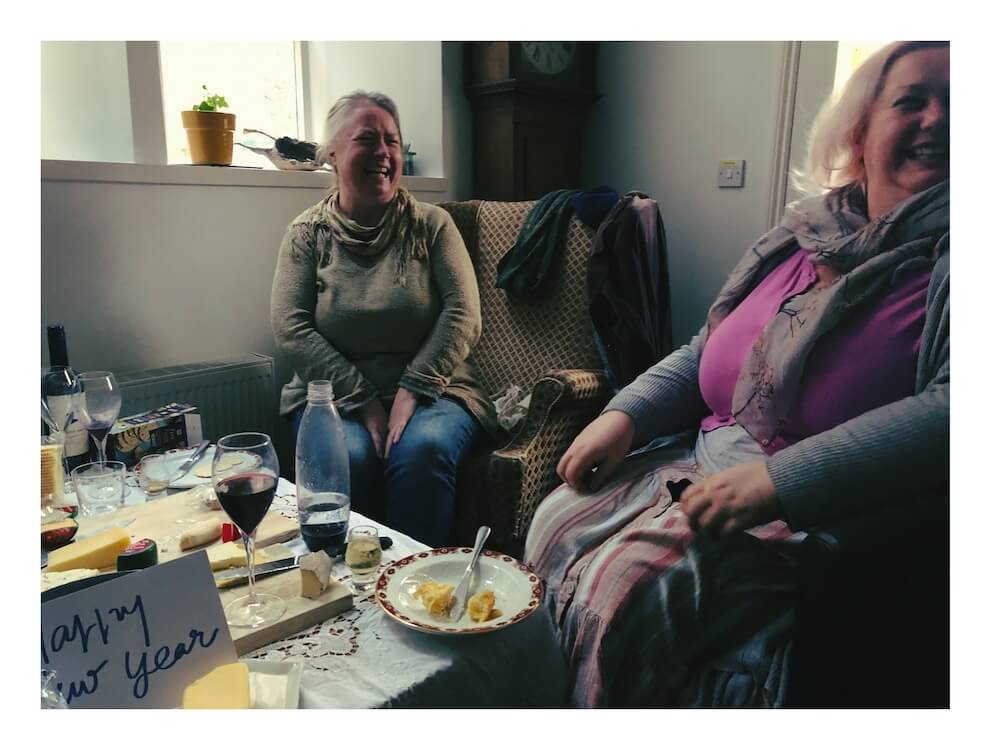
Yesterday (07th January) I had yet another New Year’s celebration (hopefully the last for this season – it’s starting to hurt!), this time aided by a parcel of French cheese sent by some of my own, dearest ‘auld acquaintances.’
I shared the treat with friends of different nationalities, as well as my favourite American cornbread recipe – right here in my language ‘hub’ where we share food, culture and friendship to give you rich, exciting English-speaking practice – built around exploring contemporary Scottish culture.
English Immersion Holidays
Many adults come to us having only ever learned English in classrooms.
They don’t lack ability — they lack space, confidence, and chances to use the English they already have.
English doesn’t need more pressure to improve.
It needs real situations, shared experiences, and permission to be imperfect.
These holidays are about letting your English back into your life — naturally, gently, and with enjoyment.
Love Scotland, but think the Scottish accent rules it out for an English language holiday? It might be time to challenge that assumption. Scottish accents can stretch your listening skills, but learning to navigate accent diversity is also part of becoming confident in real-world English.
→Read: What About the Scottish Accent on an English Language Holiday?
Choose Cultural Immersion for Language Learning
Don’t just see Scotland.
Experience it — and notice how language shows up when you do.
Further Information
If you’re curious what an Edinburgh day on our holidays can look like, you can read more here:
→ Will I Visit Edinburgh on My English Language Holiday in Scotland?

Successful language travel needs guidance, structure, and curation to convert moments into language transformation.
To demonstrate this, we look at one simple whisky tasting, experienced in two different ways, one with language coaching support and one without.
→ Language Coaching is Key to Successful Language Progress On Holiday
Where History Becomes Something You Can Talk About
If you’re interested in the stories behind places, this guide shares how we use Scottish history to bring context and meaning into the experience.
English Help
Help my English
Start here for help with English when you feel stuck or frustrated.
Reset, regroup, and find your direction — without pressure.