
Immersion English holidays are often described as the fastest, most natural way to learn a language. For intermediate and advanced learners, that’s often true. Being surrounded by English can build confidence, deepen understanding, and help language feel part of everyday life.
For beginners, however, immersion is frequently misunderstood.
Without careful design, being surrounded by English isn’t immersive — it’s overwhelming. Language becomes noise, not learning. That’s not a failure of the learner, and it’s not about motivation or intelligence. It’s a question of structure.
This article explains why immersion doesn’t automatically work for beginners, what beginners actually need in order to learn well, and how immersion-style holidays must be adapted if they’re going to support early-stage English learners rather than exhaust them.

It’s All in the Design
Being surrounded by a language does not automatically lead to learning — especially at beginner level. Unless a learner already has some underlying grammar structures in place, exposure alone rarely results in progress.
That said, an immersion-style holiday can work well for beginners — if it is designed specifically for beginner needs.
At its best, an immersion setting provides:
-
a dedicated time and space for learning English
-
rich cultural context through food, music, and shared experiences
-
access to a wide range of teaching resources, including books, workshops, demonstrations, and different teaching voices
Enjoyable activities such as sightseeing and shared social time still have a place for beginners. The difference is that these experiences need to support learning — building confidence and connection to the language — rather than replacing structured language work.

Comfort Is Part of Learning
A lower language level does not mean accepting discomfort, pressure, or being treated as part of a system rather than a person.
For beginners, learning works best when the environment feels safe, humane, and designed around how early-stage language development actually happens. That isn’t about comfort for comfort’s sake — it’s about attention, comprehension, and trust.
An effective immersion experience for beginners depends on intelligent design, not intensity. The sections below outline the practical elements that make early-stage learning supportive rather than overwhelming.
→ Small Cat, Big Picture: Your Right to Comfort in Language Learning

Beginners Need a Different Learning Environment
Advanced learners can build confidence and fluency through informal conversation in almost any setting. For beginners, the learning environment itself becomes critical.
Early-stage learners need to see how language is formed and used. Lip-reading, facial cues, and clear articulation all support comprehension in ways that casual conversation cannot. They also need access to books, worksheets, and visual materials — which means time at a table, space to make notes, and moments of focused attention.
Most importantly, beginners require sustained attention on the language they are producing. Their progress depends on careful listening, clarification, and support — something that isn’t possible when learning is squeezed into distracted or mobile situations.
For beginners, effective learning happens in settings designed for focus, visibility, and care.

Does This Mean No Language Excursions for Beginners?
Not at all.
Language excursions can be a valuable supplement to structured learning for beginners — when they are used intentionally.
The key difference at beginner level is that immersion activities need redesigning. Time and energy are limited, and learning needs to be anchored to clear, tangible outcomes rather than general exposure. What benefits an advanced learner seeking confidence or nuance does not serve a beginner in the same way.
For this reason, longer day trips are often better treated as rest or cultural days, with more learning time focused on the local area. Staying closer to base allows beginners to practise new language, revisit it, and recover energy — without sacrificing enjoyment or a sense of place.

Socialising
Social interaction is an important part of any immersion-style English holiday, including for beginners. The form it takes, however, matters.
For early-stage learners, freeform, unscripted conversation often moves too quickly to be useful. Instead, shared activities such as cooking or playing board games provide a more supportive social context. They naturally involve repetition, predictable language, and shared focus, all of which help beginners participate meaningfully without being overwhelmed.
In these settings, language is used purposefully and repeatedly, allowing beginners to practise social English while staying connected to the group.

Learning Through Peer Interaction
At beginner level, learners do not benefit exclusively from spending time with advanced speakers or first-language users of English.
Spending time with other English learners — particularly those with a slightly higher level — can be both encouraging and effective. Their language is more comprehensible, their pace more manageable, and their successes easier to relate to.
Beginners also learn indirectly through listening to others receive clarification or correction. This shared learning environment reduces intensity and pressure, making speaking feel more achievable and less intimidating.
Lots of Talking
Unlike other levels, beginners do not need to spend time only with advanced learners, or L1 speakers.
They benefit from spending time with other English learners with a slightly better English level because it’s encouraging. The other learners will be more comprehensible to them.
Beginner learners will learn through the error correction of the others, and it is overall less intensive (and less intimidating).
Books and Worksheets as Temporary Support
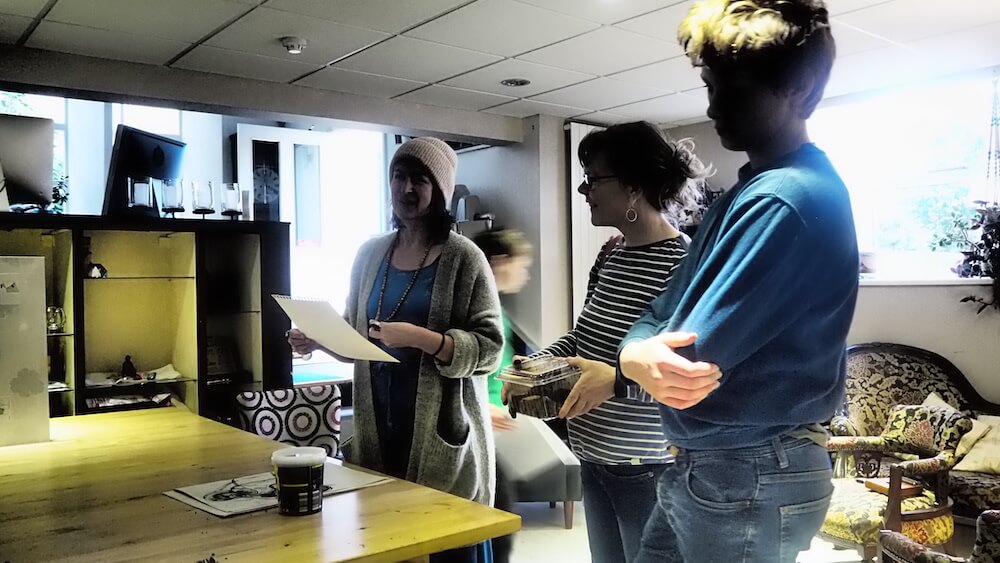
Most of our work now relies very little on published ELT books or worksheets. For many learners, especially at intermediate level and above, language develops best through conversation, experience, and reflection rather than structured materials.
For beginners, however, some temporary scaffolding is often necessary.
Early-stage learners benefit from having a visible reference for the language they are encountering — something that helps them recognise patterns, revisit new forms, and reduce cognitive load. In traditional beginner settings, this can mean a higher proportion of structured resources than we would normally use.
That support does not need to look like a classroom. Materials can be used lightly and selectively — to prepare for an activity, to reflect afterwards, or to stabilise new language — before returning to more experiential learning.

Rhythm and Cognitive Load
Beginners work hard for their progress. There is a real limit to how much new language the brain can process at one time, particularly at early stages of learning.
New language needs to be introduced, practised, revisited, rested, and then revisited again. This cyclical process is essential, but it can also be tiring and, at times, frustrating.
For this reason, beginner learning benefits from a different rhythm. Sessions need to be shorter, with more frequent pauses to allow consolidation. Breaks are not a pause in learning, but part of it — providing time for processing, recovery, and reorientation.
These breaks may include silence, informal conversation, visual input, or quiet interaction with books or images. What matters is that the pace supports attention and retention rather than pushing for constant exposure.
Visual and Live Drawing Support
For beginners, visual support plays a crucial role in comprehension and confidence. Spoken language alone often moves too quickly at early stages, while images slow things down and make meaning visible.
Live drawing can be particularly effective. Sketching ideas as they emerge helps illustrate concepts, clarify stories, and check understanding in real time. For beginners, drawing becomes a way to personalise language, organise new ideas, and express meaning even when words are still limited.
Visual work also supports regulation and focus. Shifting briefly from speaking to drawing gives the brain a moment to reset, reducing fatigue and helping learners re-engage with language more calmly.
Used this way, drawing is not an add-on or creative extra. It is a practical tool for comprehension, memory, and emotional ease — especially at the beginning stages of learning.
Learning with Different Teaching Voices
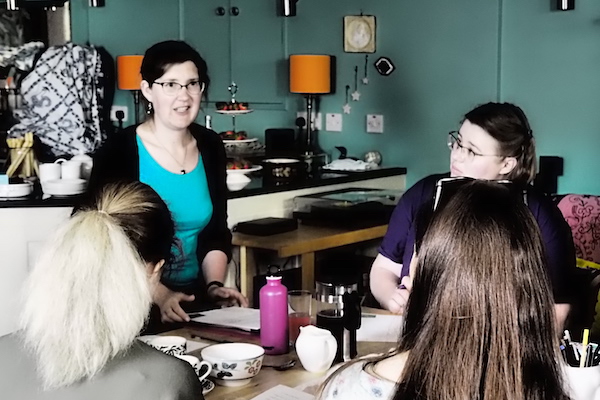
For beginners, working with more than one teaching voice can be helpful when it is introduced thoughtfully. Hearing the same language explained or modelled in slightly different ways supports understanding and reduces the pressure of getting everything “right” first time.
A varied teaching team also gives learners opportunities to revisit familiar language without the emotional weight of repeating the same mistake to the same person. This can make revision feel lighter and less personal, while still being effective.
When well balanced, different teaching styles reinforce learning rather than fragment it, making progress feel more natural and less intensive.
Visual, Tactile, and Varied Learning
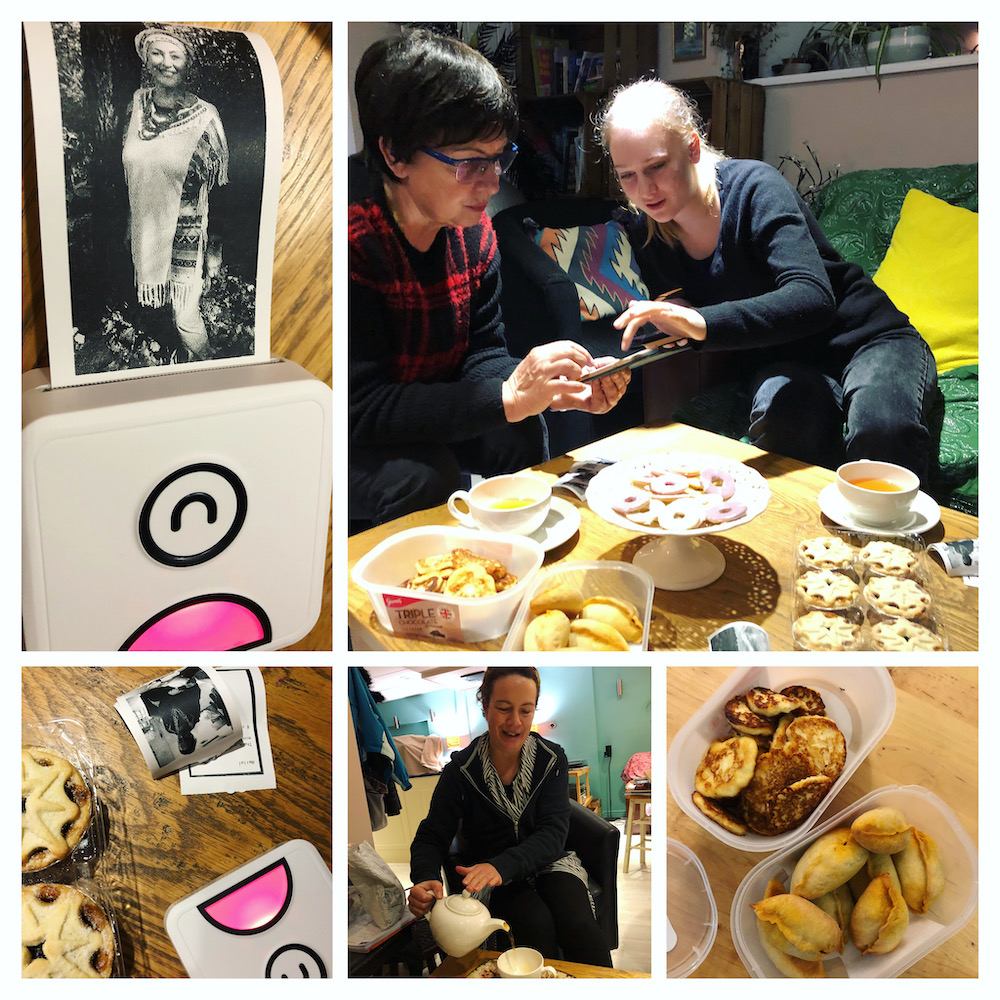
Visual input, tactile materials, and changes of scene play an important role in beginner learning. They help anchor new language, reduce cognitive load, and keep attention engaged without relying solely on verbal explanation.
These elements can and should be included in beginner workshops. The key is how they are used. In some cases, they support learning directly through demonstration, shared focus, or physical interaction. In others, they work best as part of the rhythm of the day — providing contrast, rest, and recovery rather than acting as teaching moments in their own right.
Used thoughtfully, these experiences help beginners build trust in their ability to use English, develop a positive emotional relationship with the language, and lay foundations for long-term learning.
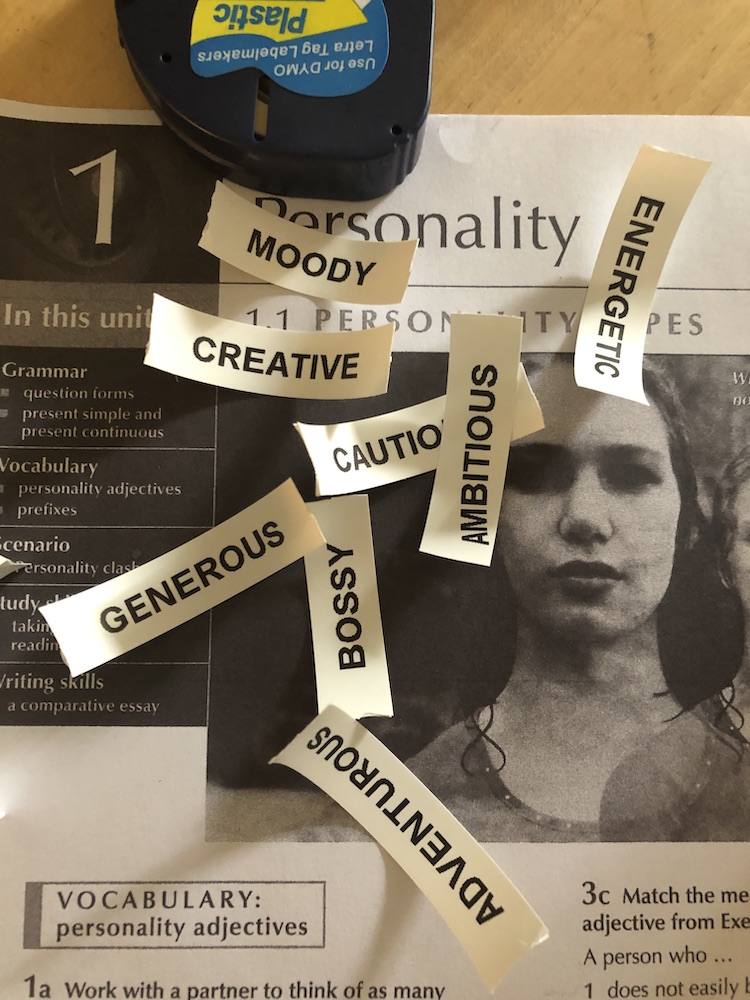
Beginners must be supported with pedagogic, workshop-style English learning, rather than being “immersed” and expected to swim.
Ruth Pringle, 2024
A Careful Approach to Beginner Immersion
Beginners are at the very start of their relationship with English. Progress at this stage depends less on exposure and more on design — on structure, rhythm, attention, and emotional safety.
Immersion can be a powerful context for learning, but for beginners it only works when it is adapted into workshop-style learning rather than relying on constant exposure. Without that care, immersion risks turning language into noise rather than meaning.
For this reason, beginners should be cautious of immersion programmes that place them into mixed-level groups without significant adaptation. What supports confidence and fluency for more experienced speakers can easily overwhelm someone at the beginning.
This is also why we don’t mix beginners into mixed-level immersion groups, and why beginner immersion isn’t something we schedule routinely. When early-stage learning works well, it’s because the pace, environment, and people are right — not because a place needs to be filled.
When those conditions are met, immersion can be an encouraging and memorable way to begin learning English. When they are not, it can undermine confidence before learning has had a chance to take root.
Further Information
English Help
Help my English
Start here for help with English when you feel stuck or frustrated.
Reset, regroup, and find your direction — without pressure.
Help Choosing a Language Holiday
Choosing the right English language holiday can be confusing.
Check out our guides to help you ask better questions and invest well.