
How Blue Noun Shares English with Your Family
How we ensure learning feels like a holiday

If you’re considering a family English holiday, you’re probably trying to picture how it would actually work — for you and for your children.
This page will give you a clear sense of how a week is shaped here, and help you explore the parts that matter most to your family.
There isn’t one fixed version of a week, because all families need and enjoy different things.
This page shares the way it comes together: through shared experiences, time outdoors, creative work, and spontaneous, everyday moments where English becomes part of real life — and, in doing so, part of your family’s story.
An Arc, Not a Schedule
Days don’t follow a fixed timetable, but they do have a rhythm.
There is time to arrive into the day, rather than starting abruptly.
From there, we move into something shared — a creative session, a walk, or a visit — before returning again to a slower pace.
Some days feel fuller. Others are deliberately lighter.
Children move in and out of this rhythm in their own way.
Nothing is forced, and there is space for different energy levels within the same family.
Over the course of the week, this balance allows English to settle in naturally — not as something to focus on, but as something that becomes part of what you’re doing together.
Explore how this works in practice
The week comes together through a mix of shared experiences. You can explore some of them below, depending on what interests your family.
Creative Work
Creative activities give families a way to use English without pressure — through making, describing, and sharing ideas.
→ Why Zime-Making is Good for English Language Practice
→ Songwriting workshop

Days Out
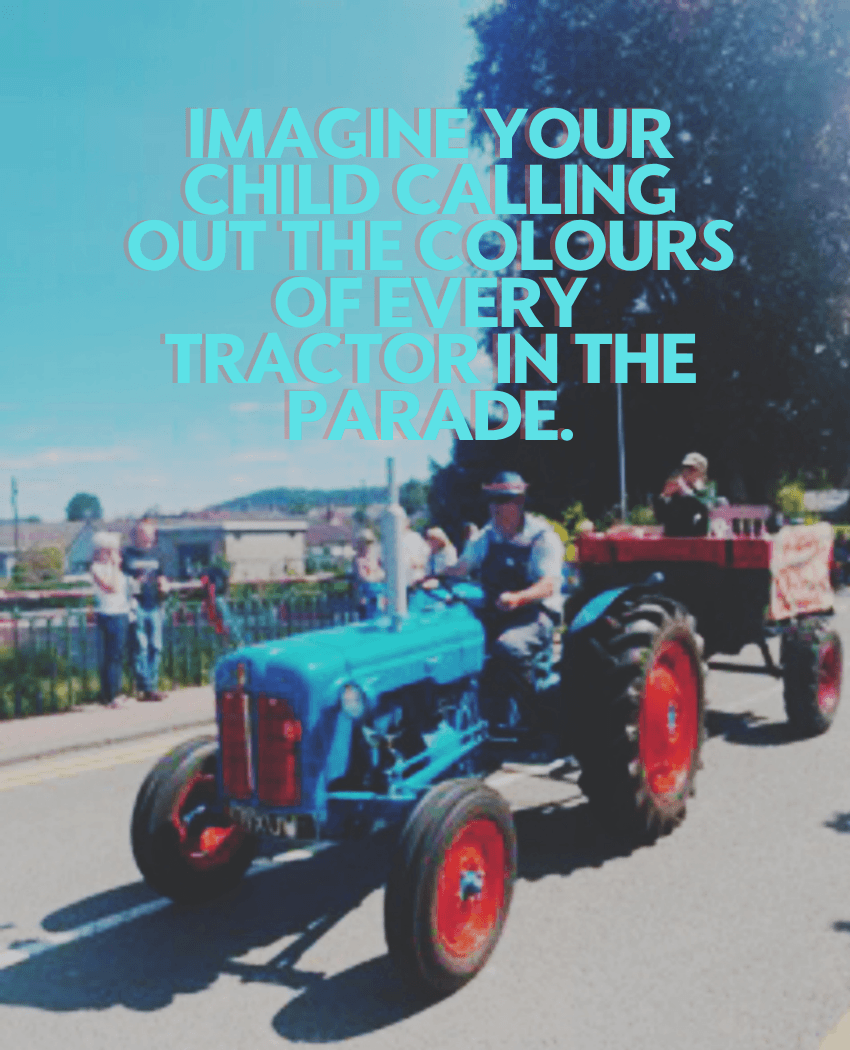
Some days take us out to explore places nearby — simple, memorable experiences that give English a clear context.
Balancing Your Week
Not every family does everything — the week is shaped around who is here, local (and national) festivals and events, and what suits you best.
→ Small Moments, Big Experiences: The Balance of Scale that Shapes our Holidays
Time Outdoors
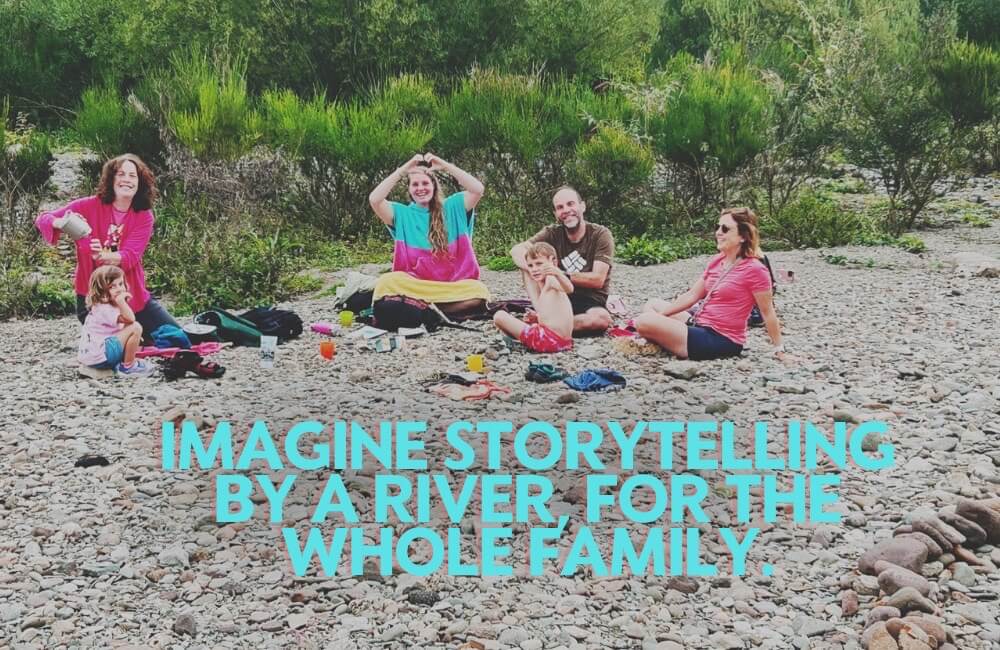
We know that sometimes children just need time with a river or a stick. Being outside plays a huge role in the week, and we know the best places to go.
The pace can shift from family to family. Some enjoy longer walks and time out exploring, while others prefer shorter outings, quieter moments, or simply being outside without a plan.
Crieff itself makes this possible. It has a strong village feel, with everything close by and easy to return to — including MacRosty Park, a large Victorian park with space to wander, play, or sketch. There are also rivers and lochs nearby for swimming.
Just a few miles beyond the town, the landscape opens out quickly. A short drive brings you into open hills and quieter ground, where it’s possible to walk in different directions depending on energy, weather, and what the day calls for.
This means outdoor time can be shaped as you go — something more expansive when it suits, or something closer and gentler when it doesn’t.
Time at the Hub
Some of the most important moments happen here.
Meals, games, conversation, and quiet time — this is where English settles in, without needing to be the focus.

A Real Example
If you’d like to see how this comes together across a full week, this page shares one family’s experience in more detail.
If you’re thinking about your own professional English — and how to develop it without stepping away from your family — you can read more here:
→ Can I Work on Professional English During a Family Holiday?
Let’s Talk About Your Family
If you’re considering a Blue Noun family holiday, the most helpful next step is a short conversation.
You can tell me about your children, what they enjoy, and what you’re hoping for from your time here.
From there, we can shape a week that feels right for you.
