Helping People Know How to Be in Nature
Tucked into woodland in Perthshire, Do It Outdoors feels less like an activity centre and more like someone’s ongoing conversation with the landscape.
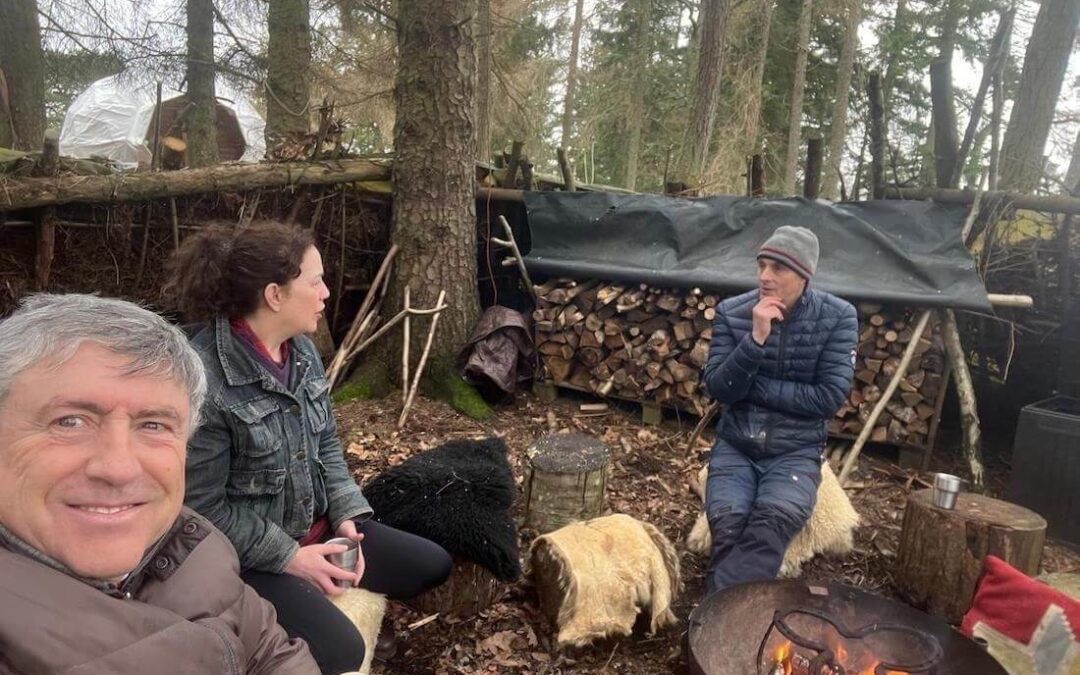
At the end of winter, I went there with one of my guests from Andorra, a farmer, as part of a wider week of conversations about land use in Scotland.
We weren’t there as tourists exactly. The visit was really about meeting Iain McFarlane properly, seeing the space he has built, sharing how our businesses work, and exploring whether there might be ways for Blue Noun and Do It Outdoors to support each other in future.
That context shaped the afternoon.
R. spends his life outdoors already. I wondered whether he might find parts of the set-up a bit tame compared to the realities of farming life. But that isn’t really what Iain has built. The woodland doesn’t feel performative or artificially “wild”. It feels curated in the best sense of the word: arranged carefully enough that people are invited to participate rather than simply pass through.
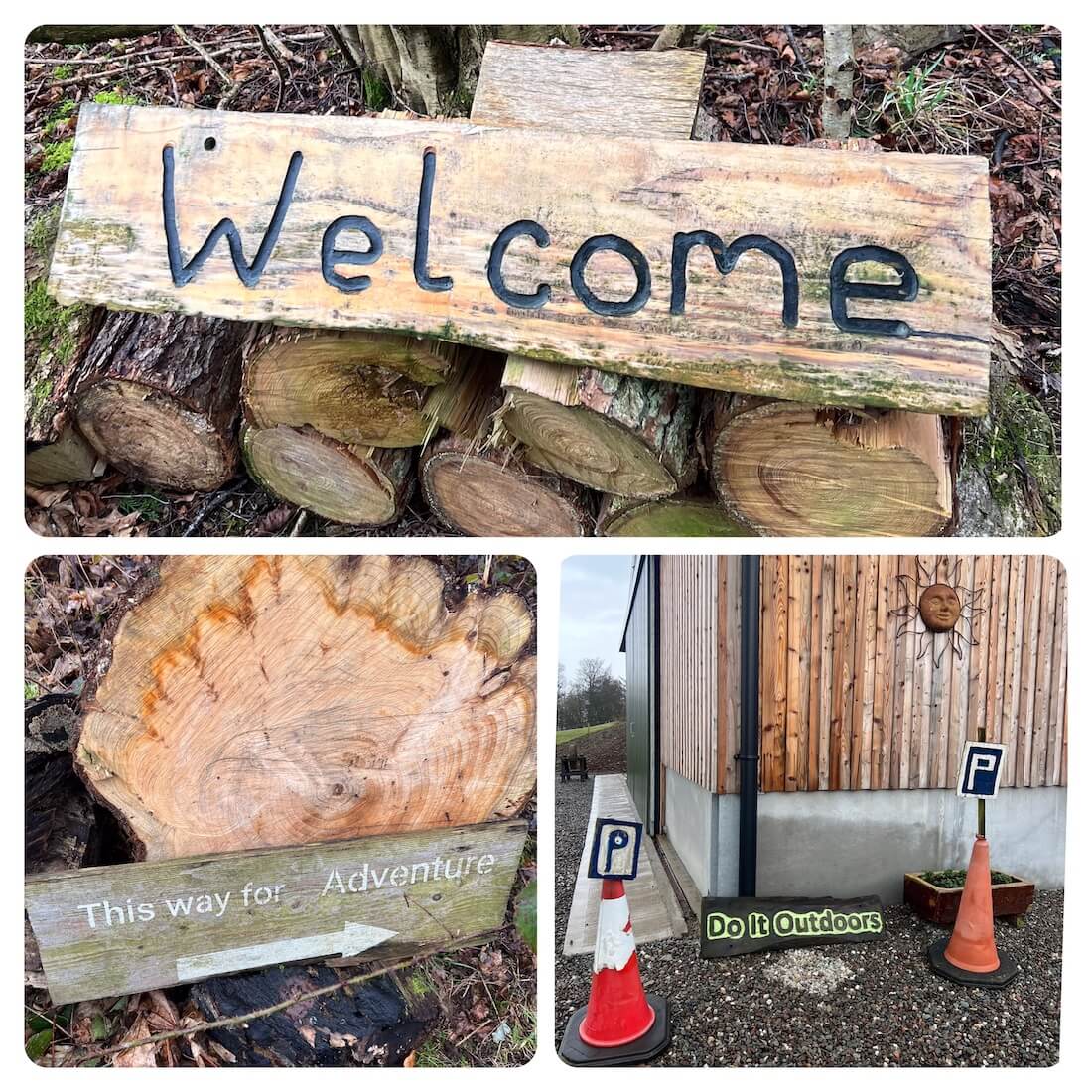
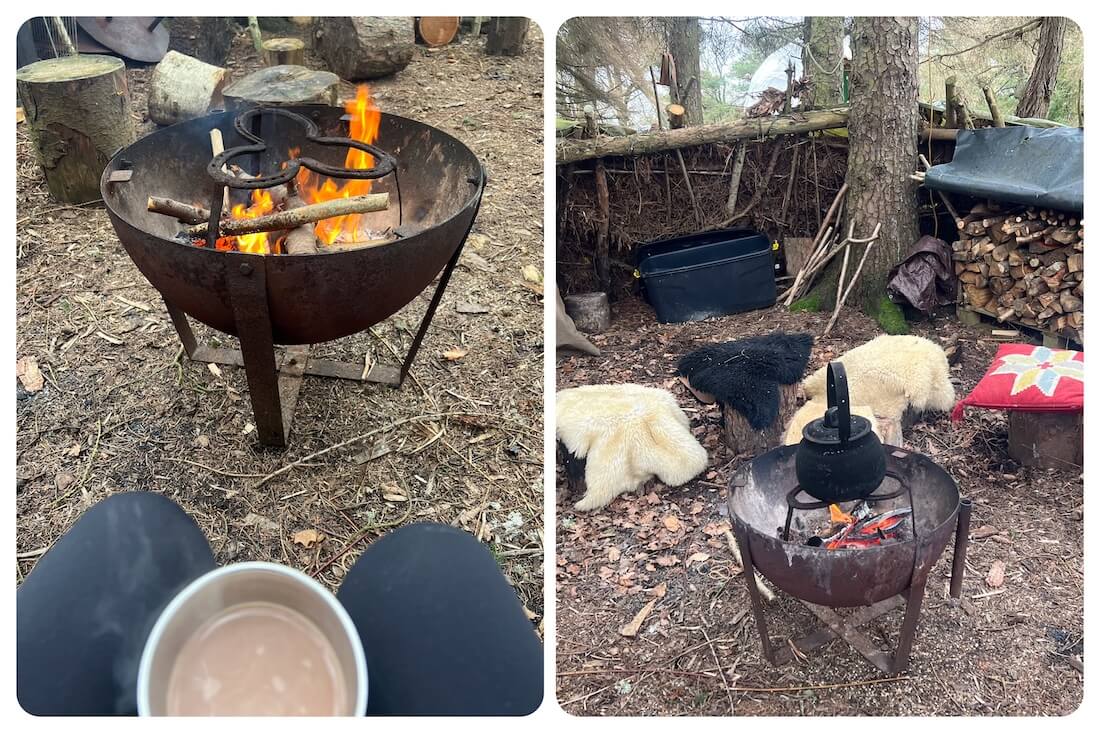
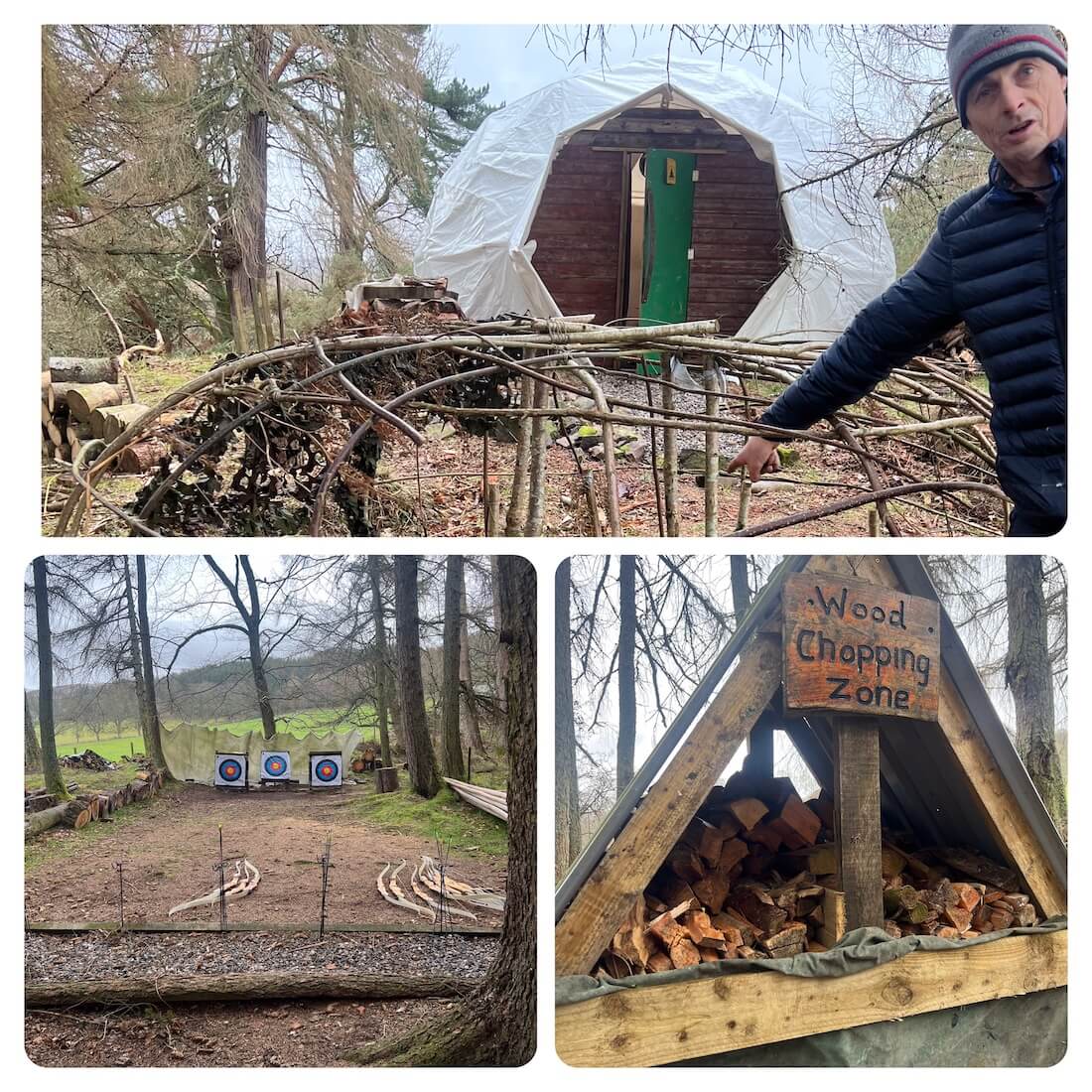
You follow hand-painted signs through the trees until the space opens out into fireside seating, a yurt for bad weather, naturally made targets, boxes of axes, handmade arrows and kettles blackened by smoke. There are logs draped in sheep skins around the fire and all kinds of details showing what woodcraft can become when somebody has spent years slowly building knowledge, habits and infrastructure around it.
At one point, Iain showed us an enormous log attached to a winch system running uphill through the trees.
“Kids love dragging that thing up the hill for some reason,” he laughed.
I understood immediately.
I’ve watched my own girl spend hours redirecting water through parks or engineering complicated routes for sand and sticks. There’s something deeply satisfying about interacting physically with the world in this way, especially now that so much of modern life happens through screens, packaging, meetings and smooth surfaces.
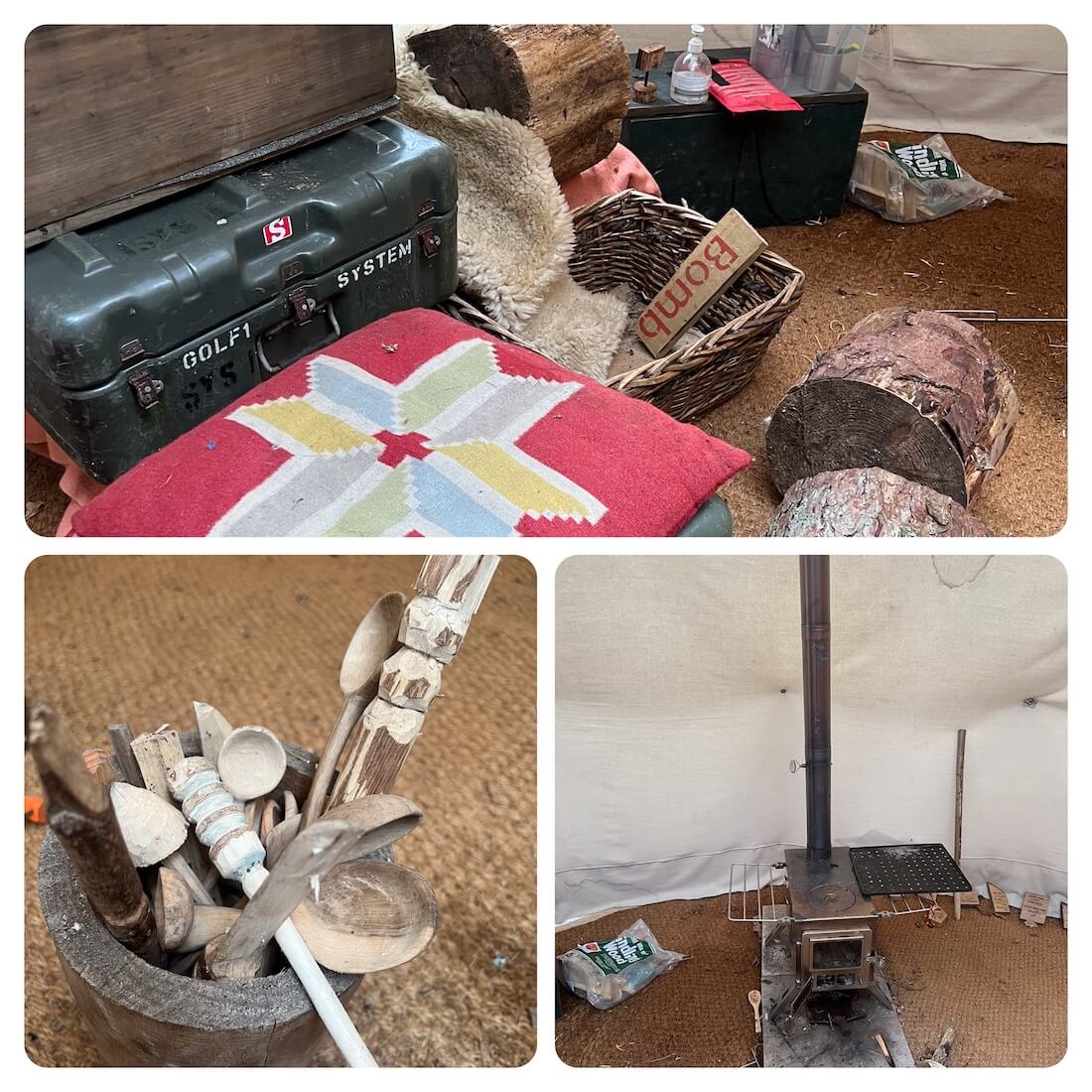
At Do It Outdoors, a plastic packet would almost look out of place.
That struck me because Perthshire contains all kinds of tourism layered closely together. In the same week, visitors might spend hundreds of pounds a night in luxury hotels before heading into woodland to carve spoons, forage, fish or sit around a fire drinking hot chocolate from blackened kettles.
I’m not especially interested in judging those contrasts. I’m interested in the fact they coexist here at all — that this small part of Scotland can hold such different ways of experiencing landscape side by side.
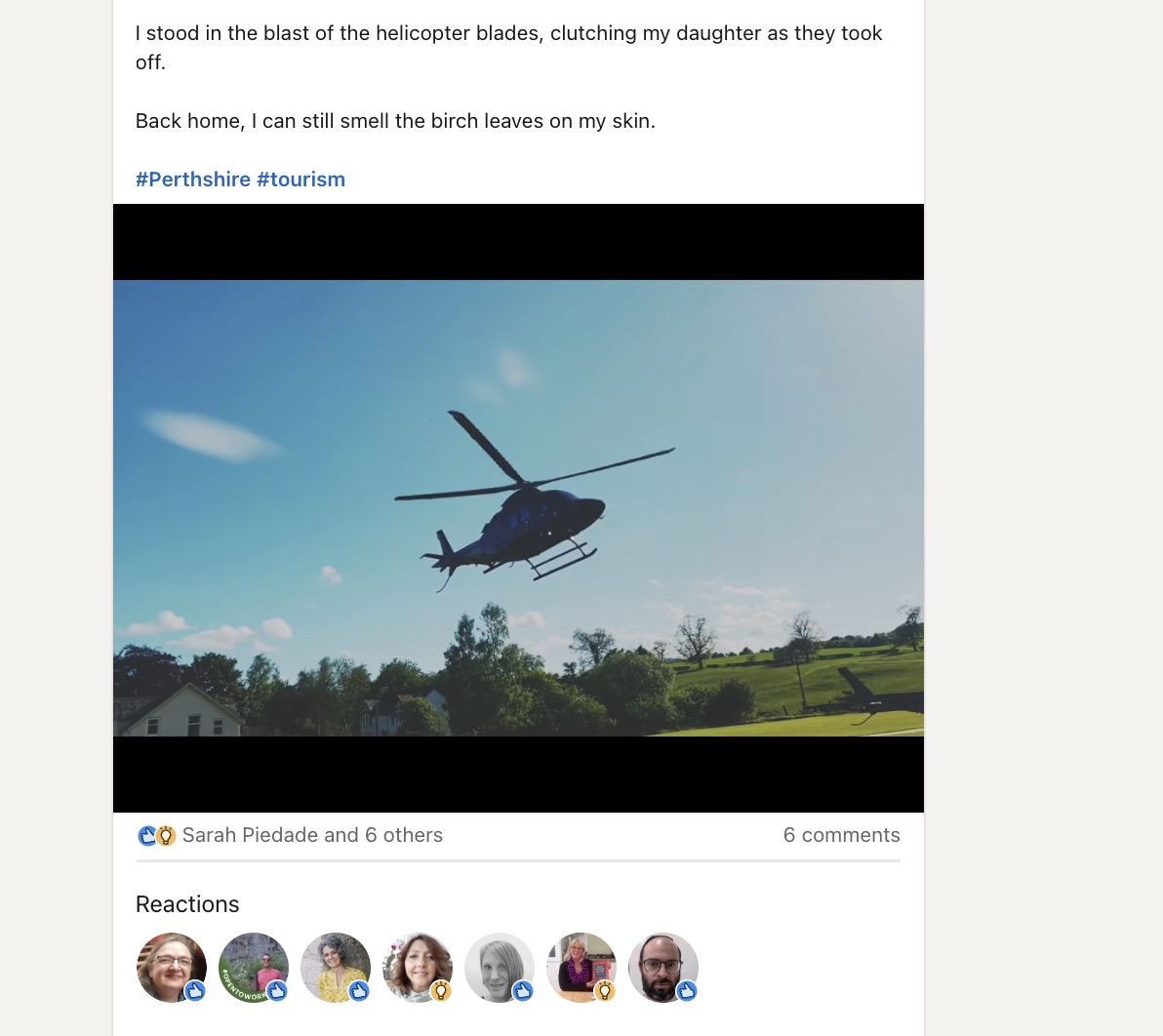
This LinkedIn discussion explored slow and fast tourism in Perthshire and their competing relationships with landscape.
Talking to Iain, it became clear that his work sits across many of these layers too. He works with tourists, families, corporate groups and people dealing with health challenges. The tourism side of the business helps support other kinds of work that matter deeply to him, although none of it felt separated neatly into categories. It felt interconnected, practical and lived-in.
The fire became the centre of most of our conversation.
We talked about tourism, land use, hospitality, outdoor culture and the strange ways people access nature now.
I’ve often noticed how quickly fires change conversations during English holidays. People stop rushing. Silences become comfortable. Answers become stories. Around a fire, conversation seems to move away from performance and back towards reflection.
That matters for Blue Noun too.
At Blue Noun, we don’t teach English around immersion activities in ways you expect. It’s about trying new things and getting curious.
What interests me more is what happens to people when they enter unfamiliar but meaningful situations together — when attention shifts outward onto landscape, tools, weather, food, stories or shared tasks.
Language tends to emerge naturally there because people become genuinely curious, observant and engaged.
And I think that’s partly why spaces like Do It Outdoors matter.
Not because they offer adrenaline or survival fantasy, but because they create structured ways back into participation.
For many people now, spending meaningful time outdoors is no longer automatic knowledge. It’s something we have to slowly relearn. How to sit outside comfortably. How to light fires. How to move through woodland. How to pay attention.
I left feeling grateful that Perthshire still contains people quietly building these kinds of spaces and businesses — not simply using the landscape as backdrop, but creating relationships with it, and helping others do the same.
HOW OUR ACTIVITIES HELP
An Afternoon With Do it Outdoors
⬛ Supports mental and physical well-being
⚪ Benefits our local community
⚪ Helps preserve craft skills, historic machinery and monuments
⬛ Supports Scottish microbusinesses or eco-agriculture
⬛ Fosters diverse conversation opportunities
⬛ Supports cultural skills and traditions
⚪ Supports arts and artists
⬛ Explores Scottish wildlife in non-invasive ways
⬛ Introduces guests to Scottish culture
⚪ Contributes financially to preserving culture
⬛ Creates opportunities for fun and feeling good in English
⬛ Clear contribution
🔲 Partial contribution
⚪ Not a priority of this activity
⭕ Works against this criterion
Each activity contributes in different ways, with the bigger picture emerging across the whole holiday.