

Holistic language learning means treating the whole person, not just their English.
It isn’t about ‘curing’ problematic parts of someone’s language skills. It’s about understanding the wider picture: their confidence, experiences, interests, opportunities, energy, goals, and the role they want English to play in their life.
Sometimes that also means changing the way we talk about English itself.
Instead of assuming someone’s English is broken and needs fixing, we ask a different question:
What does this person’s English need right now?
At Blue Noun, it’s our job to discover the combination of experiences, support and challenges that helps our guests start talking, keep learning and feel good about their English.
Because what people believe about their English shapes what they dare to do with it.
A healthier relationship with English doesn’t just change how people learn. It changes the lives they’re willing to build with it.
It’s Easy to Understand if you Compare it to Holistic Medicine
If you had a headache regularly, would you just keep taking painkillers or try to find the root cause? It may stem from your liver, posture, sleep quality, eyesight, screen time, stress, and diet. The ‘cure’ isn’t the painkillers, it’s finding out that underlying information which is unique to you, about what’s wrong.
This is a holistic ‘whole body’ medical approach: accepting that the problem isn’t just your head, but that there’s something unhealthy which needs fixing – and then making those changes.
A headache is quite an obvious medical example. Now think about bad skin, weight gain, fatigue. How many products offer us ‘cures’ for these things, without ever addressing underlying problems? How much money is made from masking symptoms rather than finding cures?

Problematic Language Learning
It’s easy to look for quick fixes in language learning too. Crash courses, Instagram hacks and miracle methods promise fast results. Some are genuinely useful, others are little more than snake oil, but few ask a bigger question:
Why has English started to feel so difficult in the first place?
Many learners quietly settle into the belief that they’re “not good at English” and begin organising their lives around avoiding situations where they might have to use it.
At Blue Noun, we believe how you feel about your English shapes what you’re willing to do with it. That’s why caring for your relationship with English isn’t a distraction from learning—it’s part of the learning itself.
→ Confident English: Why Feeling Good Speaking Matters More Than Progress
English doesn’t just need to become more effective. It needs to become healthier.
Sometimes the most helpful thing isn’t another grammar exercise or another list of vocabulary. Sometimes it’s understanding why English has started to feel so heavy—and discovering that it doesn’t have to stay that way.
That’s why we created Alone with English. It’s a free podcast for people who have worked hard at English but have started to feel frustrated, lonely or disconnected from the language. More than reassurance, it’s a roadmap towards a healthier relationship with English.
If you’re looking for practical ways to build a healthier relationship with English, you’ll also find plenty of ideas on our English Learner Support page. It’s full of simple tips, encouragement and mindset shifts to help English feel lighter, more enjoyable and less overwhelming.
Our English Holidays Take a Holistic Approach
A holistic approach doesn’t mean doing everything. It means choosing the right support for the person in front of us.
One guest might benefit from focused pronunciation coaching before an important presentation.
Another might need a week without worrying about every mistake they make.
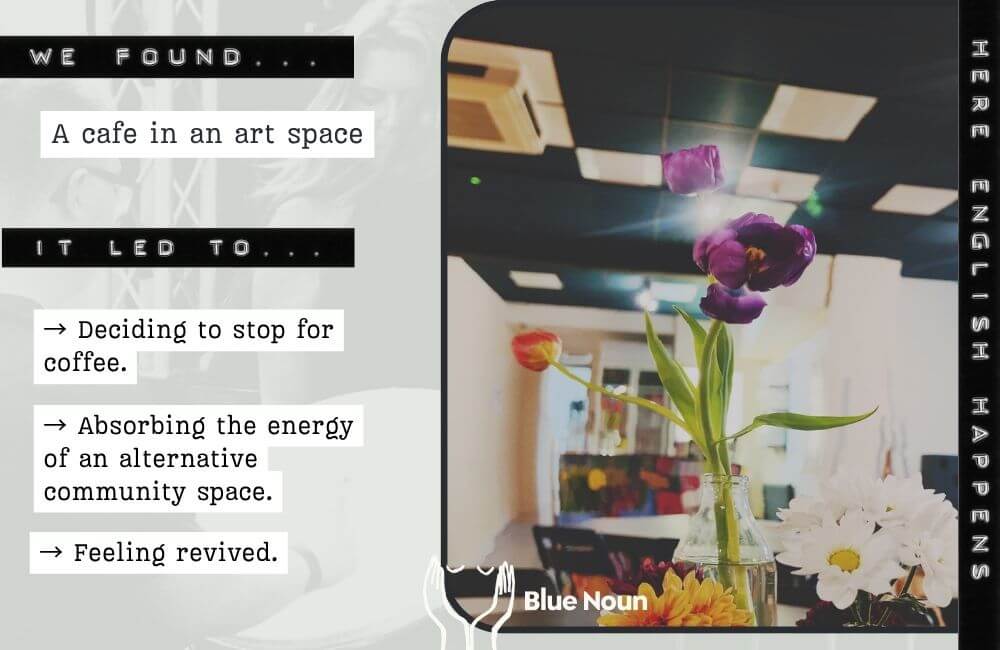
Someone who has lost confidence might spend the afternoon making pottery with a local artist, discovering that English can simply become part of an enjoyable experience again.
Someone else might leave with a reading list, a podcast recommendation and a plan for keeping English alive once they’re back home.
Unlike most language schools, the goal isn’t to fit everyone into the same programme.
It’s to understand what your English needs are, including proving to you your existing skills.

Holistic Doesn’t Mean One Particular Way of Learning
Some people hear the word holistic and imagine something a bit “out there”. That’s not what we mean.
Holistic language learning simply means working out what you need as a whole person.
For example, if you’re already spending eight hours a day sitting at a desk, adding another hour of English at a desk might feel like swimming upstream. Listening to a podcast while walking the dog could be a way of learning that feels much more aligned with your life.
Equally, some people genuinely enjoy working through online courses. There’s nothing wrong with that if it suits their lifestyle, personality and goals.
Holistic language learning isn’t about saying one way of learning is better than another. It’s about finding the approach that works for you and makes it easier to keep English as a positive part of your life.
Simple Ways to Build a Healthier Relationship with English
A good place to start is by collecting your own ideas for making English feel enjoyable again – especially if it has started to feel like hard work.
They don’t need to be big changes.
It could be something as simple as buying a new notebook, listening to a podcast on your daily walk, or choosing an activity that you decide to do only in English.
Don’t overreach. It really doesn’t matter whether you’re reading a trashy novel, baking cakes with TV chef Jamie Oliver, or listening to an alternative radio station. What matters is that you’re using English in a way that feels sustainable.
And enjoyable.
As a general rule, the more senses and parts of your life you involve, the richer the memories become. That’s one reason we encourage people to connect English with food, creativity, nature, music and meaningful conversations, rather than relying only on textbooks. The stronger the positive memories you build around English, the more likely you are to keep coming back to it.
What Experiences Would Matter to You?
Holistic language learning isn’t only about choosing the right learning activity. It’s also about creating the right opportunities.
One of our guests wanted to understand Scottish policing. There wasn’t a lesson for that.
Instead, a chain of community connections led to an invitation to visit the local police station. It wasn’t something we could have planned from a textbook, but it became one of the most memorable English experiences of the week.
That’s what we mean by looking at the whole person. We don’t just ask, “What English do you need?” We ask, “What experiences would matter to you?”

Why Knowing About Holistic Language Learning Matters
Perhaps the greatest benefit of understanding holistic language learning is the freedom it gives you.
It reminds us that there isn’t one “right” way to learn English.
For one person, a structured online course might be exactly what’s needed. For another, it might be joining a walking group and listening to a podcast each morning. Someone else might need a week away, immersed in English, to reconnect with the language.
All of these approaches can be holistic if they genuinely fit the person’s life, needs and goals.
The important thing isn’t how you learn.
It’s whether your way of learning helps you build a healthier, more sustainable relationship with English.
Useful Links
How we balance learning, wellbeing, and responsibility
Our three priorities make for one great holiday.
→ How we Balance Learning, Wellbeing and Responsibility