
When people search for English language holidays in Scotland with excursions, they’re usually looking for a mix of learning and travel — something structured, but also rich in experience.
At Blue Noun, excursions are part of the week — but not in the way people often expect.
A good language holiday isn’t a list of activities.
It has an arc — like a well-shaped day, or a well-told story.
There are moments of energy, moments of quiet, moments of connection, and moments where nothing much happens at all.
The scale of what we do — from small local encounters to bigger, more expansive days — is what allows that arc to exist.
Activities Come in Different Sizes
At Blue Noun, excursions don’t follow a single format.
Some are small and local — a community event, a conversation with a maker, a shared moment that opens up naturally.
Others are bigger — a journey, a landscape, something you take in rather than actively participate in.
Both matter. And it’s the balance between them that shapes your experience of Scotland — and how your English comes into use across the week.
What follows are a few examples of the kinds of excursions that appear on our English language holidays — from steam trains to art shows — and how they each play a different role.
Micro Moments (Where Language Opens Easily)
From our base in Perthshire, many of our experiences happen at a local, human scale — community events, small exhibitions, seasonal gatherings. There is always something going on, but it doesn’t feel staged or overwhelming.
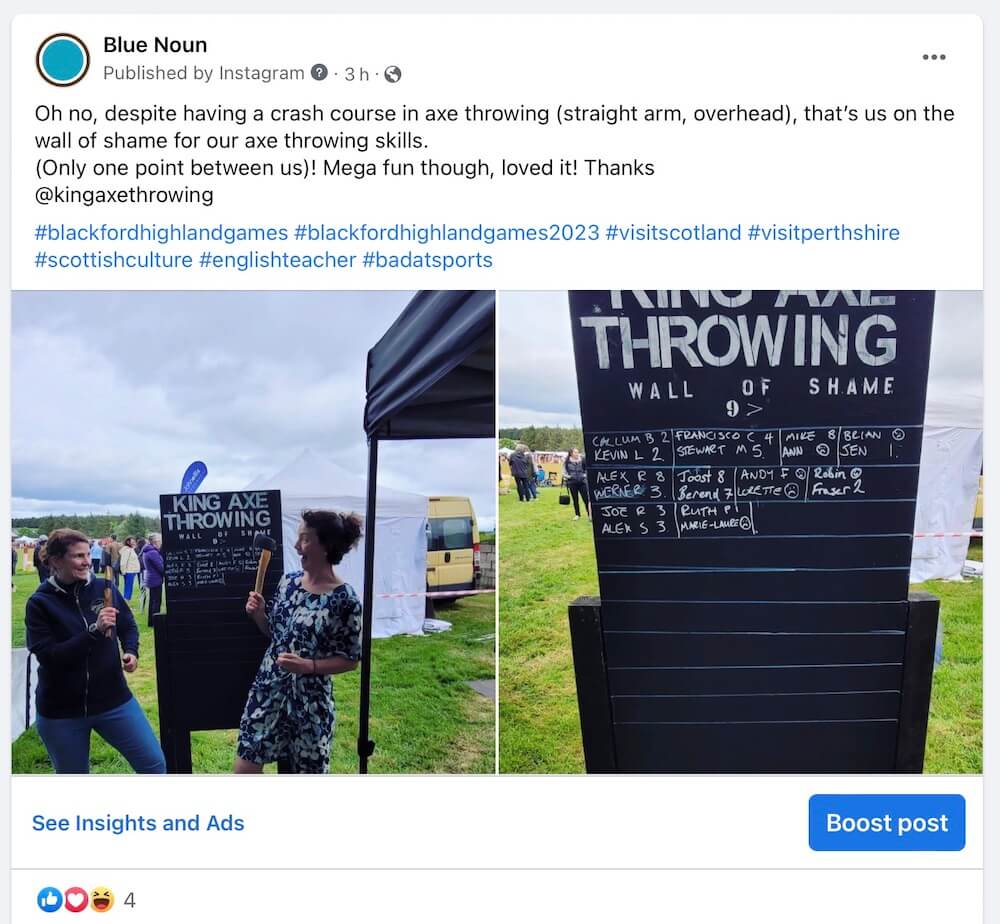
On a recent day, that included the Blackford Highland Games and a pop-up art exhibition in Auchterarder.
These are environments where conversation happens naturally. People are there to talk, share, explain what they do.
You find yourself asking questions, responding, joining in — not because you have to, but because it’s the natural thing to do.
Conversations with cheese makers, artists, or games stewards, even trying something like axe-throwing — these moments create an easy, low-pressure way into English.
Micro Culture
Experiencing Scottish culture isn’t only about big, dramatic landscapes.
It’s in the smaller details — the way people greet each other, the shared attention of a crowd, the rhythm of a local event.
A driver lifting a hand in greeting.
Applause when a record is broken.
A man quietly sharing his ice cream with his small, delighted dog.
These are the moments that stay with you.
And this is where English flows most naturally.
You’re not performing. You’re participating.
A short exchange, a shared reaction, a small conversation — these are low-pressure, human interactions.
This is where confidence builds, almost without you noticing.
Macro Moments (Where You Take It All In)
Some experiences in Scotland are simply too big to miss.
The landscapes, the journeys, the sense of scale — mountains, coastlines, cities — these are part of what draws people here.
But these bigger days play a different role in your week.
The boat trips, the train journeys, the iconic views — these are not language-heavy moments.
They are where you absorb, reflect, and enjoy.
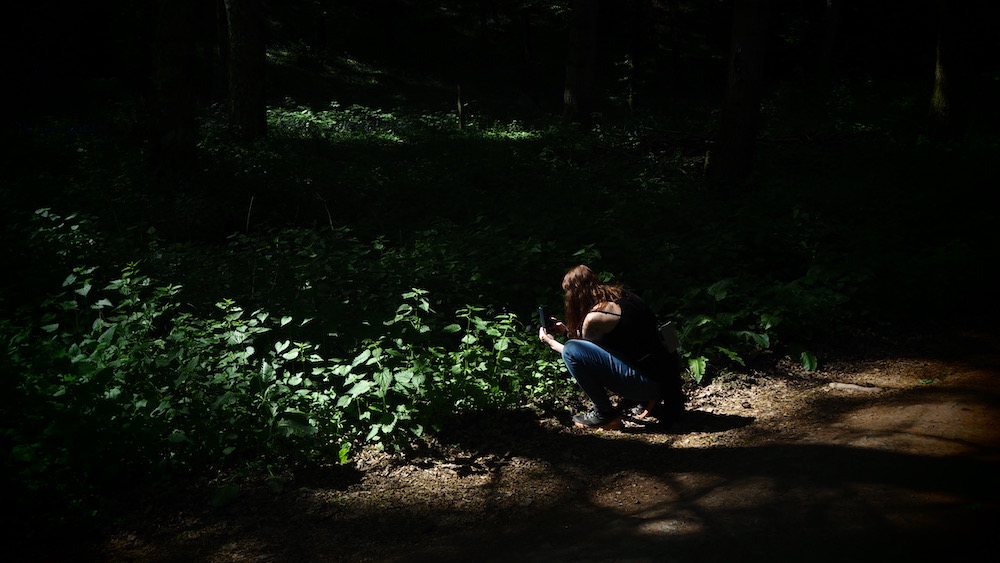
Where you look out of the window and don’t need to say anything at all.
After more social, interactive days, this space matters.
It allows the experience to settle — and gives you something real to talk about afterwards.
Why This Only Works at a Small Scale
This balance doesn’t happen by accident.
It only works because we work in small groups.
We can adjust the rhythm of a day.
Stay longer when something is working.
Leave when energy drops.
Follow a conversation.
Or protect a quiet moment.
Large language travel programmes can’t do this.
They have fixed timetables, fixed routes, and fixed outcomes.
But language doesn’t grow well under fixed conditions.
It grows in response to people, place, and timing.
That’s what we’re able to hold.
Notes from This Season
On our first holiday of the season, I’m so excited that we’re taking part in two bigger trips.
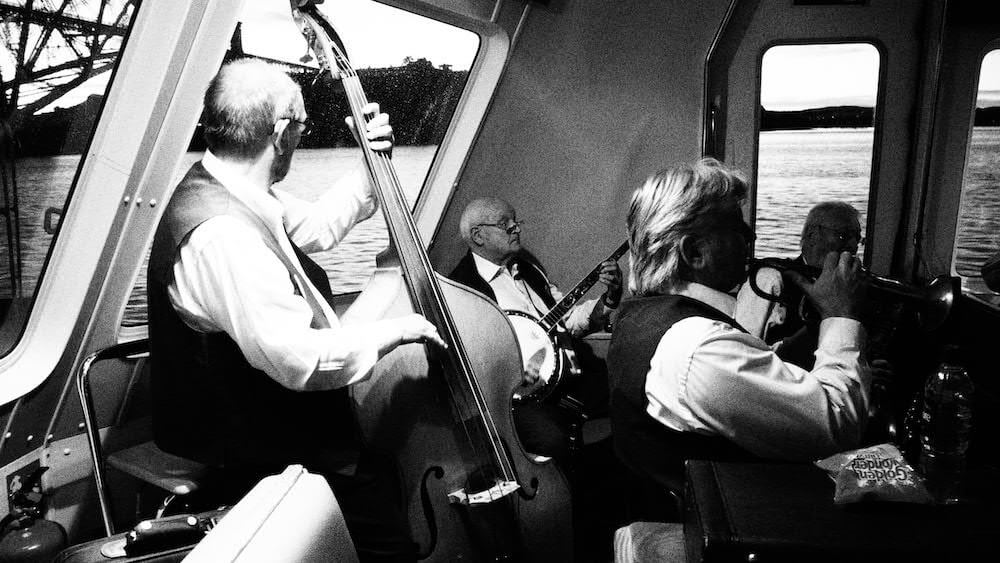
The first is a boat trip on the Maid of the Forth, near Edinburgh — sailing under the Forth Road Bridge and the Forth Rail Bridge.
It’s an evening cruise, with a live folk band on board. Music, light, water — one of those moments where everything slows down a little.
I took a video on a similar trip a couple of years ago, and I still remember how it felt passing under those bridges — slightly surreal, completely absorbing.
I’m so excited about it. I’ve never done it before, but I’ve always wanted to.
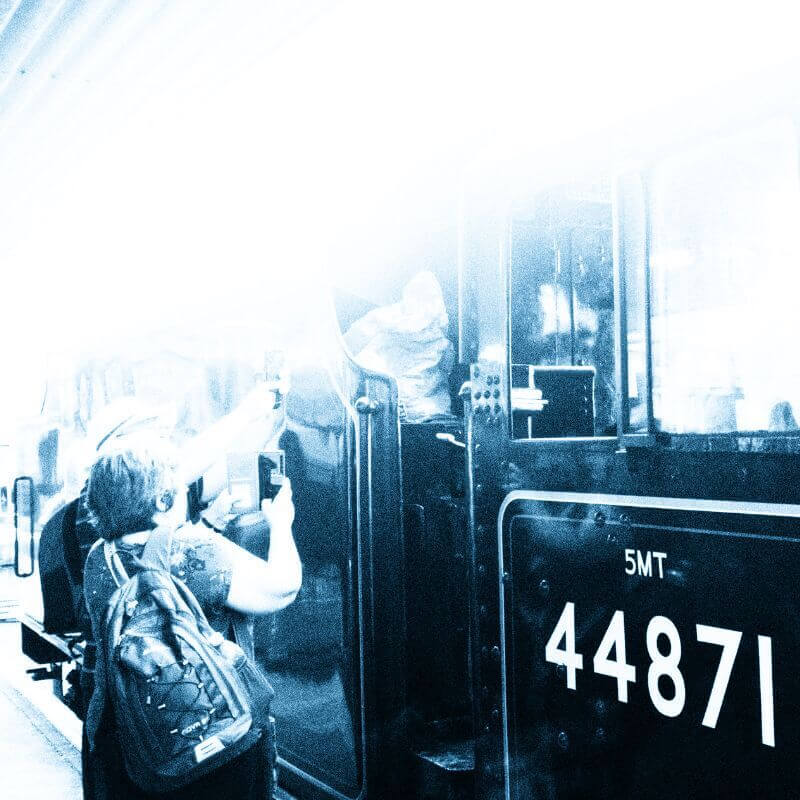
The Jacobite steam train — the one that crosses the Glenfinnan Viaduct (the Harry Potter bridge), travelling between Fort William and Mallaig.
People describe it as one of the best train journeys in the world, and looking at the route, it’s not hard to see why.
This feels like a “sit back and take it all in” kind of day.
(More on our blog: The Best Train Ride in the World?)
About Learning Language Outside the Classroom
Culture-led learning doesn’t happen without curation.
It comes from how a week is shaped — not just what you do, but how those moments sit alongside each other.
At Blue Noun, English isn’t something that switches on and off.
It develops in the spaces between — while walking, noticing, reflecting, and sharing attention.
These quieter moments matter.
They give you time to process, to settle, and to let language come back in a more natural way — without pressure, and without feeling like you’re “performing”.
It’s Not English Learning as You Know It
The bigger experiences aren’t a break from learning.
They complete the arc.
After days of conversation, interaction, and attention, you need space to step back.
To enjoy.
To reflect.
To feel something.
The music on the boat.
The view from the train.
The sense of having been somewhere properly.
That’s what stays with you.
And that’s what keeps your English with you — long after you leave.
If This Feels Like What You’ve Been Looking For
If this way of experiencing English feels like something you’ve been looking for, you can explore how a full week is shaped here:
→ Blue Noun English Language Holidays in Scotland
Or, if you’d prefer to talk it through, you’re very welcome to get in touch and ask questions.
Further Information
Our Guides to Find Your Next Step
What's the Next for My English?
A supportive space to find your next step
Help Choosing a Language Holiday
Choosing the right English language holiday can be confusing.
Check out our guides to help you ask better questions and invest well.