In Support of Choosing The Middle Way
Most people think they have two choices when it comes to improving their English while travelling.
They can book a full English language holiday — structured, organised, and designed around learning.
Or they can travel independently and hope their English improves along the way.
For a lot of people, neither option gets it right.
A full course may be too big a commitment — financially, and in terms of time and energy.
But travelling alone, even in an English-speaking country, often doesn’t lead to much real change. You hear English around you, but you don’t always get the chance to use it in a meaningful way.
How to Build Your Own English Holiday
This is where many people start looking for ways to learn English while travelling in the UK, yet it’s not always obvious how to do that well.
People often want something that’s real, flexible and effective—but they don’t quite know what to search for.
I’ve put together a practical guide to help.
Whether you’re travelling for a weekend or a longer adventure, it explains how to choose conversation-rich experiences, build English naturally into your plans, and make your holiday work harder for your English.
Choosing a Middle Way
You can travel as you like — at your own pace, following your own interests — and still make real progress with your English.
Not by leaving it to chance.
And not by turning your trip into a course.
But by building something in between.
For some, that might mean adding a small number of high-quality, in-person experiences at key moments in their trip.
For others, it’s about using light-touch support that helps them stay connected to their English as they travel.
And for most, it’s simply about approaching their trip differently — choosing the kinds of environments and activities that make English easier to access and use.
All of these sit within the same idea.
You don’t have to choose one extreme or the other.
You can shape an experience that fits you — and still move your English forward.
A Real Example of the Middle Way
Recently, I worked with a couple from Switzerland who were travelling through Scotland in exactly this way.
They were advanced users. They had both taken English courses in the past and understood their value. But this trip wasn’t about studying — it was about spending time together and enjoying Scotland.
Instead of booking a full language course, they built something more flexible.
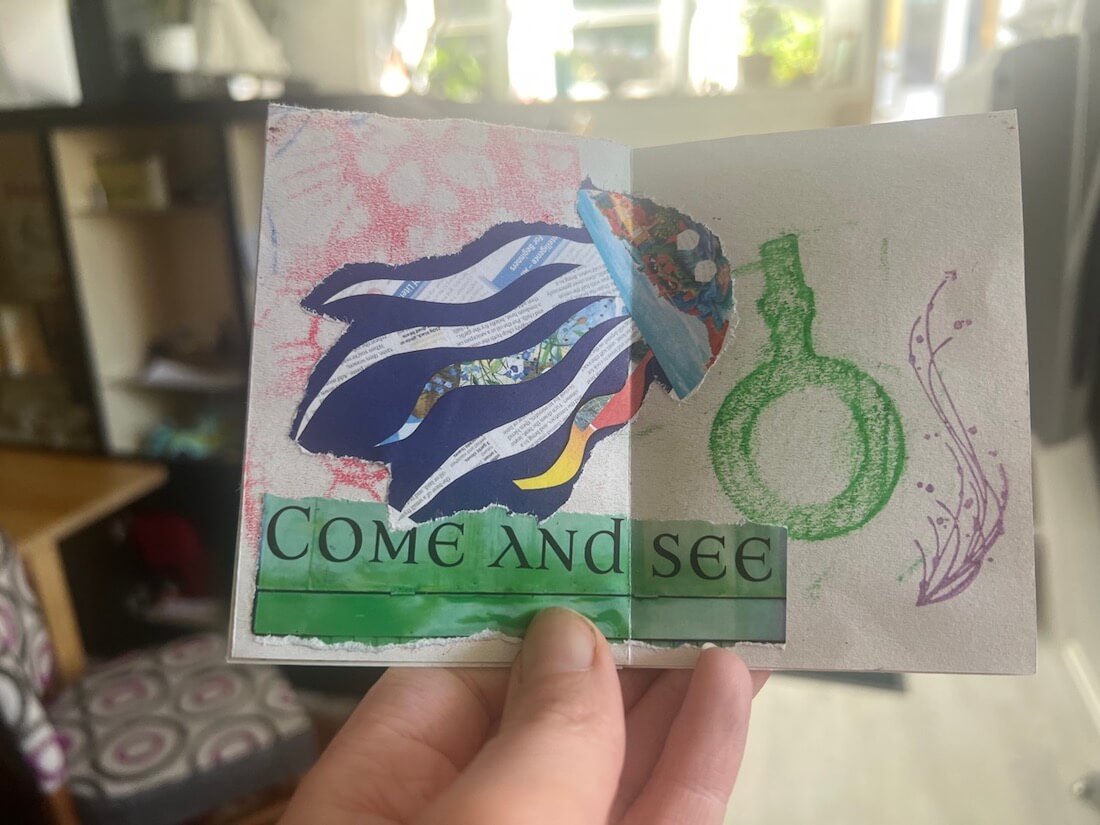
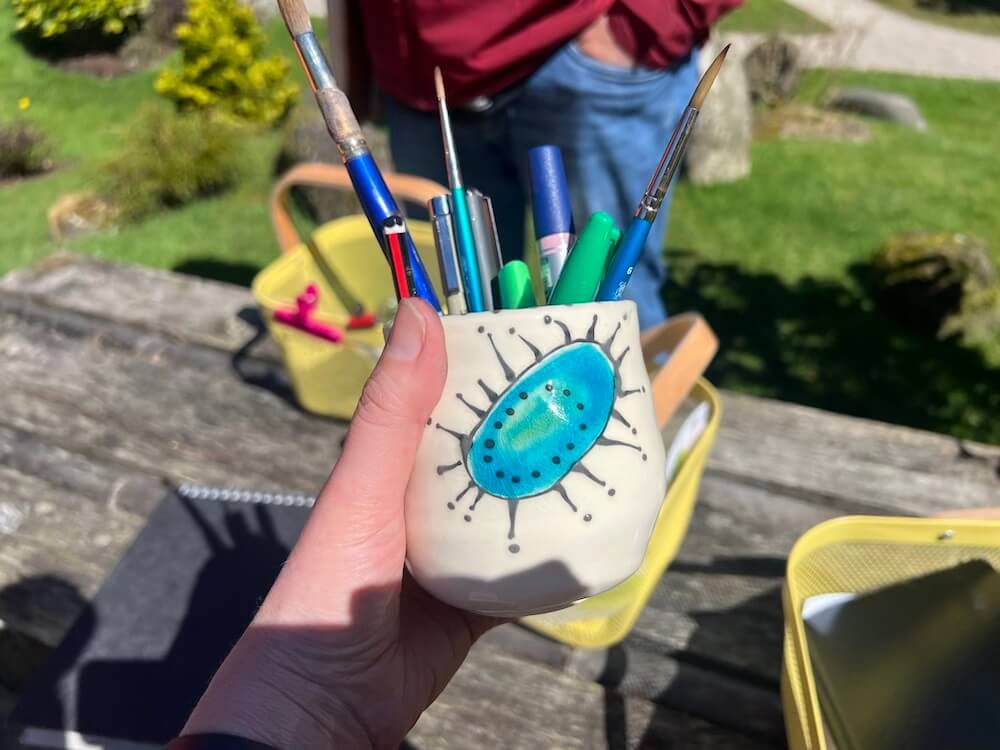
They added a small number of English-focused experiences into their trip — a pronunciation session near Stirling, and a creative workshop with me while visiting the Japanese Gardens.
Nothing heavy. Nothing that took over their plans.
Just well-placed moments that helped them engage more deeply with the language as they travelled.
I’ve written more about how that worked in practice here:
Blue Noun’s Middle Way Options
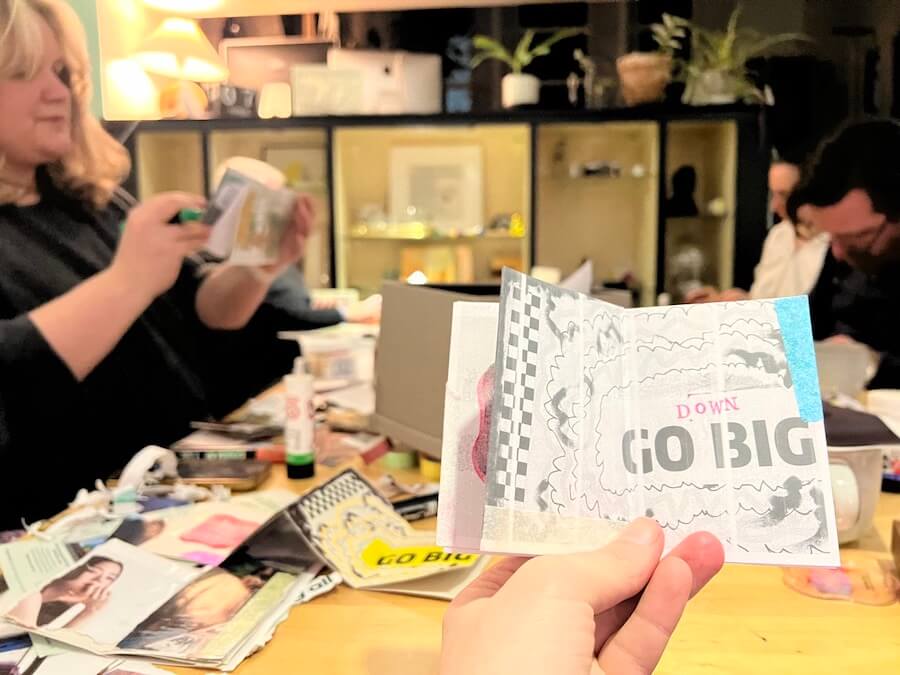
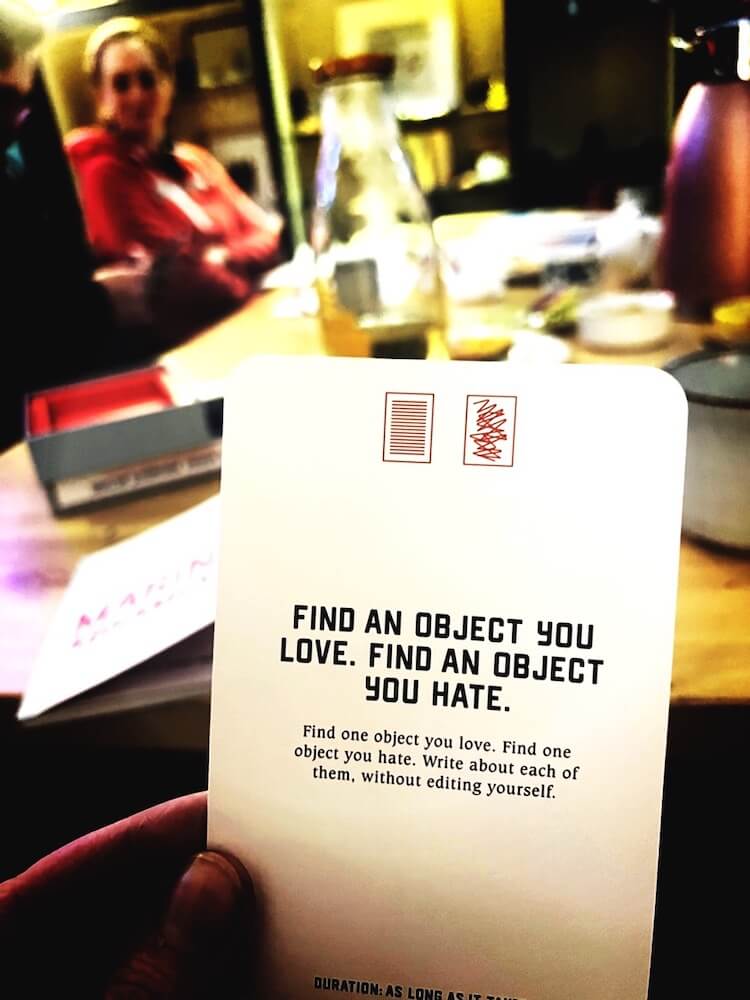
Blue Noun Language Hub help Middle Way travellers with a selection of options for solo travellers, friend groups, couples and families. Some take place at our base in Crieff, Perthshire, in the form of workshops and social events.
Others explore the hills and history of Stirling – in a walking and talking kind of way.
We have a few great locations in Scotland that we travel to for family English coaching experiences, including Blair Drummond Safari Park and Deep Sea World. Or visit the galleries of Edinburgh with me.
You can find the full range of options here:

The Most Effective Middle Way
The most language-effective middle way is placing small, well-chosen moments of English support into your trip.
Perhaps a language skills workshop, or conversation sessions partway through, when you’ve begun to notice what you can and can’t say.
A short review at the end, to make sense of everything you’ve heard and experienced, will help the progress settle and last.
This kind of English support doesn’t take over your holiday. It sits inside it.
You keep your freedom — but you’re no longer relying on chance.
A single Review and Revive session can bring your English into focus — leaving you with renewed energy and a clearer sense of how to keep it moving forward after your trip.
Why Support Matters
Travelling in an English-speaking country creates opportunities, but opportunities alone don’t lead to lasting progress.
The difference is often what happens around the experience: the questions you’re asked, the conversations you’re encouraged to have, and the chance to reflect afterwards.
I’ve written about this using a simple whisky tasting as an example, comparing the same experience with and without language coaching.
→ Language Support is Key to Successful Language Progress On Holiday

The Middle Way will amplify your Language results
Why I Created The Middle Way
For years, it has seemed as though learning English while travelling meant making a choice.
Either organise your whole holiday around English, or travel independently and hope enough opportunities appear along the way.
I don’t think those are the only options.
I created The Middle Way because I wanted to make real-world English support available to more people—not just those joining a full Blue Noun holiday.
Whether you spend an afternoon at a workshop, join a conversation over coffee, add a pronunciation session to your travels, or simply use some of the ideas shared on this website, my hope is the same.
That your holiday becomes a little richer.
That your English feels a little more like your own.
And that you return home with more than photographs and souvenirs.
You return home having lived a little more of your life in English.

Take Your English With You
Not every trip passes through Perthshire, and it’s not always possible to find the right kind of English support while you’re travelling.
That’s why I created the Holiday English Challenge.
It’s a simple way to stay connected to your English wherever you are in the UK, with a 15-minute activity delivered by WhatsApp each day and light language support in the evening.