
Why Access to a Native Speaker Isn’t Enough
Comparing three conversation options for English learners

An enquiring client recently told me she didn’t need to work with me because she already had a native speaker to practise English with.
Why pay for conversations when you can have them for free?
Many people believe that simply talking with native speakers is enough to transform their English.
And even more don’t have a clear picture of what experience-led language development actually is, and how it helps. (Even my mum has been known to describe my work as just wandering about Scotland talking English).
To the layperson, the three conversation options look similar.
But language workers know there’s a world of difference between them.
“You Just Need Conversations with a Native Speaker”
This page explores this assumption, so ingrained it influences everything in our industry, from how teachers are valued, to how language courses are marketed and how learners search for help.
→ We’ll look at what you get from conversation practice with a native (or fluent) speaker—why it can be valuable, and where its limitations lie.
→ I’ll show what you get from working with an experienced language teacher or coach—again, where it excels and where its boundaries are.
→ Finally, we’ll look at something rather different: stepping into a full experience that has been designed around language development (and that’s not a classroom-based conversation holiday – those are covered by part two).
To show the difference, I’m going to borrow an analogy from the world of art workshops. I think it’s a better way of demonstrating what I build, as travel-based language learning has been homogenised by the terms ‘immersion’ and ‘culture’.

1. Conversation Practice with a Native or Fluent Speaker
If you already have someone to practise English with, you’re fortunate.
Regular conversation is one of the most enjoyable ways to use your English. It can build confidence, expose you to everyday language, introduce you to new cultures and, over time, help you become more comfortable communicating.
For many learners, it’s also free.
But conversation practice and language development are not the same thing.
A conversation partner has one job: to have a conversation with you.
They may not notice patterns in your English, help you through difficult moments, introduce new language at the right time, be able to explain why something sounds natural, show similar patterns, or gradually stretch your ability without overwhelming you.
They are not trained to help you avoid fossilising errors or encourage you to move beyond the language you already know how to use.
Even so, you could be lucky in other ways. Your conversation partner may naturally be able to create engaging moments. They may even be a skilled language teacher. If that’s the case, you’ll gain far more than conversation alone.
But most of the time, this kind of conversation practice follows the relationship rather than your language development.
For learners who simply want to use their English, that may be enough.
For learners hoping to transform how they communicate, conversation practice is only one part of a bigger picture.

2. Conversation Practice with a Skilled Language Teacher
At first, this may feel very similar. You’re still having a relaxed conversation. Maybe you’re still drinking coffee, laughing and talking about your life.
But beneath the conversation, something different is happening.
A skilled language practitioner is constantly making professional decisions that learners may never notice.
They:
-
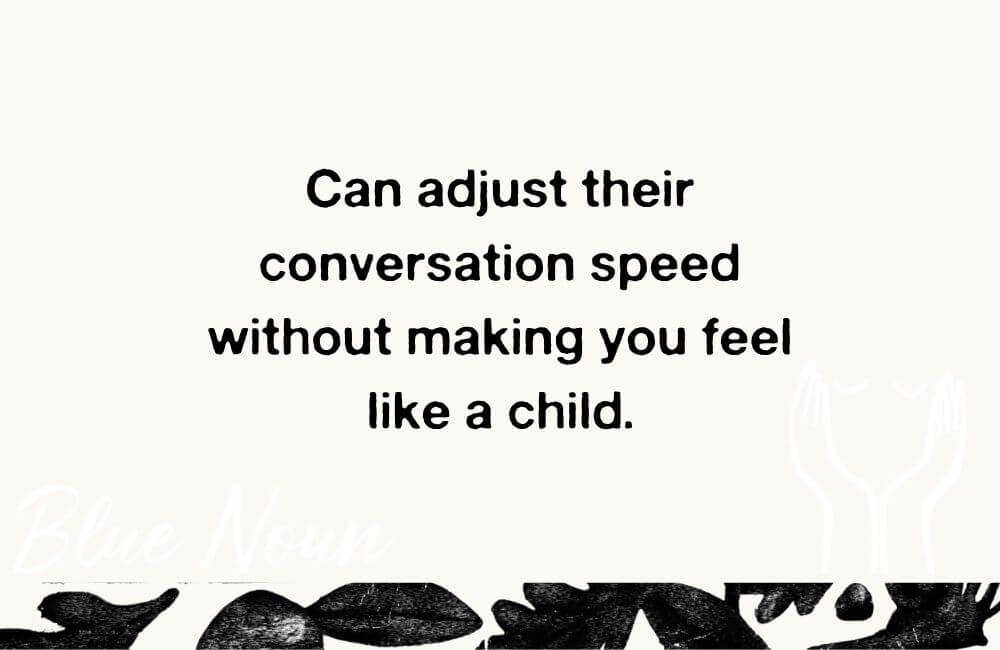
- can adjust their conversation speed without making you feel like a child.
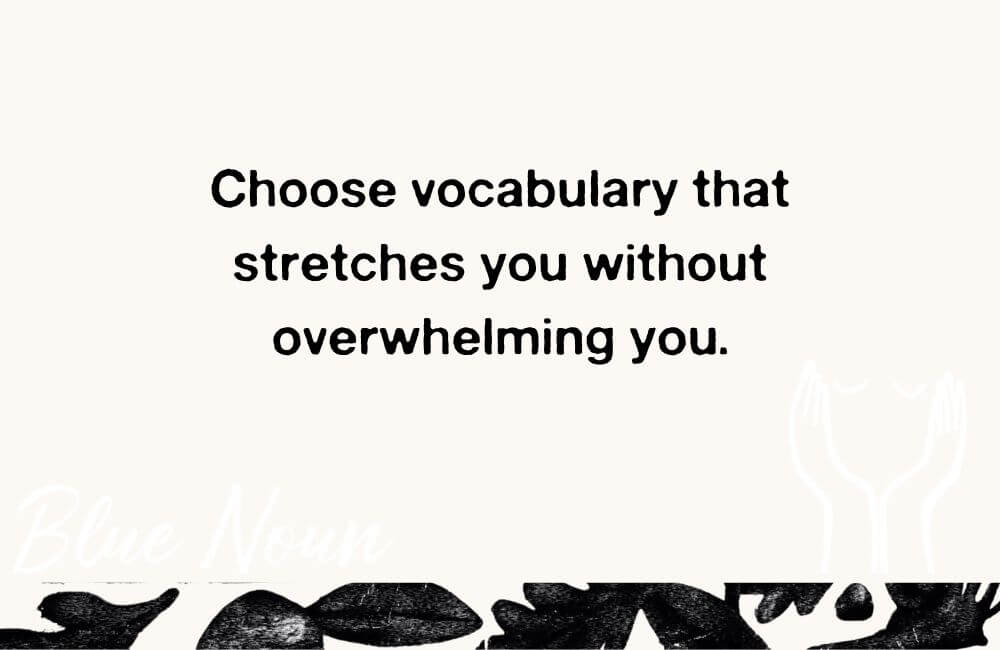
- choose vocabulary that stretches you without overwhelming you.
- notice what you can say, not just what you can’t.
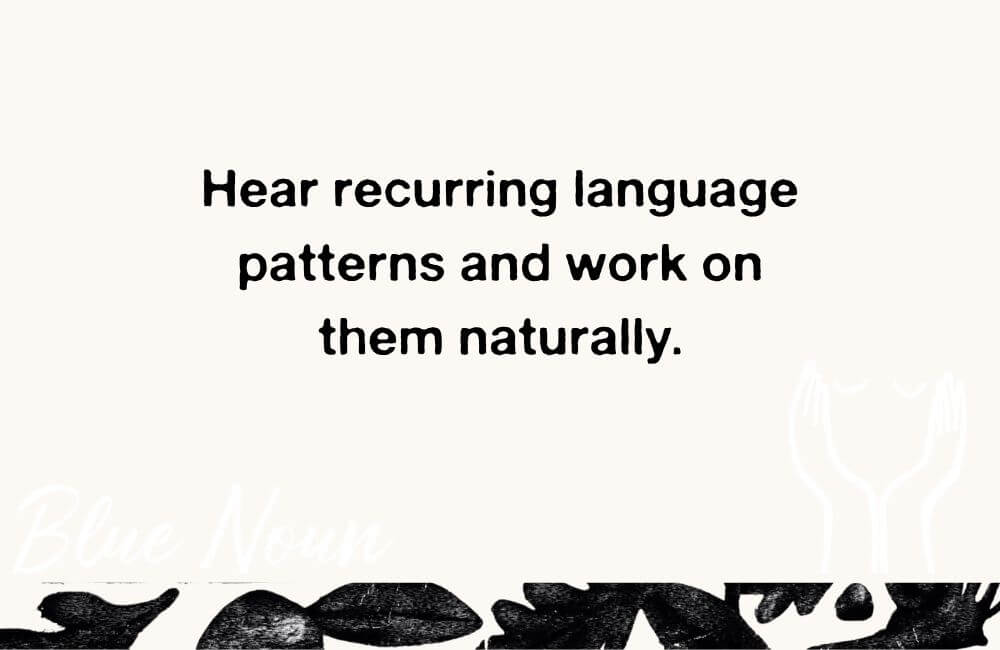
- hear recurring language patterns and feed them back naturally.
- know when to let you find your words and when to step in.
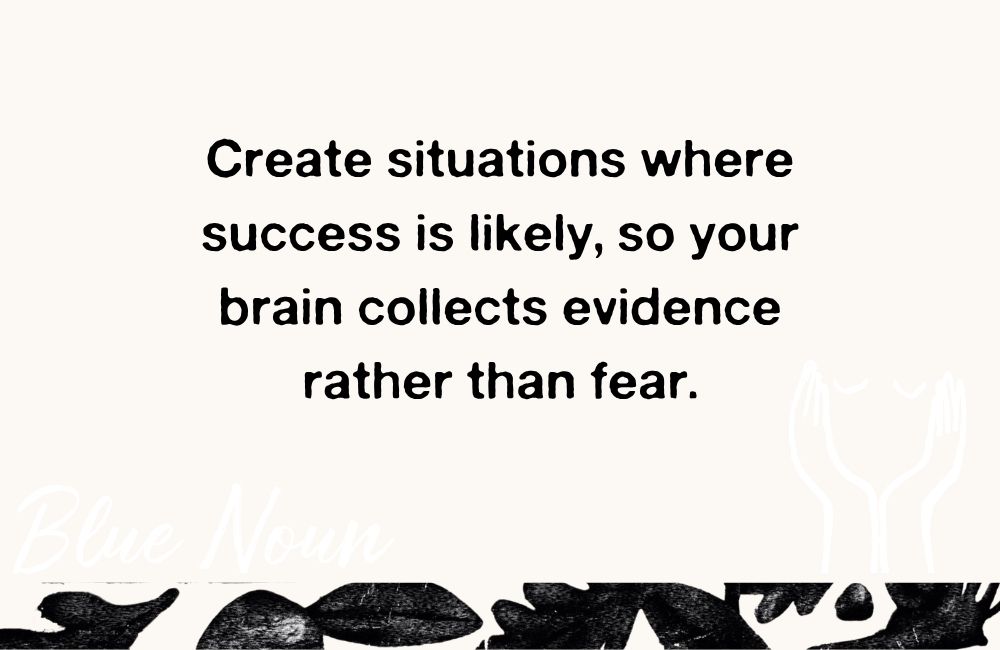
- create situations where success is likely, so your brain collects evidence rather than fear.
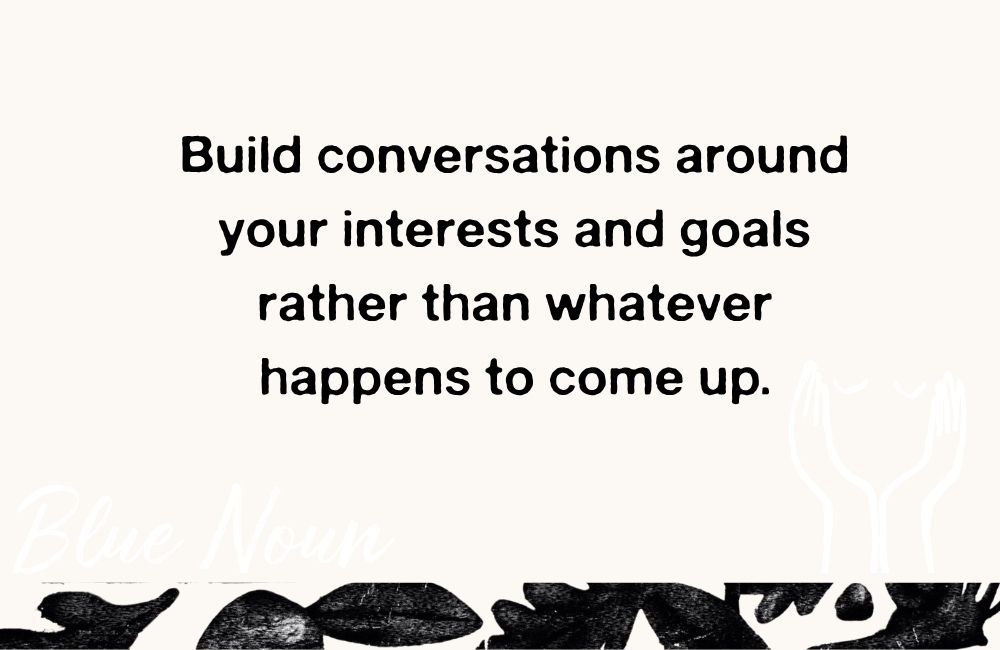
- build conversations around your interests and goals rather than whatever happens to come up.
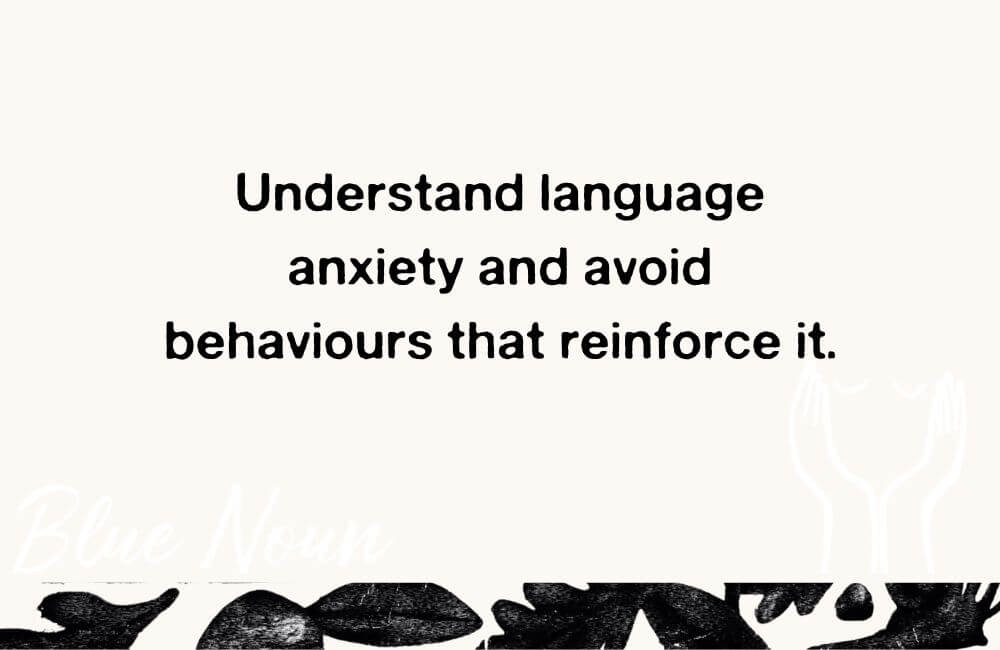
- understand language anxiety and avoid behaviours that reinforce it.
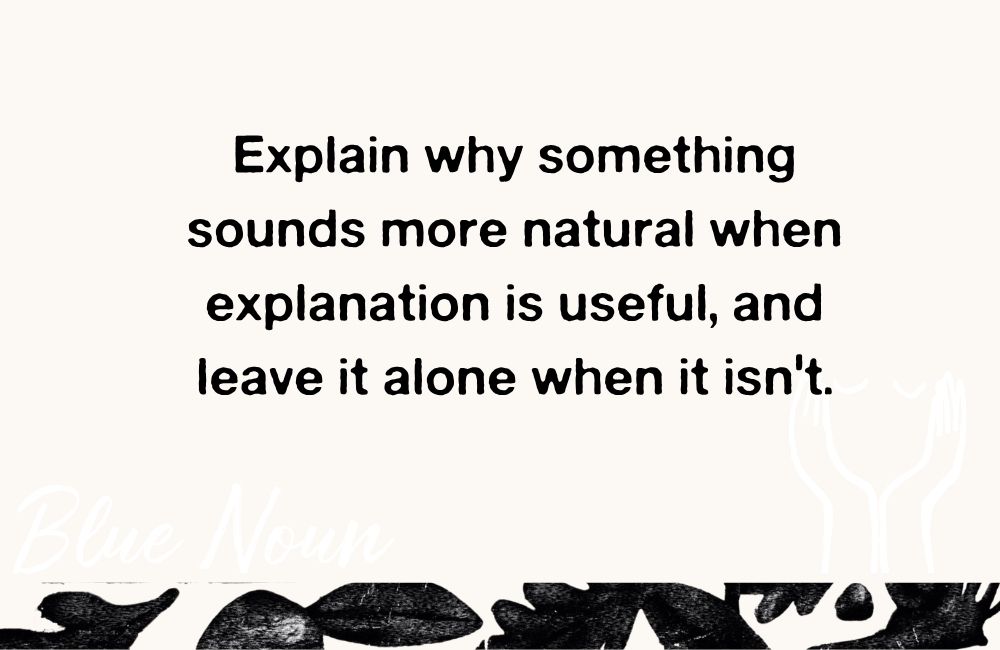
- explain why something sounds more natural when explanation is useful—and leave it alone when it isn’t.
- know how to make several hours of English feel energising rather than exhausting.
- get you to repeat difficult structures without growing bored or afraid of them.
- understand which interventions will gain the largest results.
- know and identify the stages of language progress, and aim for them.
- hold course towards clear language goals.



Invisible Differences
Looking at snapshots of both kinds of conversation practice would make them seem very similar. Even experiencing them as a learner may look equally effortless, but they aren’t.
The difference is that the conversation is no longer the goal. It has become the vehicle through which your English improves.
Invisible skills are at work. The difference between them will be clear in the speed and depth of improvement in your language skills.
To go into this further, this article answers the question: Is it worth paying well for English language training?
About Native Speakers as Language Educators
In one of my first teaching jobs, I attended an induction with around thirty English teachers. Some were native speakers, some had learned English as an additional language.
We were asked to complete a grammar worksheet before we started teaching. Most of the native speakers struggled with questions that several of the non-native teachers answered with ease (‘There’s a subjunctive in English?‘ we whispered uncomfortably).
The additional language teachers aced the test. One of them archly pointed out,
“If you want to know about English, don’t ask a native speaker.”
It was my initiation into learning that being a native speaker and being skilled at developing someone else’s English are not the same thing.
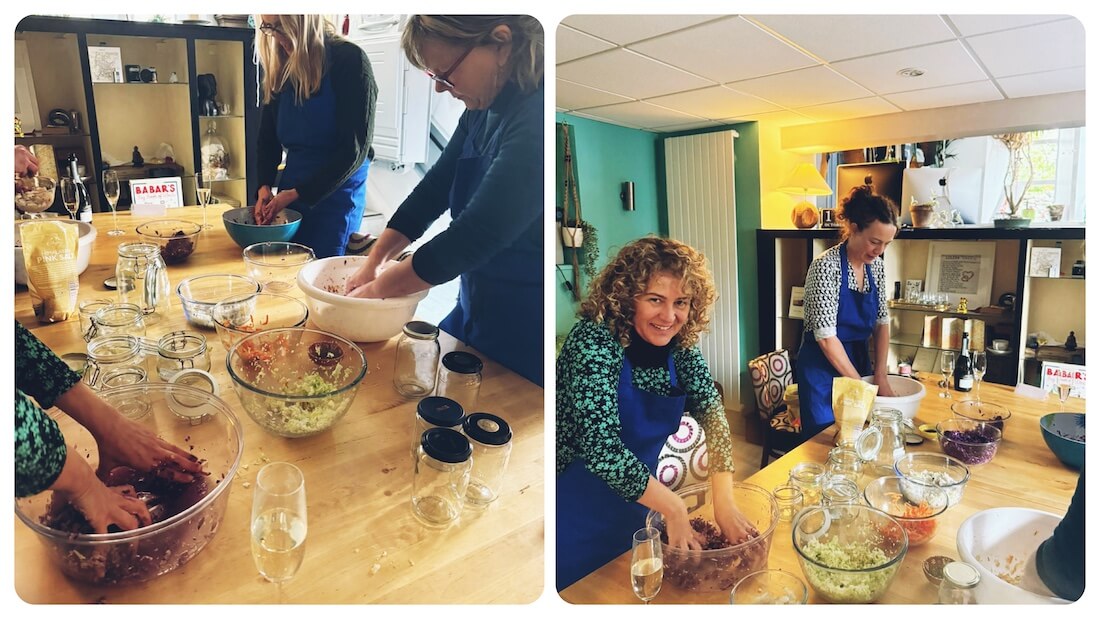
3. Designed Language Experiences
A designed language experience goes beyond conversation and beyond language teaching.
The conversation is only one part of the learning environment.
The places you visit, the people you meet, the activities you do, the pace of the day and the order in which experiences happen all become part of your language development.
Instead of asking, “What shall we talk about today?”, the practitioner asks, “What kind of experiences will create the best opportunities for this person’s English to grow?”
That changes everything.
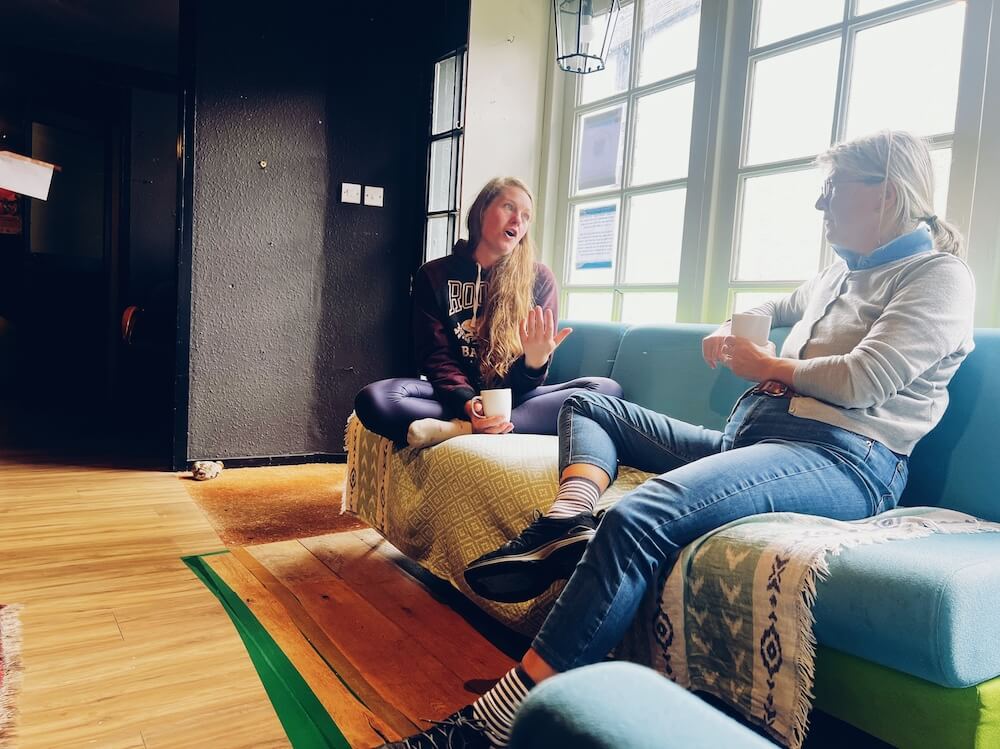
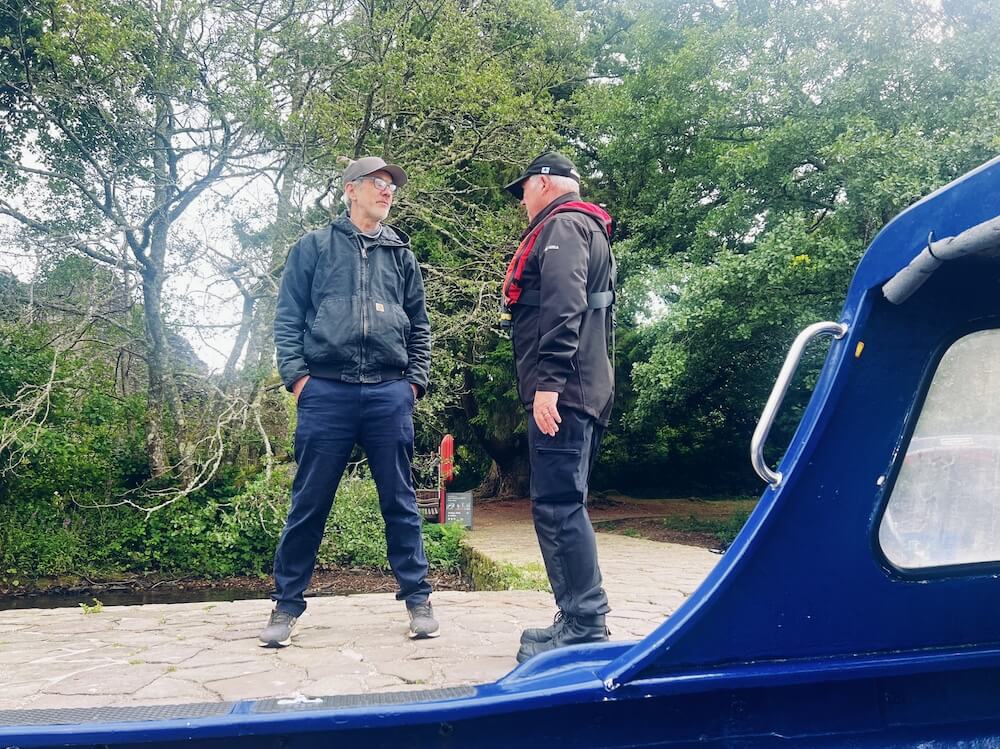
I choose places because they naturally generate different kinds of conversation. I introduce you to people I know will include you as my friends. I plan the rhythm of the day so that ten hours of English feels engaging rather than overwhelming.
I take you to meet interesting people with stories to share, and can include learners in conversation rather than dominate it.
I build a rhythm that keeps a full day of English stimulating rather than exhausting.
Language experience designers use real experiences to create meaningful reasons to listen, ask questions, tell stories and express opinions.
The result is that language learning is no longer separated from living.
You are not practising English before you use it.
You are developing your English by using it, within an experience that has been intentionally designed to support that process fully.
That is not the same as spending time with a native speaker; it’s not even close!
About Guided Language Development
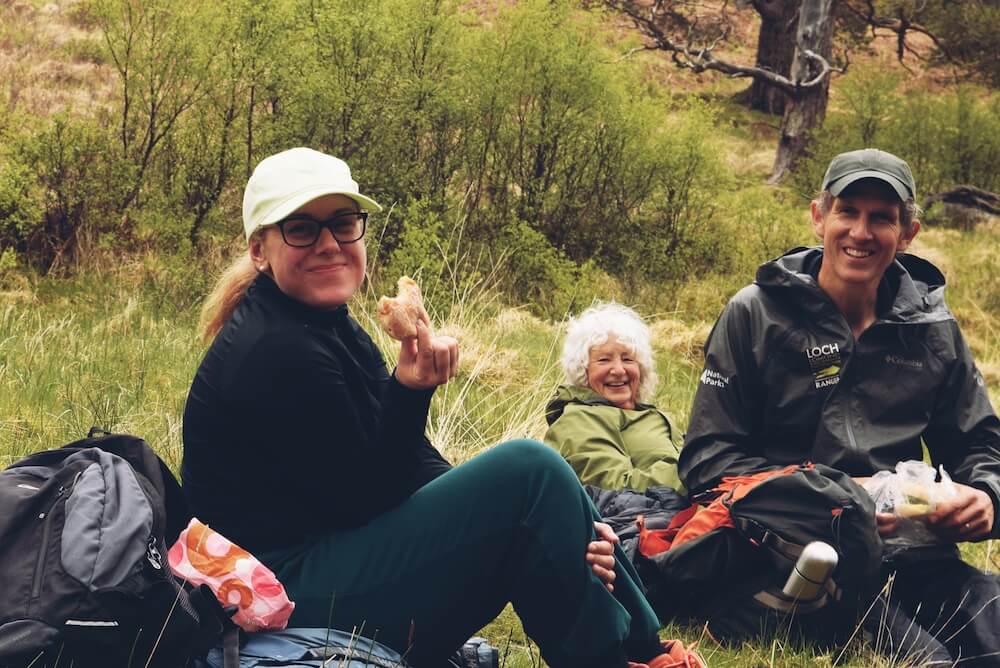
One of my guests, Elisa, described it like this:
“I spent 10 days on a language immersion holiday that simply can’t be compared to any other previous experience…”
“I learned because I was living. I lived because I was learning.”

Compare this to an Art Workshop
Imagine you enjoy drawing and already draw quite well.
So why would you pay to attend an art workshop?
An art workshop isn’t simply a place to draw in the same way you draw at home.
It’s a concentrated experience that includes being inspired by other artists, discovering new techniques and materials, and experimenting in ways you probably wouldn’t choose for yourself.
You might be asked to make ten-minute sketches, work with an unfamiliar medium or approach a familiar subject from a completely different perspective. The teacher brings that out.
A good tutor knows how to help everyone achieve certain results while creating opportunities for each person to discover something new for themselves. When to push forwards and when to consolidate.
They protect an environment where experimentation feels safe, where the process matters as much as the finished piece, and where making art is celebrated as part of your identity.
You leave a good workshop elated and powerful, having experienced ways of seeing, being and creating that you cannot access on your own.
The next time you are drawing alone, you will draw differently, not just with more skill, but with new goals, new knowledge of what’s possible, new certainty in your competency.
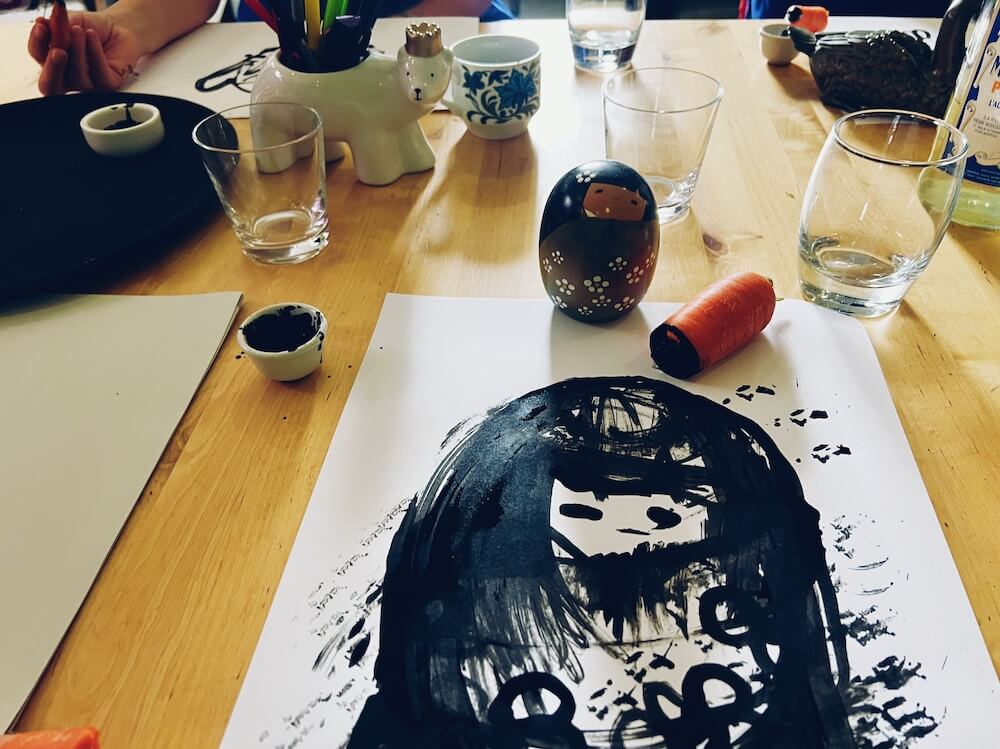
Image Credits
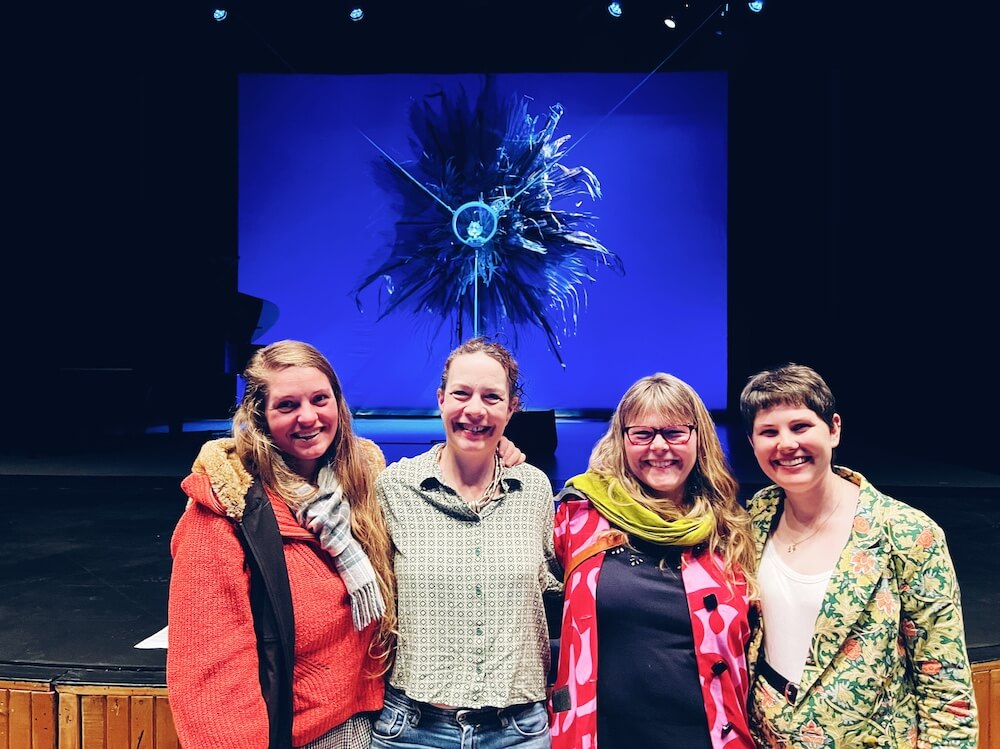
All the images on this page were taken during Blue Noun English holidays. Discover what’s possible for your English:
A Note on the Term ‘Native-Speaker’
This page compares three different ways of developing your English through conversation, a topic in which the term ‘native-speaker’ gets used – a lot.
If you’d like to understand Blue Noun’s position on native-speakerism and why I believe teaching expertise matters more than a teacher’s first language, read:
Further Information
→ See How Conversation Practice Can Fit into the Mix Your English Needs
If you have found this page helpful, we have published a collection of resources to help you identify the best next step for your English.


Good to Know
What’s a Hub?
Social Action Policy
Frequently Asked Questions
Free English Resources
Need to Know
Privacy Policy
Terms and Conditions

Blue Noun Language Hub
St Ninian’s Lodge,
Lodge St, Crieff PH7 4DW
01764 654377
email: ruth@bluenoun.co.uk
All photographs are by the author unless otherwise stated and permission is always obtained.
© Ruth Pringle 2026