
The Difference-Makers We Love to Share
The Businesses, Projects, and People Quietly Shaping Perthshire — And What That Means for Your English
Comrie Croft
An eco-campsite, outdoor sports hub, café, and collaborative rural business ecosystem.
” A farm reimagined for you – and for nature.”
At Comrie Croft, conversations often move beyond tourism and into questions of sustainability, rural economy, land use, and collaborative business models.
One business supports many others here, creating a symbiotic ecosystem rather than a standalone attraction.
GrowBiz
A rural enterprise support organisation helping small businesses grow across Perthshire.
GrowBiz repeatedly shapes the way we think about small business, local resilience, and community economies in Perthshire. Conversations here often lead into questions around self-employment, regional survival, creativity, and how people build meaningful work outside major cities.
Remake Scotland
A community repair and reuse hub encouraging practical local responses to climate and consumption.
Repair culture, sustainability, practical climate action, and circular economy thinking all emerge naturally through these spaces. They create thoughtful conversations around consumption, waste, responsibility, and the quiet optimism of people trying to improve things locally rather than waiting for larger systems to change.
Climate Café

Cultybraggan Camp
Summer Harvest Oil
A small Perthshire rapeseed oil producer focused on circular farming methods and local sustainability.
Conversations around Harvest Oil often lead into wider discussions about agriculture, food systems, waste reduction, local supply chains, and the growing pressure on small-scale farming. Guests quickly realise that even a bottle of oil can open questions about land stewardship, sustainability, and how farming adapts to modern environmental realities.
Great Perthshire
A regional organisation promoting tourism, culture, food, landscape, and independent business across Perthshire.
What interests us about Great Perthshire is the wider picture it reveals: the ongoing challenge of representing a region without flattening it into cliché. Conversations here often move into questions around tourism identity, local economy, storytelling, regional branding, and how places communicate what makes them distinct while still protecting what matters locally.
Clootie McToot
A Scottish dumpling business combining humour, hospitality, and an unusually human approach to employment.
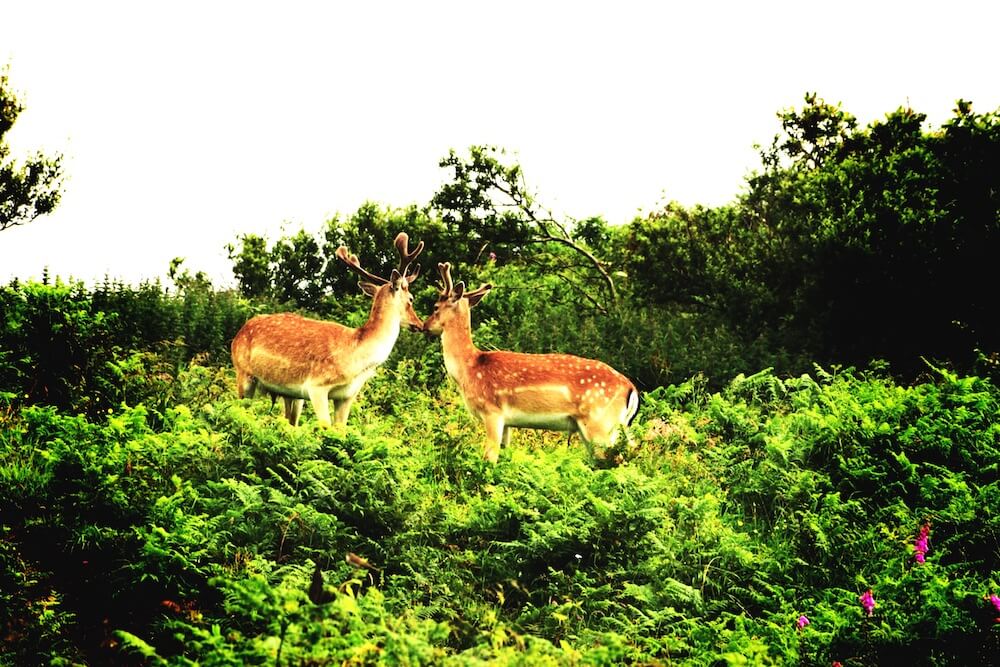
Venison & Deer Management
An introduction to one of the most complex and emotionally layered conversations in the Scottish landscape.
Discussions around venison quickly move beyond food and into questions of biodiversity, rewilding, tourism, class, conservation, rural livelihoods, sporting estates, and land management. These conversations are rarely simple, which is exactly why they become such rich and memorable English experiences.
Cairn O'Mohr
Argaty Red Kites
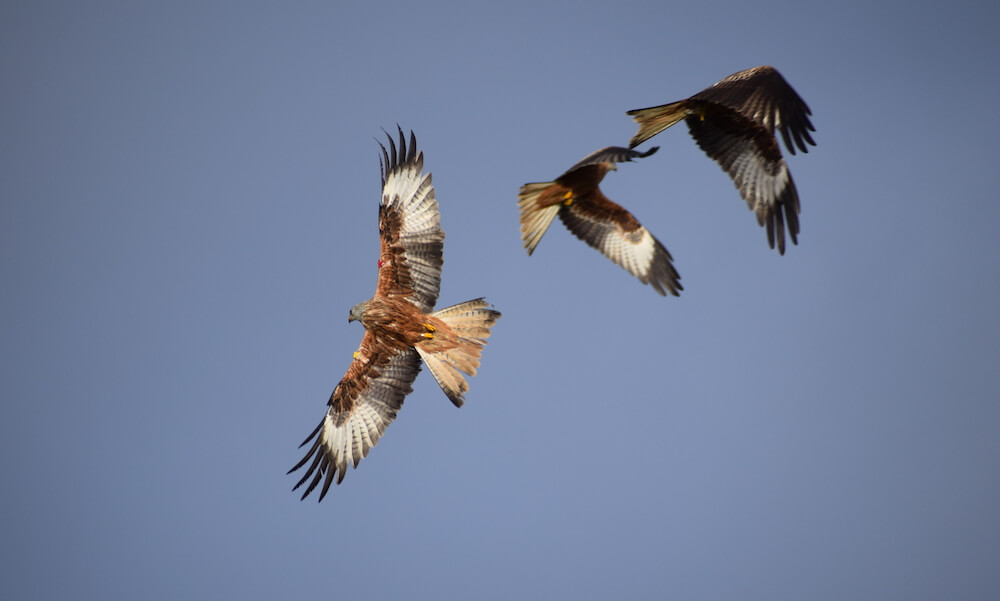
A family-run red kite feeding station and conservation project focused on biodiversity and public education.
What begins as wildlife watching often opens into discussions around farming, conservation, biodiversity, tourism pressure, land management, and rewilding. These conversations tend to stay with people because they reveal how emotionally and politically layered landscape can become.
Adventure Paddleboarding
Outdoor experiences shaped around access to landscape, confidence, and environmental awareness.
Do It Outdoors
An outdoor activity provider focused on helping people engage with Scottish landscape in active and accessible ways.
Conversations here often lead naturally into discussions around tourism, confidence, outdoor education, risk, access to nature, and the changing relationship between people and landscape in Scotland.
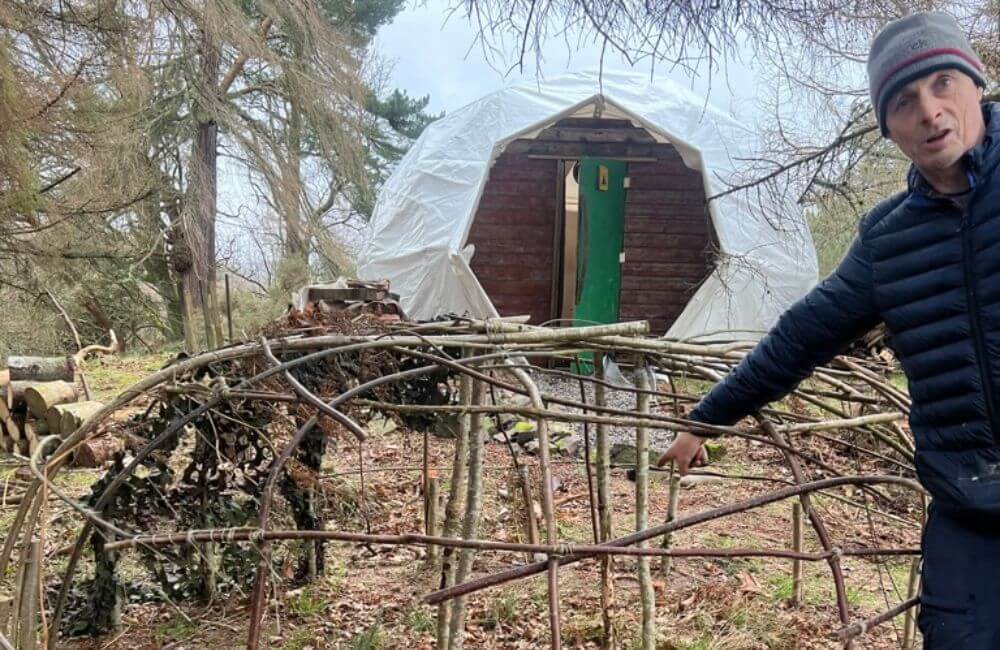
The Drovers Tryst Walking Festival
An outdoor activity provider focused on helping people engage with Scottish landscape in active and accessible ways.
Conversations here often lead naturally into discussions around tourism, confidence, outdoor education, risk, access to nature, and the changing relationship between people and landscape in Scotland.
→ Walking in the Shadow of Cattle: The Drover’s Tryst Festival
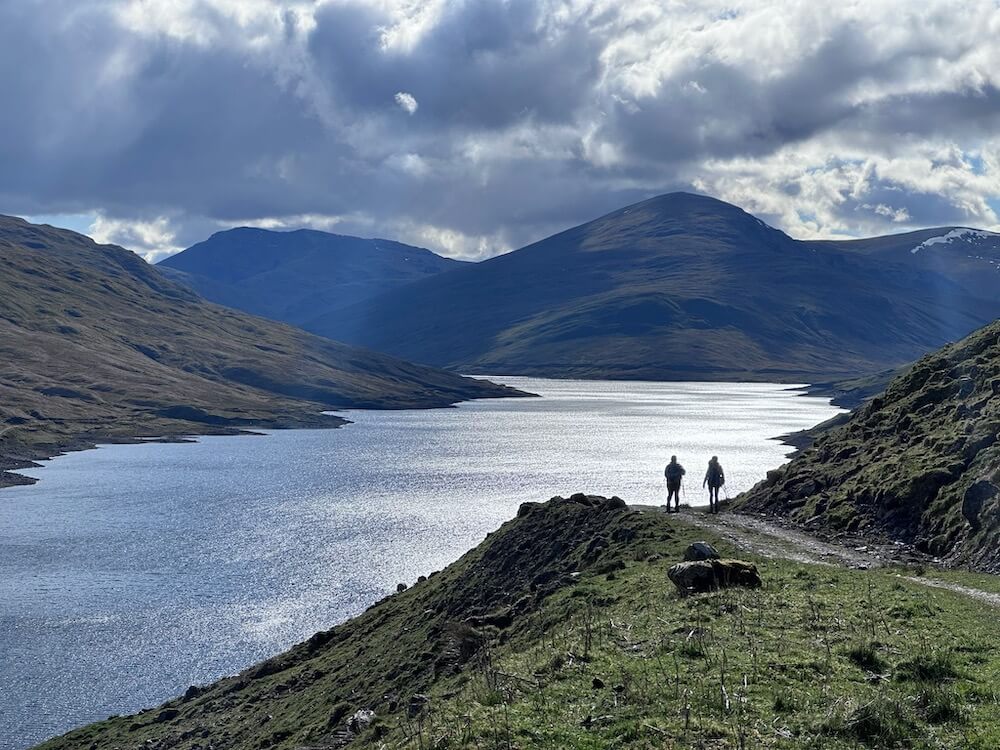
Sir Walter Scott Steamship
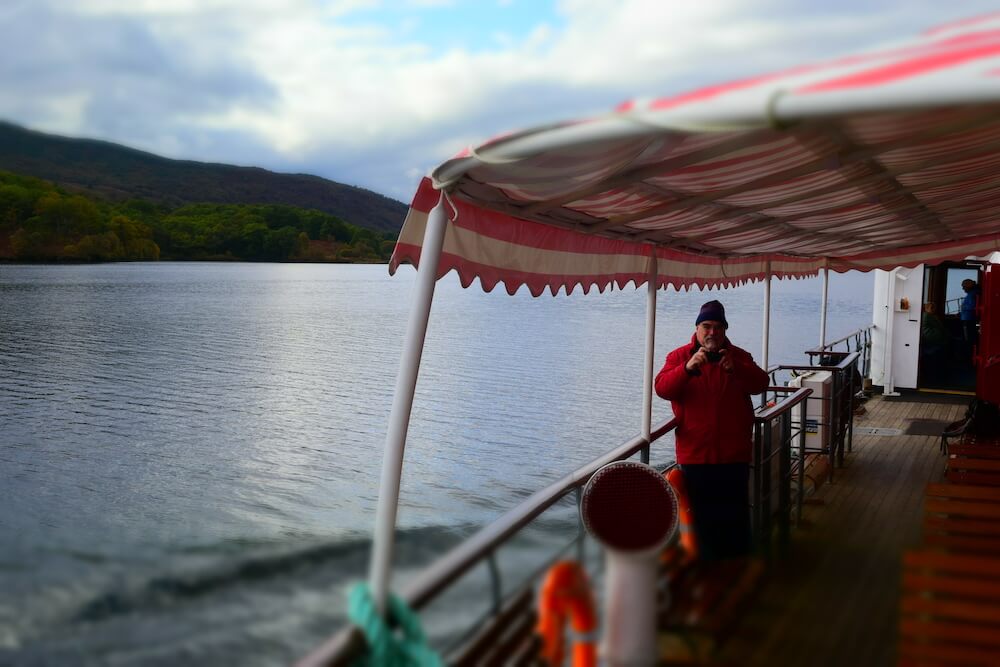
A historic steam-powered boat still operating on Loch Katrine as part of Scotland’s living transport and tourism heritage.
Journeys on the Sir Walter Scott often open discussions around engineering history, Victorian tourism, conservation, freshwater infrastructure, Scottish literary identity, and how historical experiences are adapted for modern visitors.
These encounters become especially rich when guests begin comparing how different countries preserve — or commercialise — their own histories.
Beyond Perthshire: The English Teaching Community Around Us
The same philosophy of care, curiosity, and collaboration also shapes the wider English teaching communities we work within.
Blue Noun has always been part of a much larger international network of independent English teachers, coaches, artists, and educators who openly share ideas, resources, questions, and encouragement with one another on a daily basis.
These are not our physical neighbours in the way Perthshire businesses are, but they are part of the wider ecosystem that shapes how we think about language learning.
Many are experimenting with more human, creative, thoughtful, and relationship-based ways of teaching English outside rigid educational systems. Like the businesses featured throughout this page, they are often building alternatives quietly: creating spaces where curiosity, confidence, individuality, and meaningful conversation matter more than standardisation and performance.
Their influence runs through Blue Noun constantly — in the conversations we host, the risks we take creatively, the ideas we share with guests, and the belief that language learning can remain deeply human even in an increasingly industrialised world.
What This Means for Our Holidays
Every Blue Noun holiday unfolds differently because the conversations unfold differently.
One week may circle repeatedly around food systems, tourism, and rural economy. Another may drift towards creativity, conservation, architecture, or wellbeing culture.
What matters is not covering a fixed curriculum, but creating the conditions for curiosity, participation, and meaningful English to emerge naturally through real encounters.
This is the Scotland we love sharing.



Good to Know
What’s a Hub?
Social Action Policy
Frequently Asked Questions
Free English Resources
Need to Know
Privacy Policy
Terms and Conditions

Blue Noun Language Hub
St Ninian’s Lodge,
Lodge St, Crieff PH7 4DW
01764 654377
email: ruth@bluenoun.co.uk
All photographs are by the author unless otherwise stated and permission is always obtained.
© Ruth Pringle 2026