
This blog shares one of the workshops you might experience on an English holiday with us — how it unfolds, and how it brings you into the place and the people around you.
Through one particular story that came up while we were baking, you begin to see how English becomes part of real life.

Breadmaking in Crieff
Some of our workshops take place in working environments, where English develops alongside real tasks rather than being the focus.
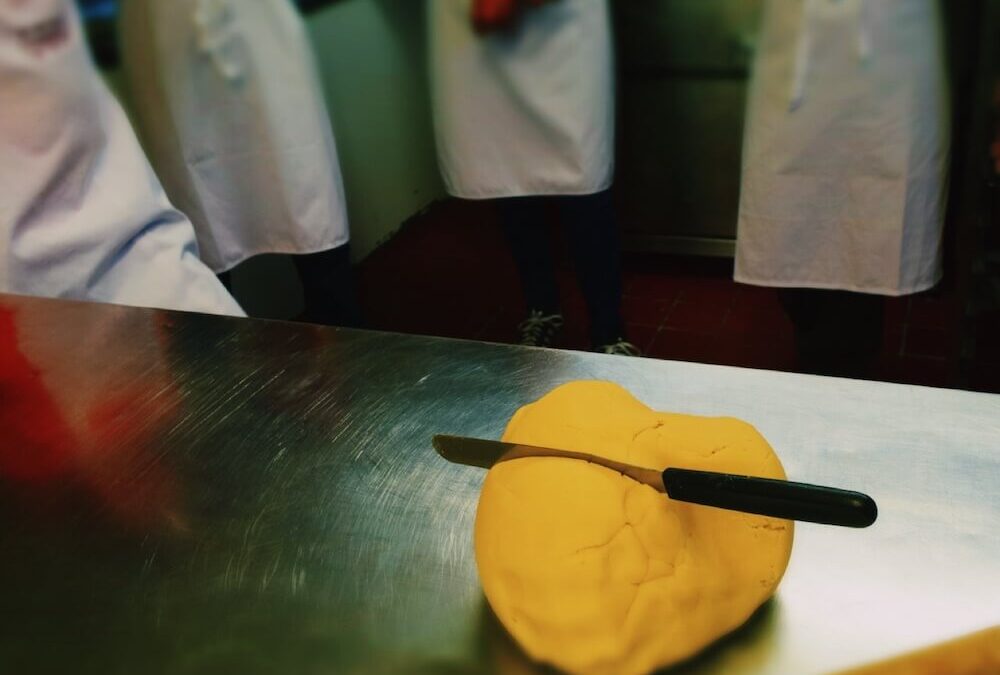
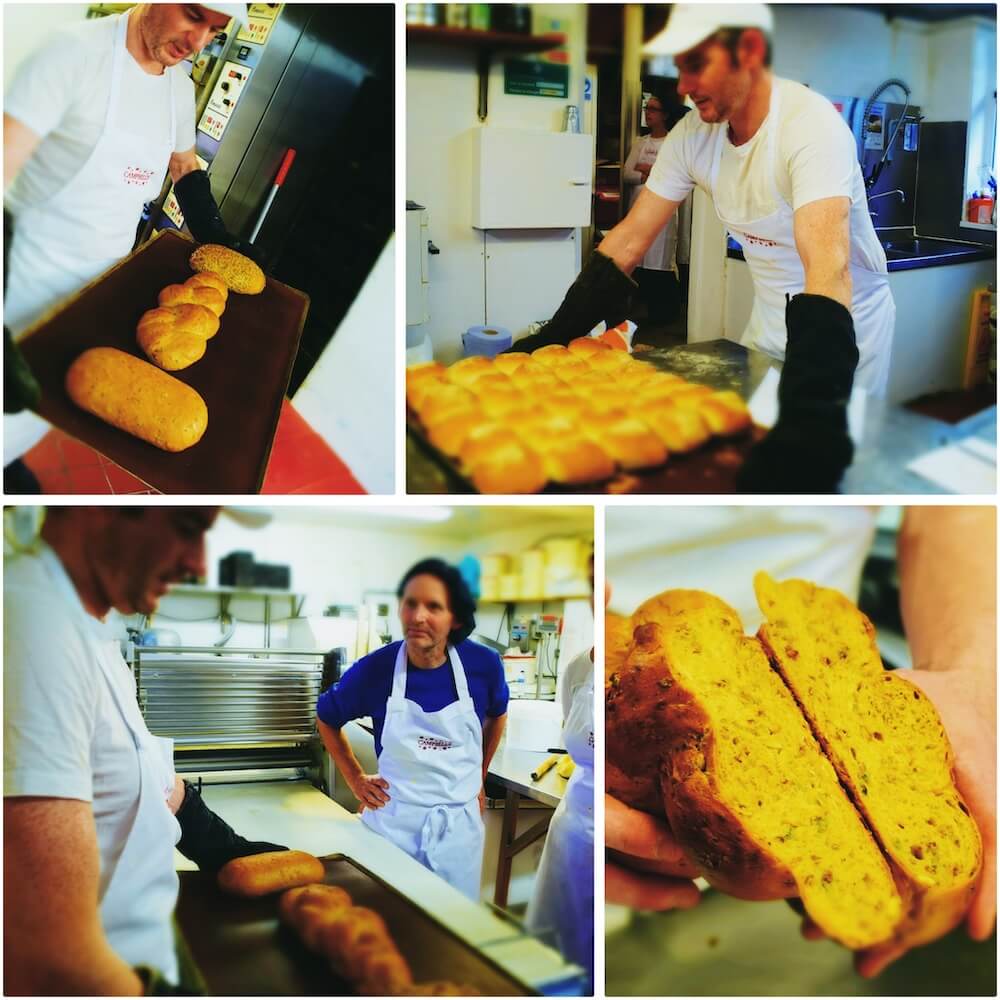
This session at Campbell’s Bakery in Crieff is one of those experiences — stepping into a long-established local bakery and working alongside Iain Campbell to mix, shape, and bake bread.
The setting changes how people use English. With hands busy and attention on the process, conversation becomes more practical and immediate — asking questions, following instructions, reacting to what’s happening, and sharing small moments as the work unfolds. It’s a steady, social way of using the language, grounded in something real.
Real Experiences, Real Language
This isn’t a workshop designed specifically for English learners. You join a publicly run session in a working bakery, alongside others who are there for the same reason — to learn how to make bread. Places are limited, so it still feels small and contained, and Iain Campbell and his team are experienced in putting people at ease quickly.
Most people feel slightly out of their depth in a professional kitchen at first — that’s part of it, and something you share with the group. Before long, the focus shifts to the bread itself. Conversation happens naturally around what you’re doing, and the need to “get your English right” tends to fall away.
From Mixing to Baking
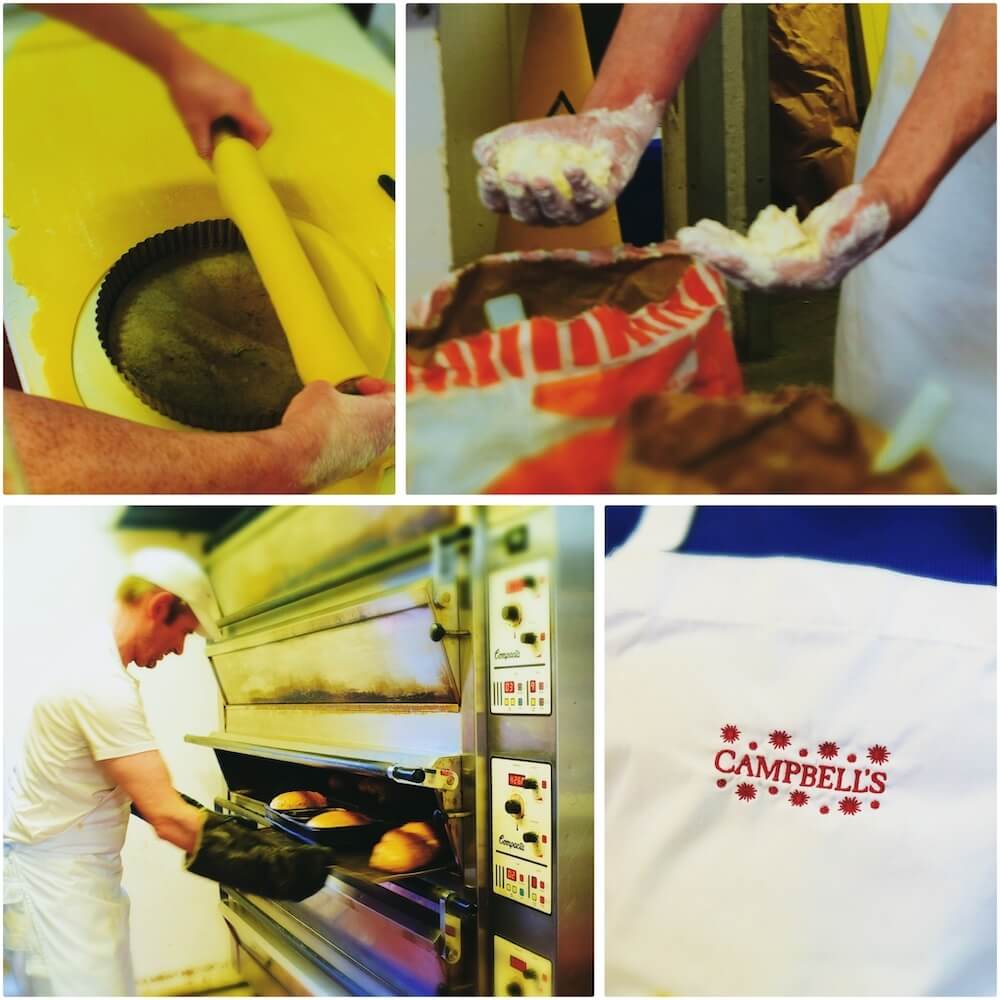
1. Mixing and Kneading
The first stage is physical and hands-on — measuring, combining, kneading the dough. Conversation tends to be practical here: asking questions, checking understanding, and reacting to the feel of the ingredients. It’s immediate, task-focused language that doesn’t require overthinking.
2. Into the Oven
Once the bread is shaped, it moves into the oven — usually handled by Iain — and the pace shifts. There’s more space to step back, watch, and talk about what’s happening. Conversation becomes a little more reflective, as people describe the process and share observations.
3. Finishing and Sharing
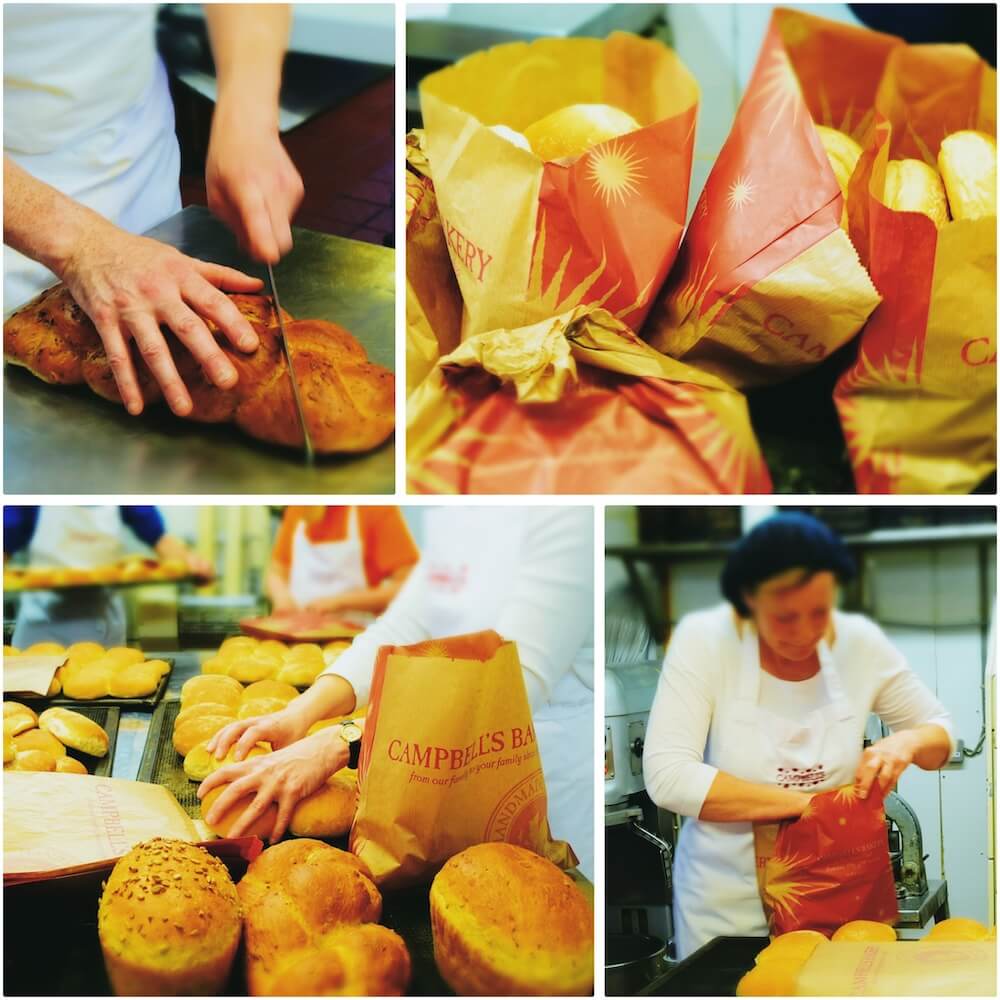
The final stage brings everything together — slicing, bagging, and seeing the finished bread. This is where conversation opens up again, often with a sense of achievement. People talk more freely, reflecting on what they’ve done and sharing the moment with the group.
How English Feels Different Here
What’s noticeable in a setting like this is how the language changes. With attention on the work — measuring, shaping, watching the dough — English becomes easier to access. It’s less about searching for the right words, and more about responding to what’s happening in the moment.
There’s also something else at play. Being in a different environment, doing something unfamiliar, people often step slightly outside their usual role. You’re not the same person you are at home — and that shift makes it easier to speak, to try things, and to stay in the language for longer.
How This Works for Your English
Moments like this might not look like “learning” — but they change how your English works. When language is part of something real, shared, and slightly unpredictable, it becomes easier to respond, join in, and trust what you already have. It’s a very different kind of progress — one that doesn’t come from more lessons.
A Story Unfolds
As we were breadmaking, the conversation turned to the bakery itself, and that Ewan McGregor — who grew up in Crieff — once shared a photo of one of their pies, calling it “the pie of all pies.”
It wasn’t just a passing comment. It was a well-timed post that ended up bringing a lot of attention to the bakery, with the story picked up more widely afterwards.
It was the kind of detail that just comes up in that setting, but one that has clearly stayed with the business. You look at Crieff — and its pies — a little differently after hearing it.
Stories tend to come up naturally in workshop settings.
They’re not planned — they emerge from the place, the people, and whatever is happening in the moment. Because of that, you’re not just following the language, you’re responding to it.

“I’ve always wanted to learn how to make bread, and now I can. It feels like something that stays with you — both the skill and the English that came with it.“
Elisa, 2020
Workshops for Slow Travel
Workshops like this are often the way people begin to understand the place. Instead of moving through as a visitor, you spend time in spaces that are already part of the town — a bakery, a studio, a farm — taking part in what happens there. That changes how the place feels, and creates a stronger sense of connection. You can see more of the places we share during your holiday on our Discover the places at the heart of our English language holiday in Scotland page.
Language Skills Workshops
In a setting like this, the focus isn’t on English itself, but on what’s happening — following the process, asking questions, reacting in the moment. Because of that, conversation becomes easier and more natural. This is part of a wider way of working that runs through our holidays, which you can explore on our How Workshops Support Your English page.

Food & Drink at Blue Noun
Food and drink play a central role in the atmosphere of a Blue Noun holiday. Spending time with producers — in bakeries, farms, and kitchens — opens up the town and the surrounding landscape in a different way. It’s not just about what you eat, but where it comes from and who you meet through it, which creates a stronger sense of connection and belonging. This side of the experience runs throughout our holidays, as you can see on our Food and Drink in Real-World English page.
Further Information
Perthshire Guides
Start Loving Scotland
Our guide pages are your invitation to experience Scotland at a gentler pace: to slow down, unwind, and get curious about places and stories you won’t find on the standard tourist trail, but you will fall in love with on a Blue Noun language holiday.