Where Does the Learning Happen on a No-Classroom Holiday?
It’s easy to say “no-classroom English holiday”, but what does that actually mean? Where does the learning happen?
Blue Noun does have a physical home: the Blue Noun Hub in Perthshire. It gives us a base to work from — somewhere to meet, talk, prepare, reflect and give focused attention to your English when that is useful.
But your English holiday doesn’t stay there.
A Blue Noun language holiday moves between our space and the places, people and experiences around us. The question isn’t where is the classroom? but where will your English take you today?
A Different Way to Describe a Holiday
Yesterday, responsible travel writer Genevieve White challenged her newsletter readers to look at their accounts to find the stories they hold.
Here’s the story of a single private language coaching holiday, as told by my bookkeeping.
About the Guest Experts We Share
Pronunciation Coaching
A two-hour workshop with pronunciation coach Jennie Reed. This workshop took place in her home, where she welcomed us and shared coffee and chocolates. After the workshop, we shared lunch (salad Nicoise) and news. Jennie’s pronunciation workshops give clarity and confidence for the long term.
A Guided Conversation (plus question answering)
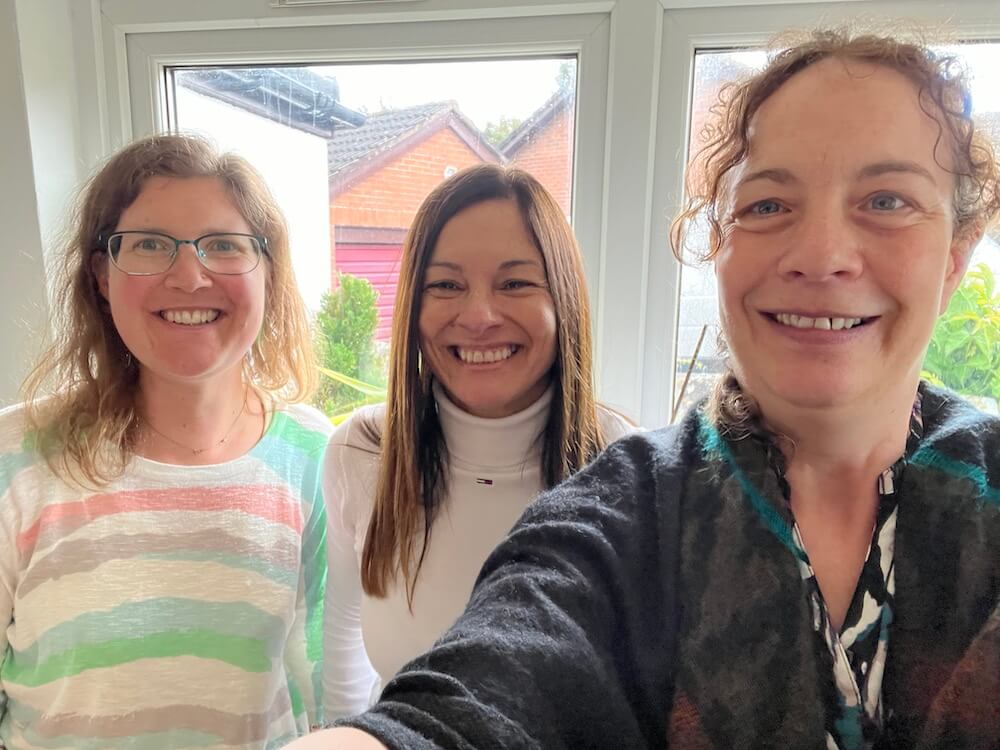
A morning of guiding by Jen Newall, a friendly scientist and nature advocate who uses song and storytelling to share different parts of the landscape and community.
This was the day of crazy rain, so instead of our planned walk, we piled into the car to share the story of how a local WW2 army camp has been repurposed into housing nearly a hundred micro-businesses.
Every single business has a story, and the community collaboration that led to it is exemplary. A visit to Cultybraggan leads to conversations about community, business and repurposing.
Part of the purpose of tis meet was to practice (and be coached on) answering work-related questions.
(On the same morning, we took a yoga class together, later discovering that the croissants we ate in Edinburgh came from our yoga teacher’s baking business based at this camp).
A Question Workshop
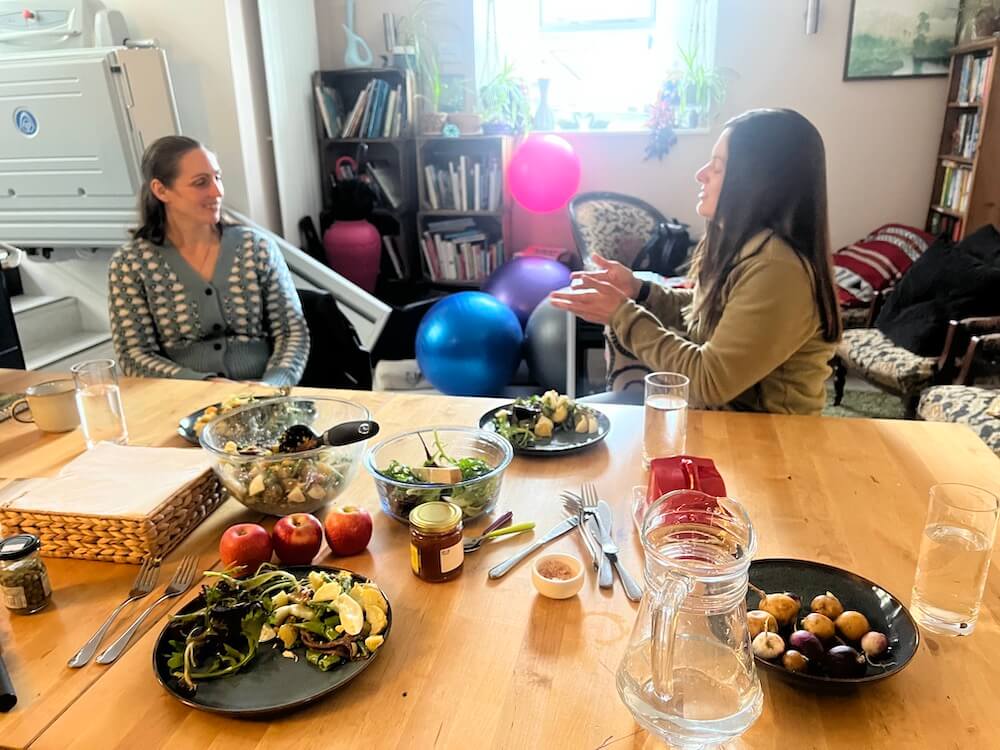
An evening meal and workshop with local writer Hazel Bray, who has a remarkable job that I invite her into my groups to share. Her work is a way of discovering the landscape from an unusual perspective and, I promise, it’s memorable. I usually use Hazel to coach question-asking around, as it is so much easier to answer questions than ask them.
An Edinburgh Encounter
An afternoon exploring Edinburgh, including the Edinburgh College of Art Degree Show, with Charmaine Stewart, a prop maker for TV and films, who shared the technical techniques behind some of the exhibits.
Again, Charmaine’s job is varied and interesting. It takes good questions to understand it, and once you begin asking, you want to hear more. Charmaine is also a former City of Edinburgh horror history guide, so as we walked around she could share quite a few gory stories about the buildings we passed.
→ Learn more about how we share Edinburgh on a no-classroom English holiday
About the Accommodation We Share
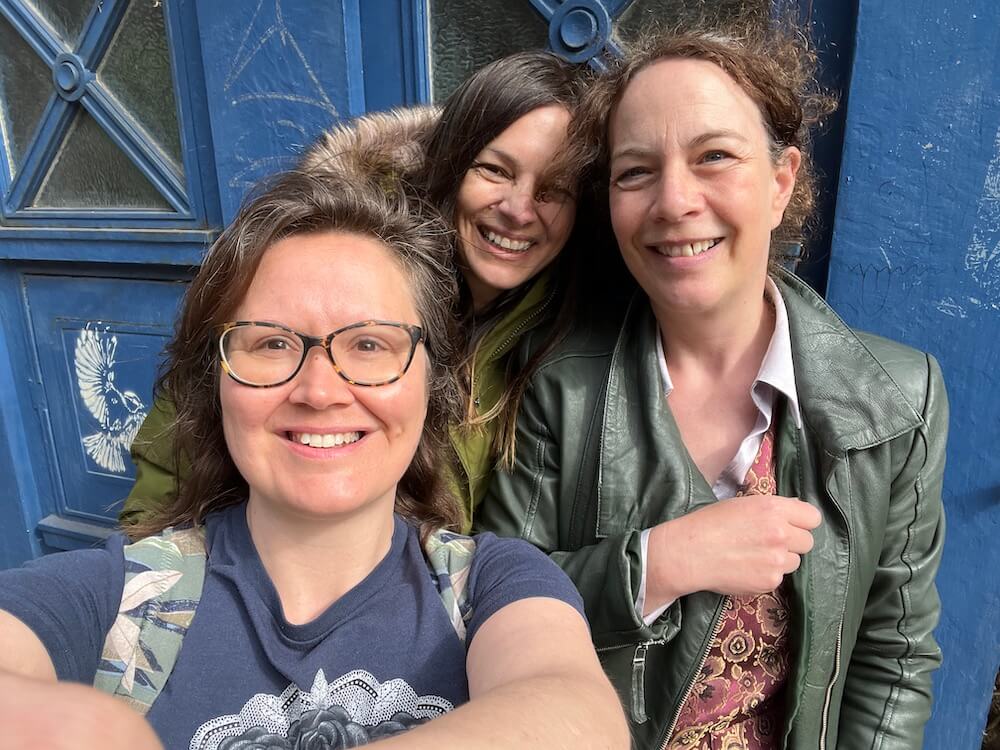
For this holiday, I paid Dawn, a local homestay host who shares her immaculate and lovely home.
There are woodpeckers on her bird table that you can watch during breakfast, a private bathroom, and she waited up to make sure her guest got home safely on the night we went beaver watching.
I don’t pay my homestay hosts a fraction of what they are worth.
Their kindness and welcome hold your English like nothing else.
My hosts share their home because they love getting to know my guests. It’s travelling without going anywhere.
About the Travel We Share
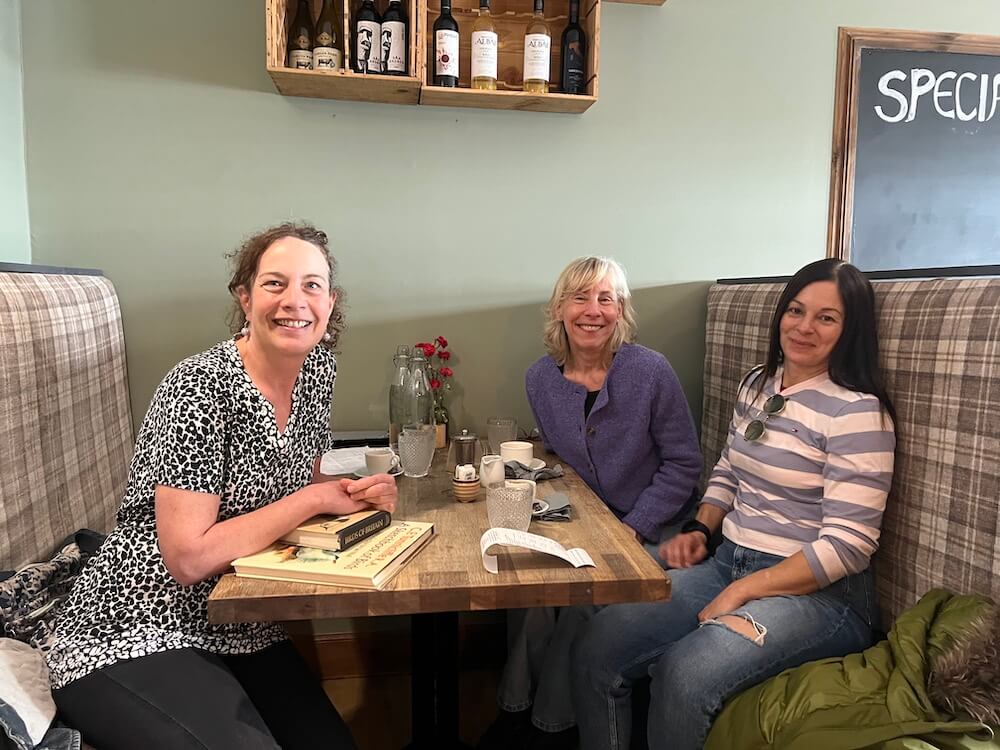
I have ferry and bus tickets for the trip to Tobermory on the Isle of Mull.
I have airport receipts for pick-up and drop-off, where, excitedly, we met and sadly promised to meet again.
I have petrol receipts for the car that took us to so many interesting places.
See How Activities, Homestays and Workshops Fit into the Bigger Structure of a Blue Noun English Language Holiday

For a fuller look at how excursions, conversations, workshops, hosts and teaching support work together, explore:
About the Food We Share
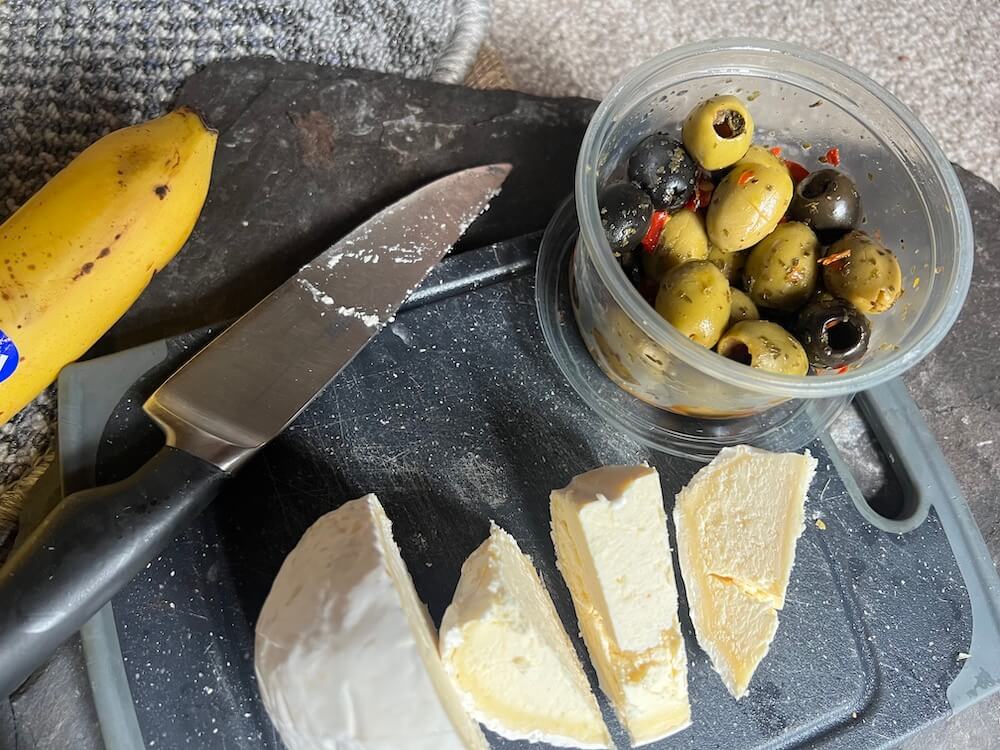
I have receipts from the delicatessen, and one for fish and chips.
Blue Noun don’t pay for every bit of food over the week, but we do buy things to share and things to try.
A beautiful, soft Irish goat’s cheese. A chicken tikka pie from the Pie Maker.
Plus, I reward people’s time with generous invitations to food and drink too.
You speak to many more people in casual conversations than I set up, and I make sure there is tasty food as a reward.
Much of it I make myself, but I share food that is exciting too.
I bought smoked salmon in Tobermory, which I will soon share with some of the people who make my holidays possible with their friendly smiles.
This reward doesn’t mean their kindness is fake.
I know who loves travel and is curious about meeting people. But they add value to my business in ways that are not financial, and I pay them back in ways that show gratitude.
I have a receipt for the organic veg box that I get every Friday from Tomnaha’s Market Garden.
It means we have tasty salads with our meals, delicious ingredients to cook with, and food to explore too. I can’t make the same meals every week. We need to interpret the veg box. React to it.
Within that is a beautiful invitation to use language for making suggestions.
It works with a veg box, but once you understand the nuances, it works in a boardroom too.
→ How We Share Food & Drink on Our No-Classroom Holidays
About the Activities We Share
I have receipts for our visit to Doune Castle and Argaty Red Kite feed.
The castle… well. because it’s a castle –they are great immersive places).
The red kites, because they slow down time and invite you to watch silently, listen closely and care.
Caring is belonging. That is the invitation your second language is waiting for.
On this occasion, it was the farmer who gave the presentation, and we learned a lot of details about this conservation farm, as well as the birds and their reintroduction programme.
Field Notes | Argaty Red Kites
I’m sharing this short video to show the invisible happening.
Yesterday we visited Doune Castle, Deanston Distillery (and its mill-worker village) and walked the banks of the River Teith looking for wildlife.
We then watched the red kite feed at Argaty Farm, in a wooden hide, hearing the story of the farm’s journey from a working farm which wildlife visits, into a working farm which creates safe spaces and support for endangered species, and habitat for all creatures, modelling all that is possible for a large farm to do.
We ended the day with fish and chips beside a log fire, coincidentally watching a farmer count sheep (every time he turned his back, one moved around to be counted twice).
It all sounds like a nice day out; I agree.
The invisible part is the language work.
My holidays are not sightseeing but curated experiences that move through conversations, gentle language coaching and deep work on feeling good using your English voice.
Every diverse experience is a space to build language (and language experience in).
That doesn’t mean we need to talk every second.
It means we enjoy witnessing nature and landscape in silence, then convert our meandering thoughts into words.
I use a notebook and a sketchbook to do this, and daily reviews (so your brain can let go).
Yesterday, we talked about the impossibility of capturing what it feels like to witness the bird feed with a camera. You end up with nice photos of red kites, but so what, if you miss the way they turn in the air, and let the experience be about capturing rather than being a witness.
We collected these three words for our notebooks.
And I made the video to share the invisible: what it feels like to be here, and how English is woven through.
Workshops
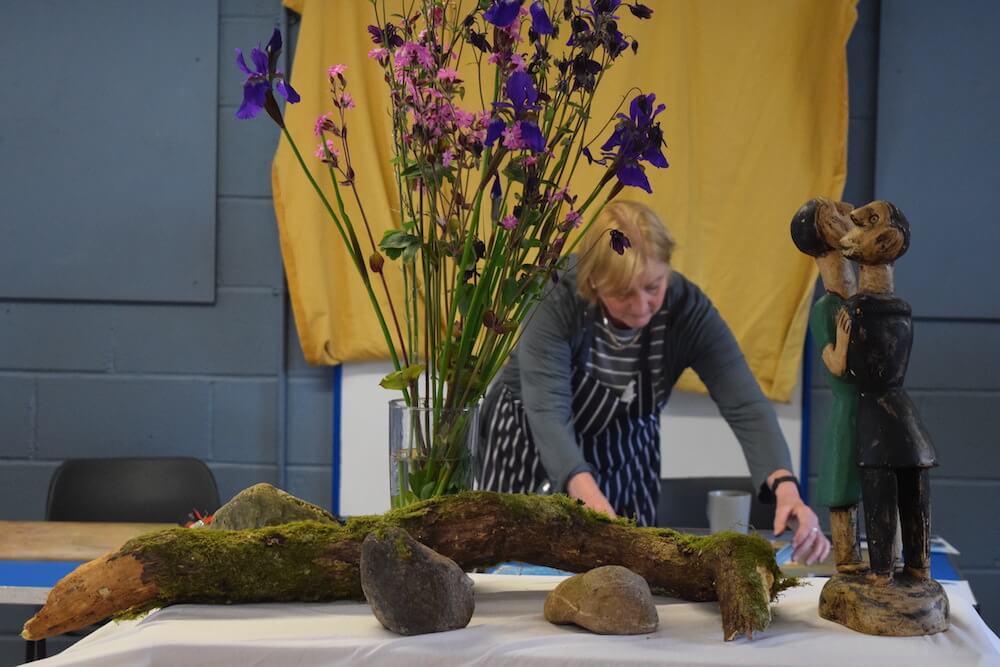
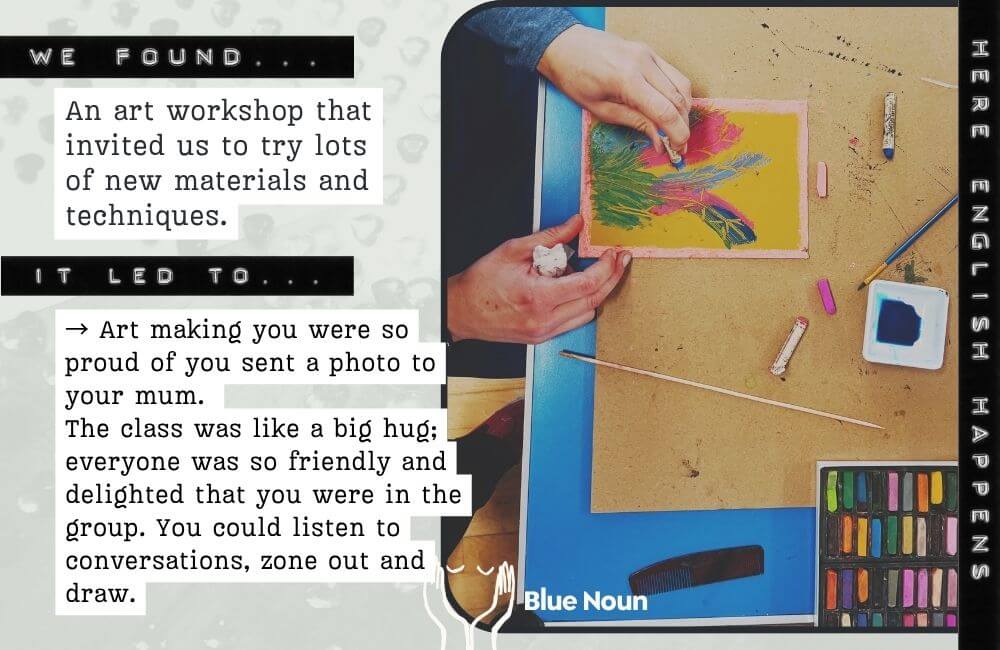
This holiday, we joined an art-making workshop led by local artist Liz Kemp. It was a full day of drawing techniques and material demonstrations (some of which I’d never even used before)
We were welcomed into the group, where people asked questions naturally, delighted to be joined by someone new, and with culture to share. I try to arrange for my guests to join in a local workshop (one that is happening anyway, rather than me hosting one – which I also do), because that’s living, happening language with visual support, but not designed to be for language education. Its reall world expereince in a safe, controlled (and often very empowering) way.
Field Notes | How the Language Work Happens
A Blue Noun Field Note
My Blue Noun Field Notes make visible some of the language work that can be difficult to see on a no-classroom English holiday.
This one came from a community art workshop. There was no English lesson happening, but there was an enormous amount of English around us: instructions to follow, materials to ask for, people chatting, jokes, questions and conversations that our guest could move in and out of while she worked.
That freedom matters. She could listen for a while, join in when she wanted to, zone out and draw, then come back into the conversation. Meanwhile, she was making something she felt proud enough of to photograph and send to her mum.
So where does the learning happen when there is no classroom?
It happens here — inside real experiences where English has a purpose, but doesn’t have to be the only thing demanding your attention.
Future Resources
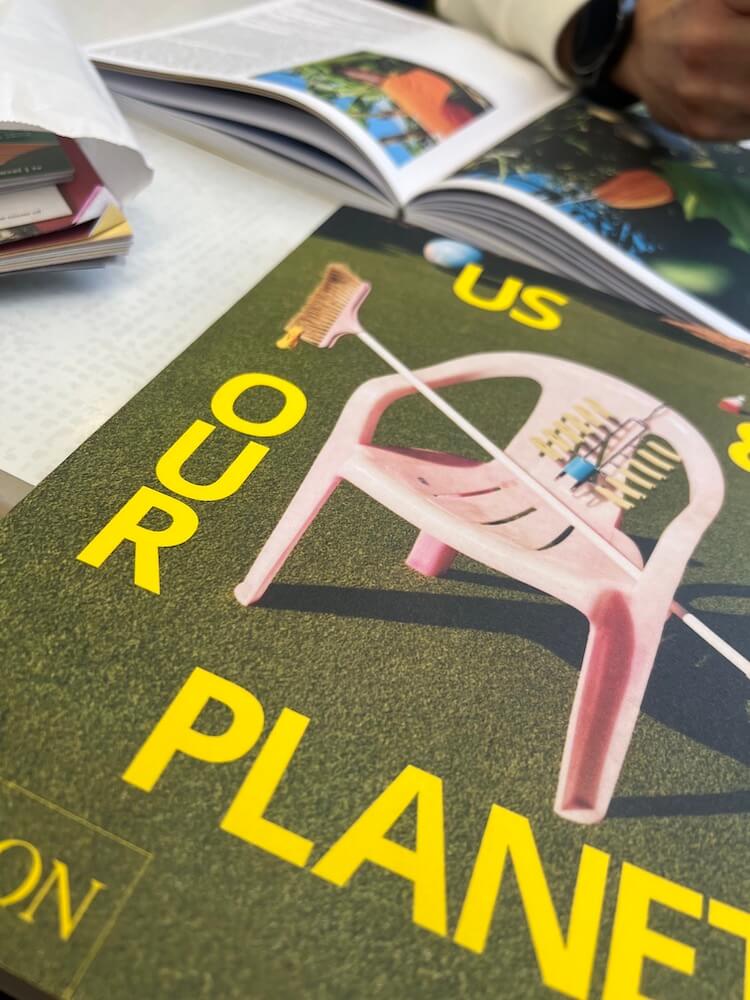
I have a receipt for two identical books I bought in the Dovecot Studios bookshop. I am constantly looking for fresh source material to lead classes from, and this one is a belter. Design, stories, and environmental thinking in a book that’s lovely to hold.
We don’t read anything that feels like a lecture. We read things that make you curious to turn the page.
Pricing
Blue Noun holidays compete on price with city-based holidays that put you in a classroom and board you in dreary lodgings.
I know which one you get more value from. Let me know if you agree.
About Real World English Coaching
This holiday is just one example. If you’re curious about why I build holidays this way, and how language growth can happen through experiences rather than lessons, you’ll find more here:
Is Blue Noun the right kind of English help for you?
People come to Blue Noun with very different English needs. Some are struggling or stuck. Some want more confidence, expression or direction. Others already enjoy using English and want to take it somewhere new.
Further Information
→ Learn What is Included in a Blue Noun English Holiday.
Get our help choosing your next language holiday.
→ A Practical Guide to Choosing a Language Holiday