
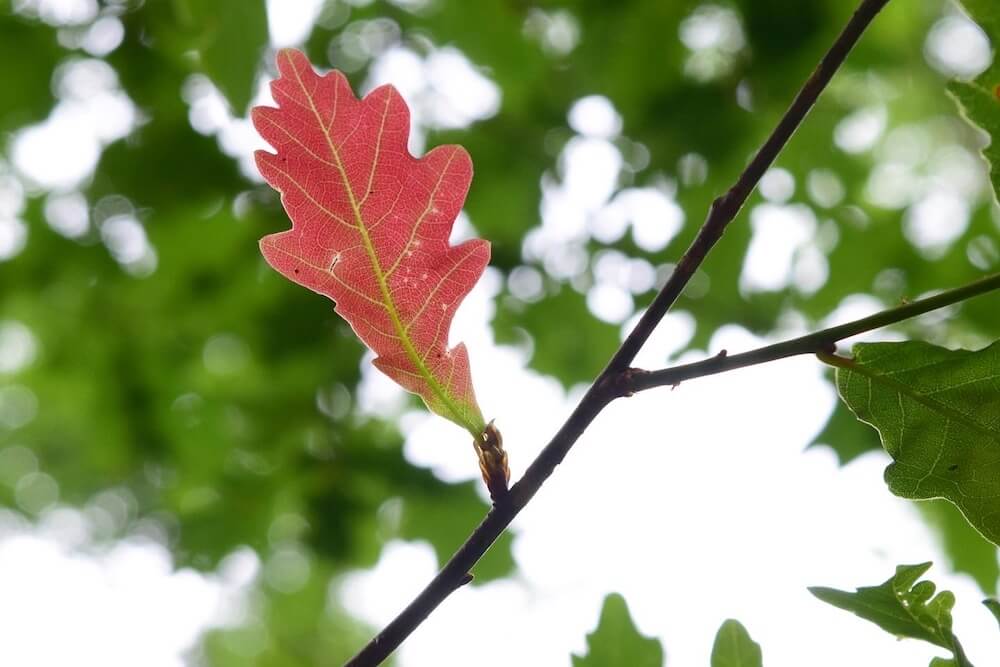
Pause for Autumn
In autumn, we deliberately turn the pace down.
Our September and October holidays are an invitation to experience the season rather than watch it disappear while you’re busy doing something else.
We go looking for the things that make Scottish autumn worth noticing: changing woodland, migrating birds, seasonal food, historic places, traditional crafts, time on the water, unexpected wildlife encounters and the particular light and weather of the season.
And we give those experiences time.
The same principle applies to your English.
If you’ve spent years being pushed towards more vocabulary, more grammar and the next level, this is an opportunity to explore something different: what happens when you give yourself time to use and become more fluent with the English you already have?
English isn’t separated from the experience. It’s in the conversations, questions, stories, encounters and discoveries we make along the way.
Instead of resisting the season, we go looking for it.
We pause to love it.
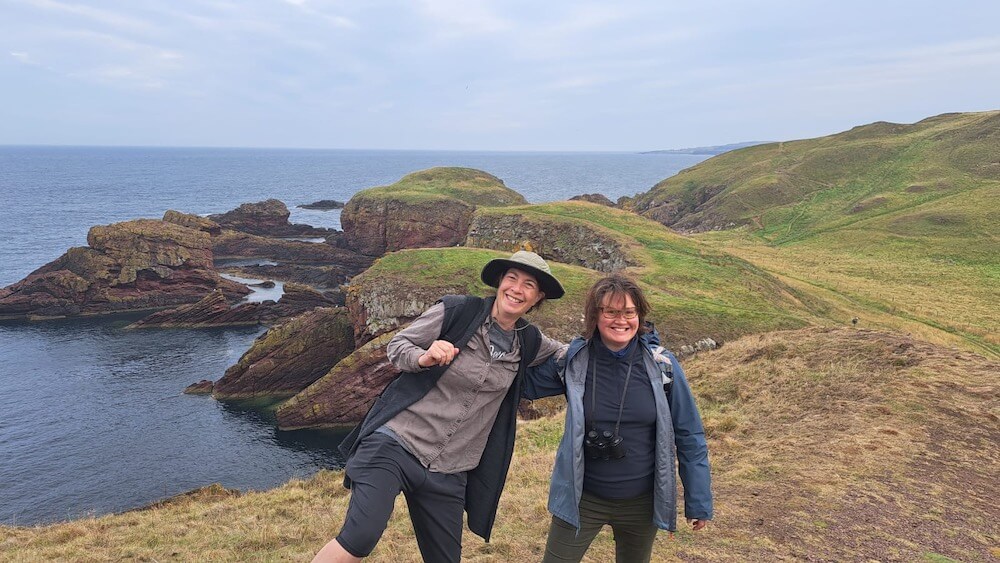
Why I Built Something Different
For years, I taught English in city classrooms — but I stopped believing the results were lasting.
Too often, the classroom environment felt like a pressure cooker. Students confided their fears, but I had neither the time nor the tools to truly address them. Instead, there was pressure on me to push students through a pre-sold course with specific “progress markers.” None of it helped the person feel good.
Any confidence they found in lessons faded once they walked out the door.
I knew there had to be a better way.
That’s why I returned to Scotland and began creating holidays that combine real-world encounters, conversation, and coaching.
Learning outside the classroom takes away the pressure — and builds confidence that actually lasts.

Making English Memorable
Pause for Autumn
In autumn, we move even more slowly through English than usual.
Our September and October holidays aren’t intensive language encounters.
They’re slow travel holidays with a touch of English coaching.
Our September and October holidays deliberately turn the pace down. The English isn’t separated from the nature, culture and landscape: we use it while walking, exploring, meeting people, sharing stories and simply being.
The priority is not how much you are “learning” in the classroom sense, but how much you are relaxing into English.
And the craving to be outside, open-hearted to the season, is our fuel.
Autumn gives us the colours, the weather, the atmosphere, and we turn that into conversation, reflection, and memorable English moments.
Instead of resisting the season, we go looking for it.
We pause to love it.
And in the process, English becomes something you live — not something you chase like a greyhound after an electric hare, never to catch.
The Autumn Recipe
So what does pausing for autumn really look like?
It’s simple things, layered together until they become something unforgettable:
-
Walking in rubber boots along the shoreline, watching the pebbles roll in the waves.
-
Heading into the hills on clear days, breathing in the sharp, endless air.
-
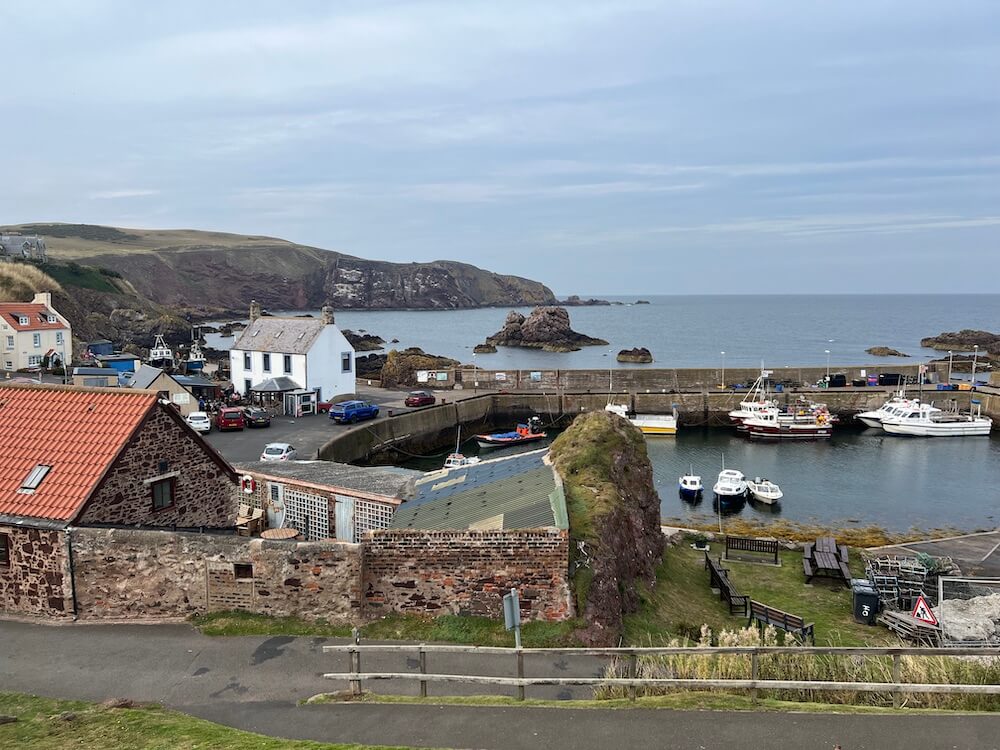
Wandering small harbour towns on wet days, warming up with coffee and cake.
-
Stepping into museums and artist studios, seeing Scotland through the eyes of the people who capture its light and colour.
-
Warming through in our local woodland sauna after time outdoors, feeling your body relax as much as your mind.
-
Journalling workshops that tie the day’s landscapes to your memory and your language, so the experience stays with you long after you leave.
It’s a holiday filled with balance: nature, culture, and reflection — with English coaching gently woven through it all.
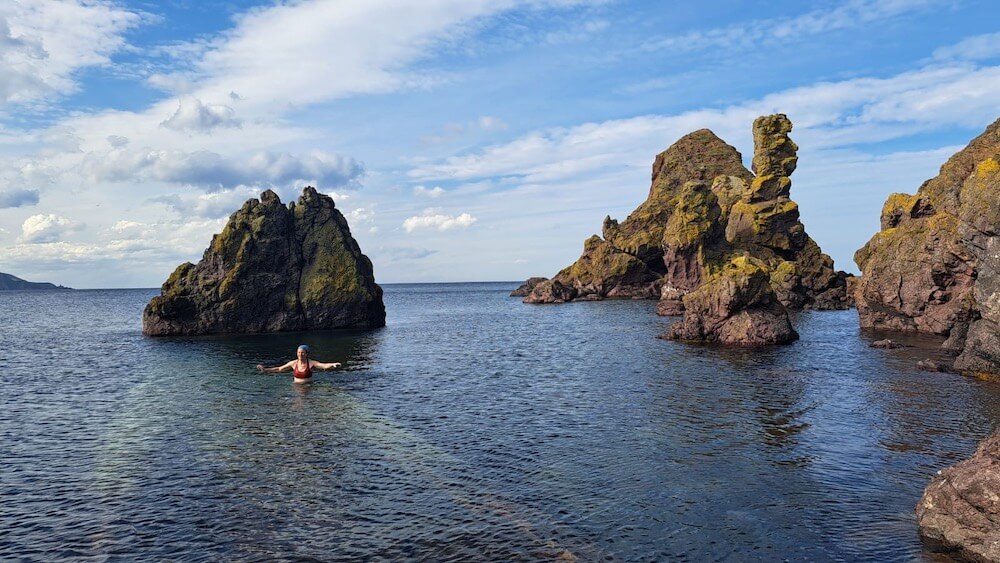
How This Helps Your English
I know what some people are thinking: but isn’t learning supposed to be hard?
We’ve been conditioned to believe that progress comes from classrooms, drills, even a bit of suffering. So when learning feels easy, smooth, even enjoyable — we get suspicious.
Education is riddled with beliefs we take for granted without ever questioning them. And those beliefs can quietly hold us back.
You can end up imposing limits on yourself that don’t need to be there.
But enjoying English doesn’t mean you’re not improving.
Behind the scenes, I’m listening closely — noticing your patterns, the gaps in your grammar, and what you really want to say. Those moments on a walk, in a café, or at an artist’s studio give me the best insight into your language and the chance to shape it with accuracy.
This isn’t about forcing progress.
It’s about living English until it belongs to you.
I'll inspire you
I’m the creator who investigates what’s necessary to get you a language transformation and says, what if.
I can protect you
I know how to be a buffer to the frustration and angst you have picked up in your years of English learning and using (and guide you through).
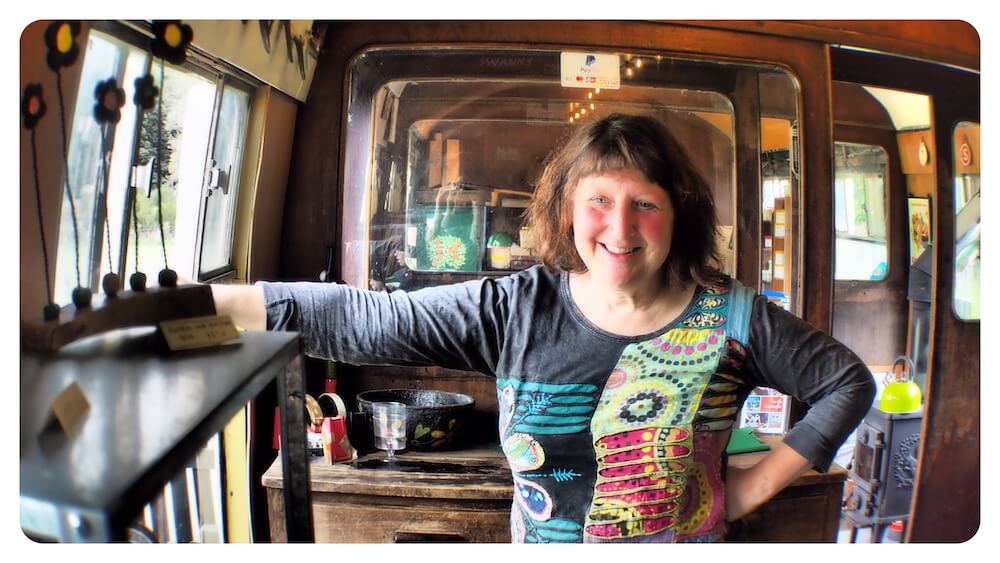
Much ‘Normal’ Language Education is Less than Ideal
Imagine an adult language learner who has never been given time to think, whose answers are always policed (corrected), and if they don’t answer quickly, someone speaks for them.
That’s a terrible system in my opinion.
Lizzie Hug, speaking at the Gathering, 2026
How Did Your Mainstream Language Education Feel?
English teacher Lizzie Hug explains what normal academy language education is – and how it fails learners during her presentation at The Gathering, a meeting of female language educators.

Where This Thinking Has Taken Me
I keep coming back to the same idea: perhaps slowing down isn’t the opposite of progress.
Sometimes it’s what gives us enough space to notice what is already there.
That’s increasingly shaping Experience English: Autumn Moments, my September and October Experience English holiday. I’m exploring what happens when we deliberately make more room for the season — for changing landscapes, wildlife, seasonal food, art, traditional ways of making, books, conversations and those unexpected moments you couldn’t have put on an itinerary.
And I’m interested in doing something similar with English: not always asking what do you need to learn next?, but giving people more opportunities to explore and become fluent with the English they’ve already accumulated.
It feels like these two ideas belong together.
Further Information
Want to see what slow travel looks like in practice? This visit to Loch Earn is a small example of how we experience a place at Blue Noun — taking time to notice what’s there, follow our curiosity and let the place itself shape the experience.
Perthshire & Walking Guides
Why Choose Perthshire for a Language Holiday in Scotland?
Walking on our English language holidays
Walking is a central part of our English language holidays in Scotland, creating space for conversation, reflection, and shared experience.
If you’d like to understand how walking fits into our approach — from mixed abilities and local knowledge to why movement supports confident, real-world English — you can explore it in more detail here:
→ Walking in Scotland on our English language holidays