

Your English has a Reset Button
Here at Blue Noun, we’re increasingly fascinated by the reset button.
When you sauna, you go from someone protective of their heat and comfort to someone happy to climb into an icy bath in just 20 minutes. And although that urgency fades, do it regularly and you begin to eye water differently — as if it’s an option.
Last week, I picked up a cornet and blew it for the first time in my life. As a result of the group creating that invitation, I signed up for a seat in the local beginners’ brass band.
I’ve studied goal setting, and how to coach people through sustainable growth, progress, and clear, achievable goals. But in language, too often these are treated as the starting point, when they are actually paths.
There are things happening upstream that determine whether a path is the right one. If they’re not addressed, pushing forward can lead to extra discomfort, anxiety, and a sense of failure — not success.
There are plenty of good options designed to keep busy, sensitive adults on track with learning: motivated, consistent, progressing. That’s valuable work. But for many people, English is a low-level discomfort they’ve simply got used to. They function around it. And sometimes it’s more useful not to push forward, but to work sideways — repairing the relationship, not further straining it.
Changing how English feels is a valid language goal.
Choosing to Feel Differently
Yes, you can push through ignoring and masking discomfort for years. Many people do.
But there are also options to realign, let go, and find some joy to build on.
That’s the part I’m truly good at.
You don’t need to decide the future of your English to take a step. Choose simply to let it become comfortable again, and the right path becomes clearer.
There are many ways this can happen. Through exploring nature, crafts, conversation, and culture, English starts to sit differently in the body.
→ How English is Designed for Calm, Confident Use
From that shift, people often go on to choose things they couldn’t previously imagine — from wanting more lessons to stepping into public-facing, English-speaking roles.
A sauna changes how we meet water. It resets our relationship to it.
Leading with solutions is like tossing icy water at people without that reset. We live in cycles of suppression and coping so familiar that we rarely stop to question whether they’re the right way.
My cornet moment proves that an intervention can be much gentler — and just as effective.
It can be as simple as time and space where it’s safe to let your guard down, welcome new experiences, and follow what feels good — supported by people who love the thing they’re sharing, and who know how to guide you through the phases where sounds you don’t yet enjoy slowly become sounds you do.
Learn Differently
Improving in English doesn’t have to mean returning to a classroom and fixing weaknesses.
Your next step could involve conversation, travel, creativity, pronunciation, fluency, specialist coaching, cultural immersion, deliberate study—or some combination in the right order.
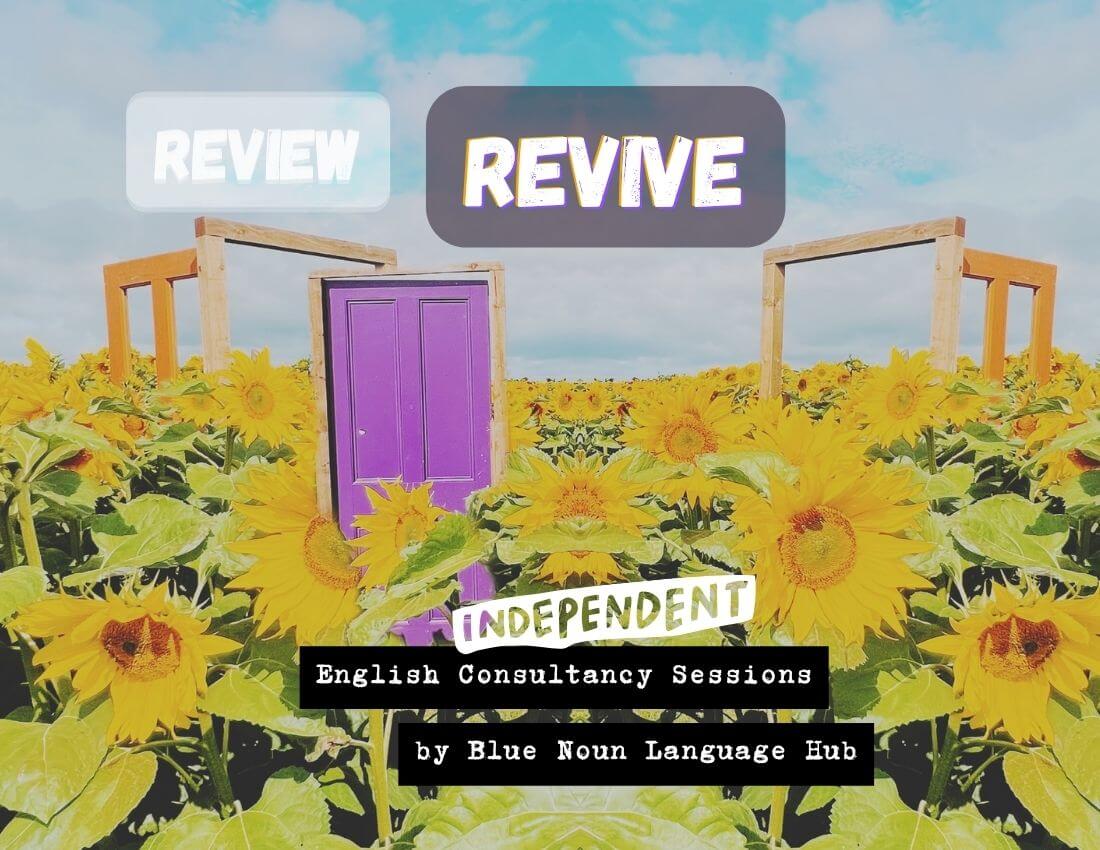
If you know you want to change something about your English but aren’t sure what kind of help to invest in next, this is exactly the gap our Review & Revive sessions are designed to fill.
You might be considering another English course, looking for a private teacher, wondering whether you need more grammar, or trying to choose between pronunciation, conversation, fluency work and the growing number of specialist options available online.
The difficulty is that almost everyone you encounter is understandably offering the thing they do — while very few people are helping you step back and look across the whole landscape.
A Review & Revive session is a mini intervention before your next big English-learning decision. We look at your language-learning history, what you want your English for now, what has and hasn’t worked, and where you feel strongest or most vulnerable.
Then I help you turn that into clearer priorities and a much more useful brief for the kind of support you should be looking for.
The aim isn’t to decide the entire future of your English. It’s to find a positive next step that makes the step after it easier — and starts building momentum again.
→ Get help deciding what your English needs next with a Review & Revive session
New Language Terms Can Help
We’ve created a small dictionary for how English feels, to help people recognise what’s happening, why it happens, and what helps.
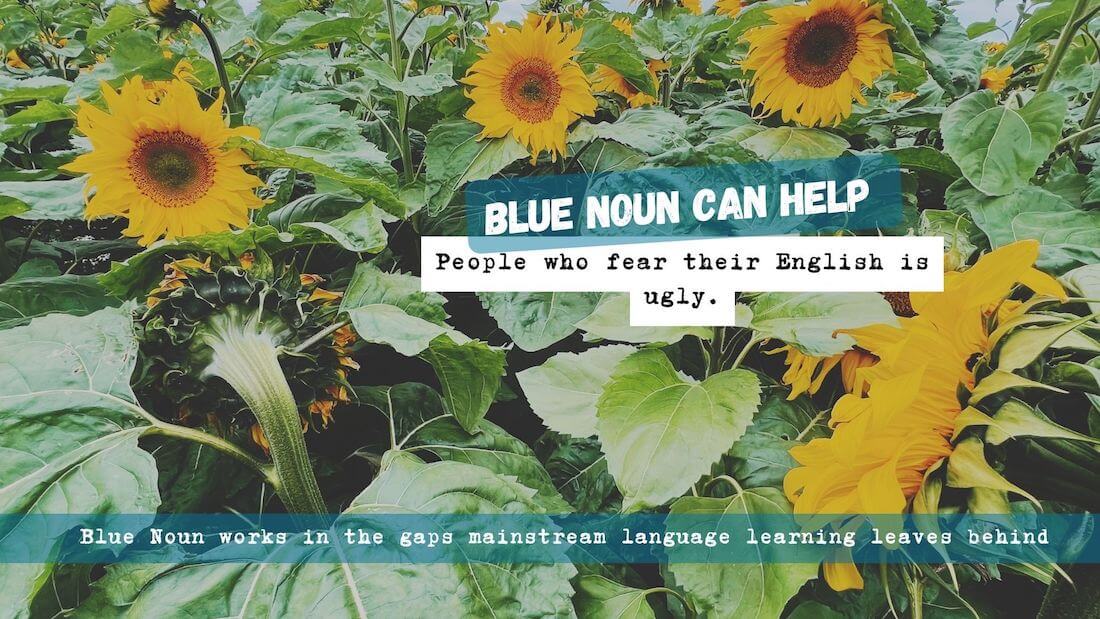
If you fear your English is ugly, being asked to speak more can feel like being asked to expose more of it. Our English Amnesty holiday takes things slowly, giving you just one language coach, plenty of space and silence, and no pressure to meet our community until you feel ready.

Understand Your Language Learning Mix
There is another way of understanding why changing your approach can change how English feels.
A balanced language-learning mix has four strands: meaning-focused input, meaning-focused output, deliberate language-focused learning and fluency development.
If years of learning have given you much more of some strands than others, changing your language-learning mix can make the English you already have feel very different to use.
Understanding your learning mix is powerful. It can reset how you feel about English.
Next Step for English Guides
Help Positioning
If you feel stuck, frustrated, or worn down by English, start with recovery.
Before strategy or decisions, focus on rest, steadiness and emotional reset. When you feel regulated, direction becomes clearer.
→ Help with English — Where Steadiness Comes Before Strategy
Help to Ensure Your Choice is Good
Already close to choosing?
Pause briefly before committing your time, money and energy. A few focused questions can help you confirm that your next step genuinely fits.