

About Feeling Judged
Last night I was invited out with a local group to visit the community woodland they tend and write poetry.
One member shared a few easy poetry techniques we might be inspired by, and we each went off alone and wrote.
I wasn’t sure what I would produce, or if I would find anything, as translating nature into words isn’t where my usual creativity lies, but I settled into a spot by a stream and allowed my body to relax, my mind to drift, and words flowed.
They flowed so fast I could hardly keep up, and I was proud of my results. Really proud that I had found a zone with writing (I’m normally a visual creative).
In 15 minutes, I wrote five short, quirky pieces that I liked.
We then shared our writing in small groups, moving on to collaborate on fast-paced collaborative pieces to see if we could build together.
It was in this process that someone pointed out my spelling mistake.
(It was ‘autumn’ which I know perfectly well how to spell, only when I write fast I tend to smoosh the ends of words into a scribble without definition, so he was helpfully telling the whole group to add in that last n.)
I’d been held by the woodland. I’d found a flow as fast as the stream beside me.
I’d read out loud to people I hardly knew. I’d found creativity I didn’t know I had, and this one “neutral” observation landed like an order to get back in my place: I felt stupid for having tried and my weakness exposed.
This observation shut me down from being willing to share again, including from further collaboration.
I felt danger where I had felt safe (and that’s the worst, when you have let your guard down).
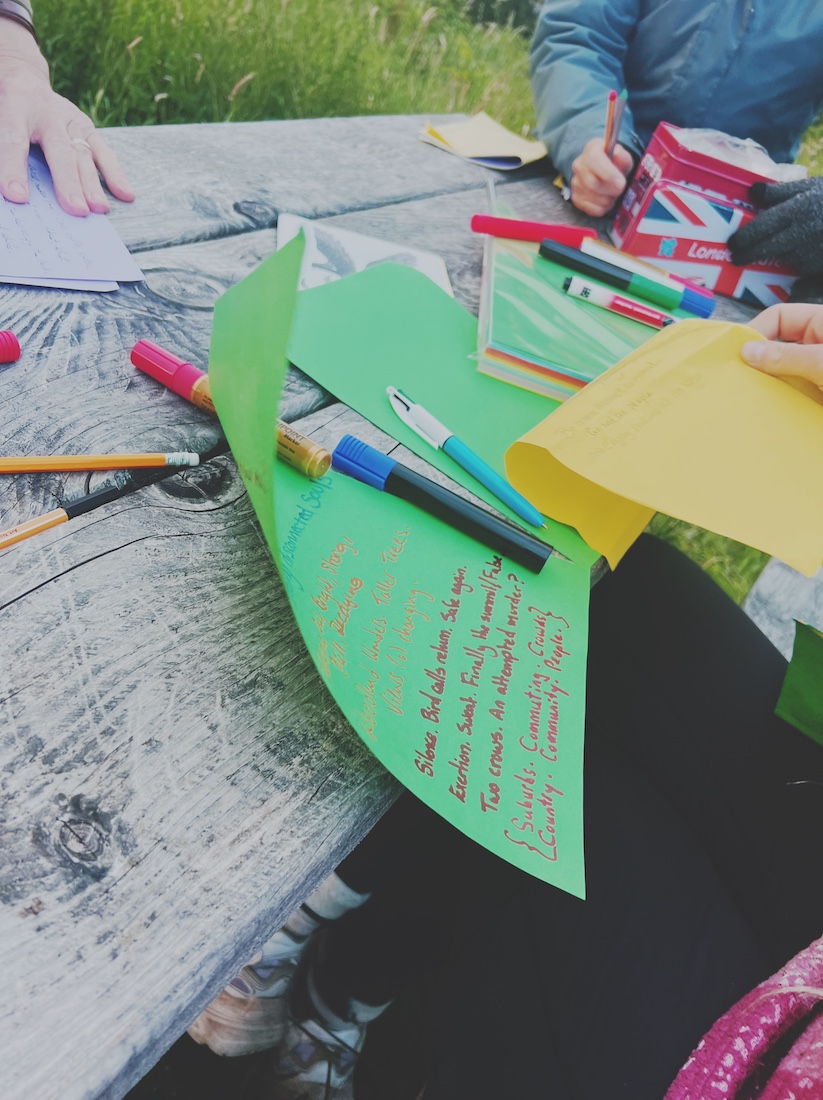
I was reminded:
→ This is how the people I help with their English feel so much of the time.
It is truly normalised in language education.
→ Most people learn in systems that are not listening to what they are saying, just how they say it.
They sit poised, waiting to be corrected.
→ They have continually been invited to ‘experiment’ surrounded by people who considered it helpful to point out errors.
Most language learning has trained people to answer in good English, not to pause and seek the truth from their heart, for fear of messy language.
How Did Your Mainstream Language Education Feel?
English teacher Lizzie Hug explains what normal is and how it fails during her presentation at the Gathering – a meeting of female language educators.
→ Read More about the Gathering
Imagine an adult language learner who has never been given time to think, whose answers are always policed (corrected), and if they don’t answer quickly, someone speaks for them.
That’s a terrible system in my opinion.
Lizzie Hug, speaking at the Gathering, 2026
A Different Way to Learn English
As a language school, we ask:
→ People are different: what damage is error correction doing to the personalities who flourish under a different kind of support?
→ If you are working on error correction, what is the cost? (What is not growing instead?)
We are certain that many of the beautiful moments we create would not feel permitted to happen if our guests felt judged or exposed.
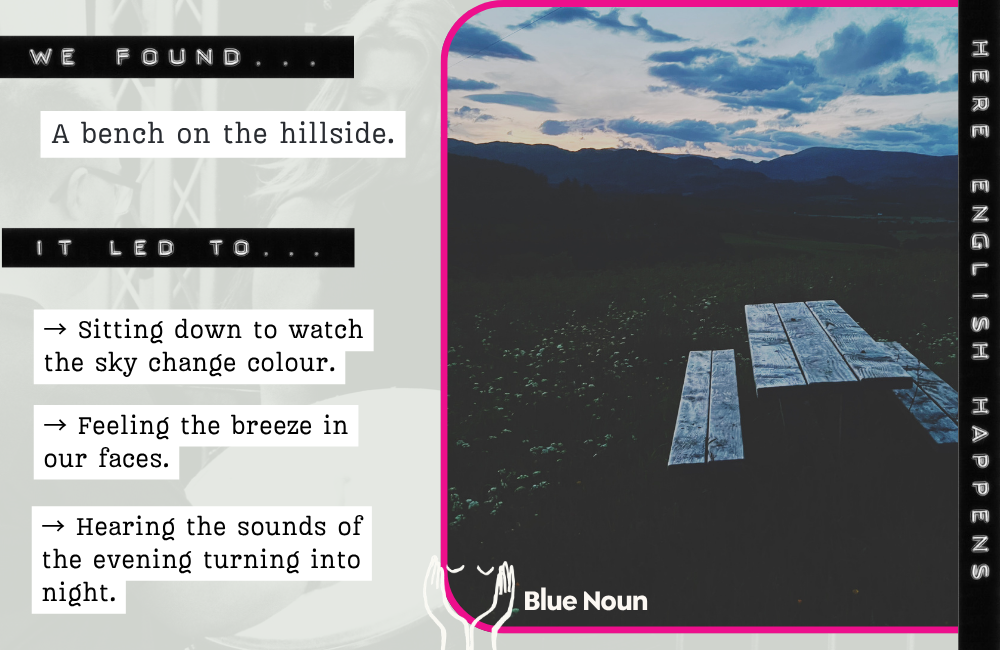
Will My English Be Judged on a Blue Noun Holiday?
Not critically by me, although I need to learn how to best support you.
But let’s have a quick look at what might be going on in your head, because there is a good chance your English learning journey has looked like this so far:
People can spend years in environments where mistakes are consistently highlighted. Over time, they begin to believe that their English is fundamentally flawed. Eventually, every sentence they speak feels loaded with mistakes, whether it is or not. Every success carries a shadow of failure. They remember the article they missed, not the conversation they had.
The preposition, not the presentation.
Gradually, they conclude they are still not good enough.
From there, many either give up using English altogether or keep paying for more correction, believing that’s what they need.
In this case, you may be in a cycle of judging yourself.
Because of this history, many Blue Noun language Holidays offer a unique amnesty from this sort of language support.
→ See an Illustration of this Vicious Cycle in Language Learning
People who believe their English is fundamentally flawed make different decisions from people who believe their English can connect them to people, places and opportunities.
A Language Teacher Will Support without Judgement
Sometimes we need to make decisions based on your level, confidence and abilities.
These are some of the invisible skills a good language teacher has:
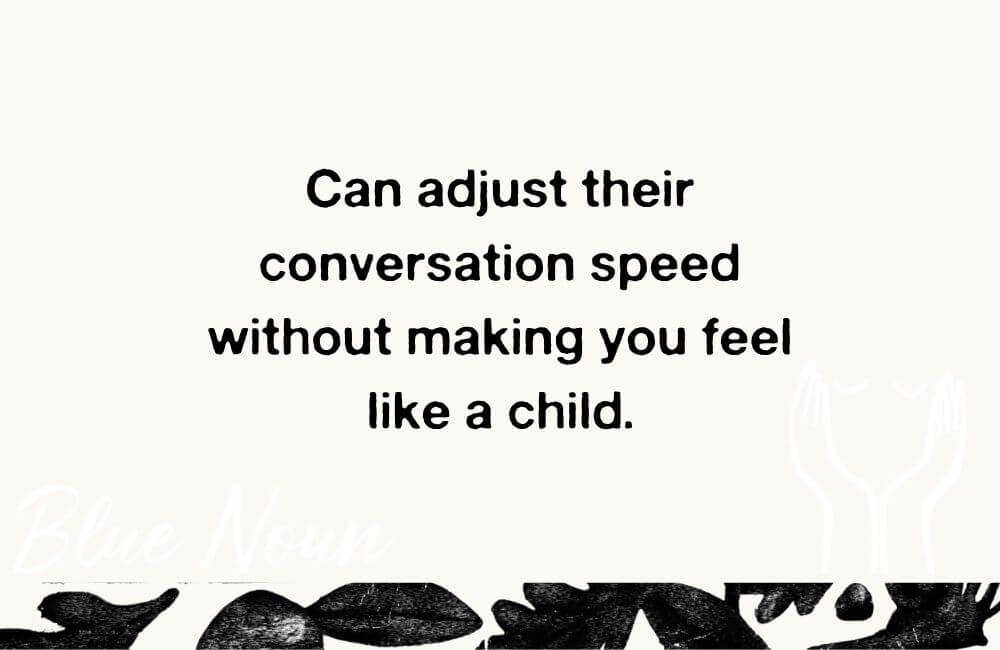

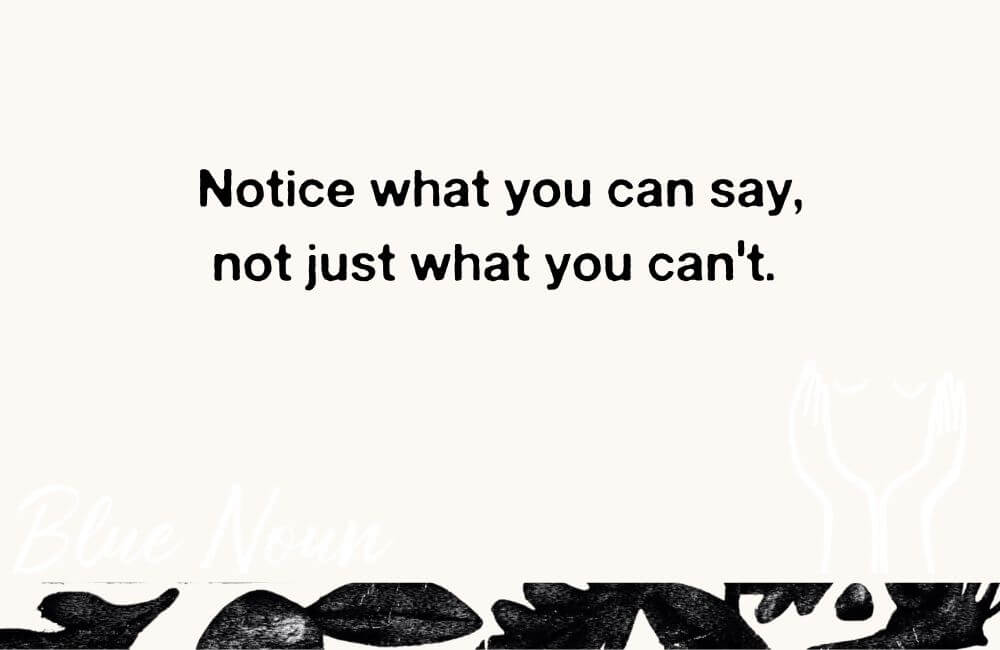
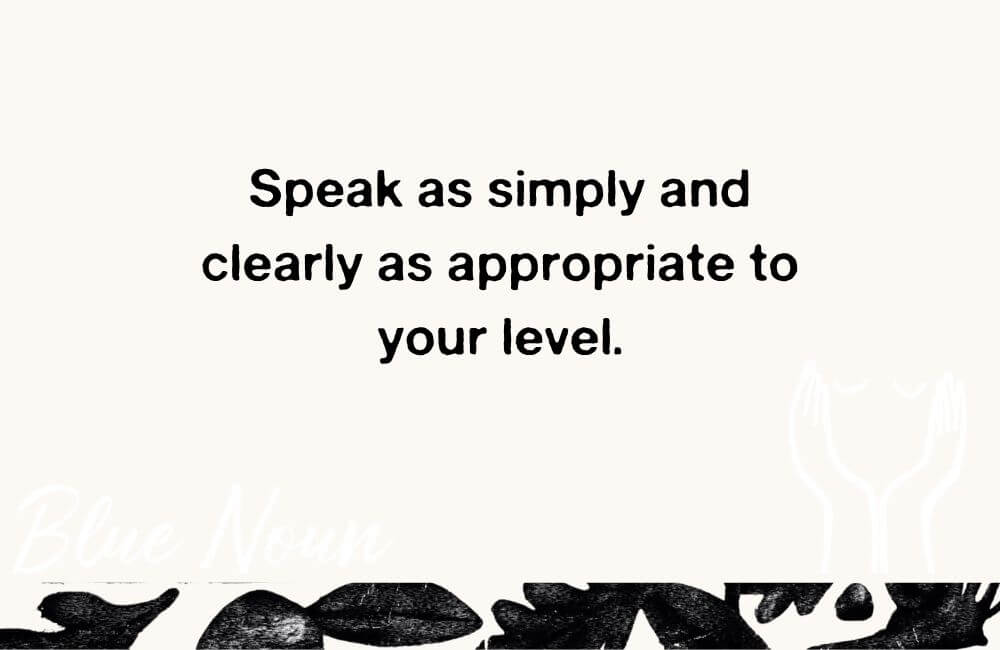
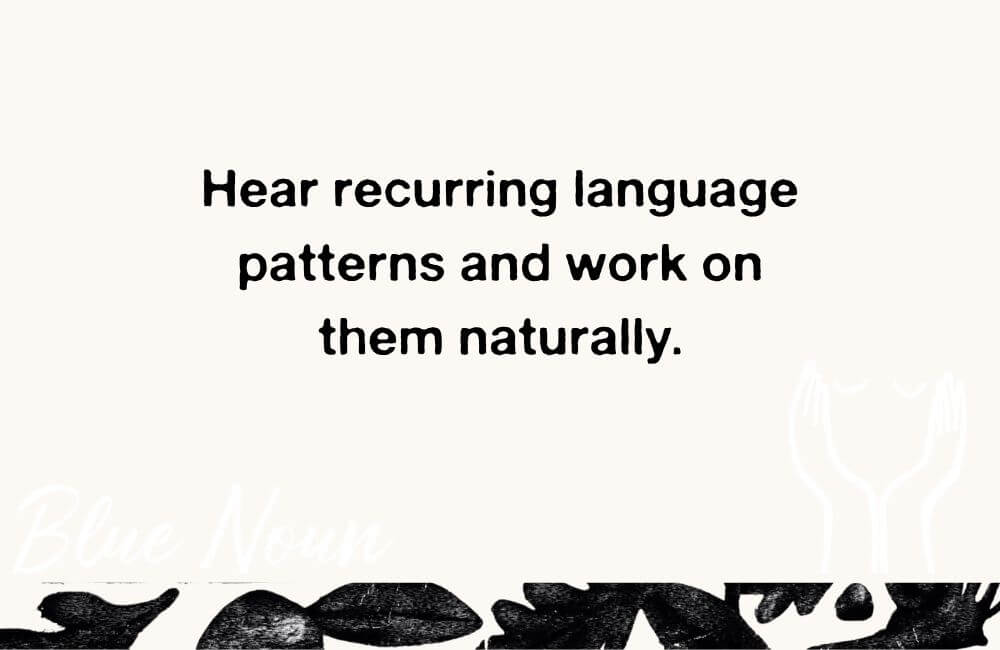

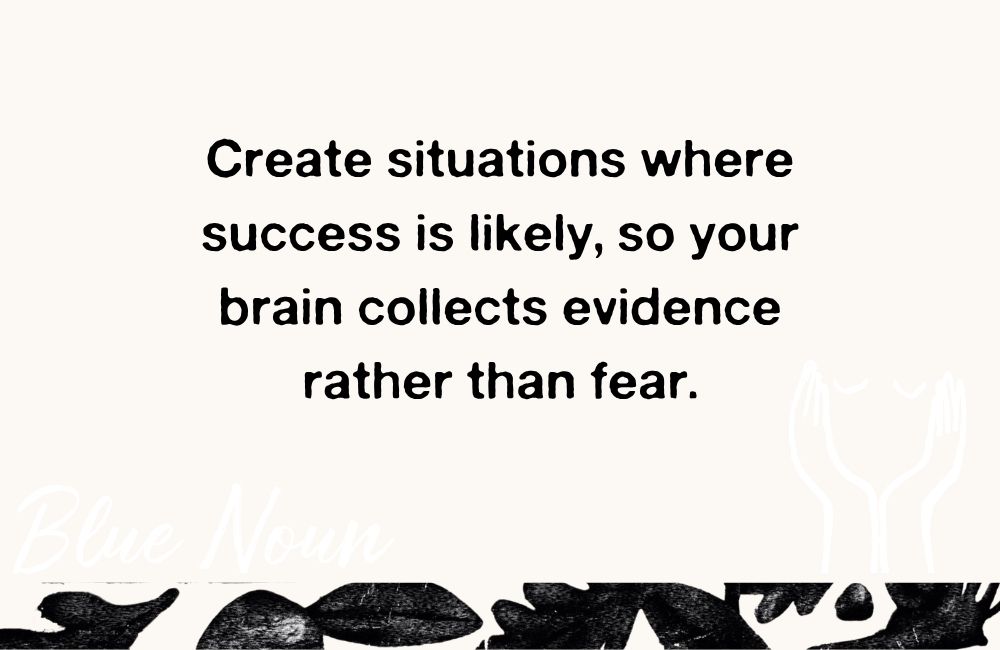

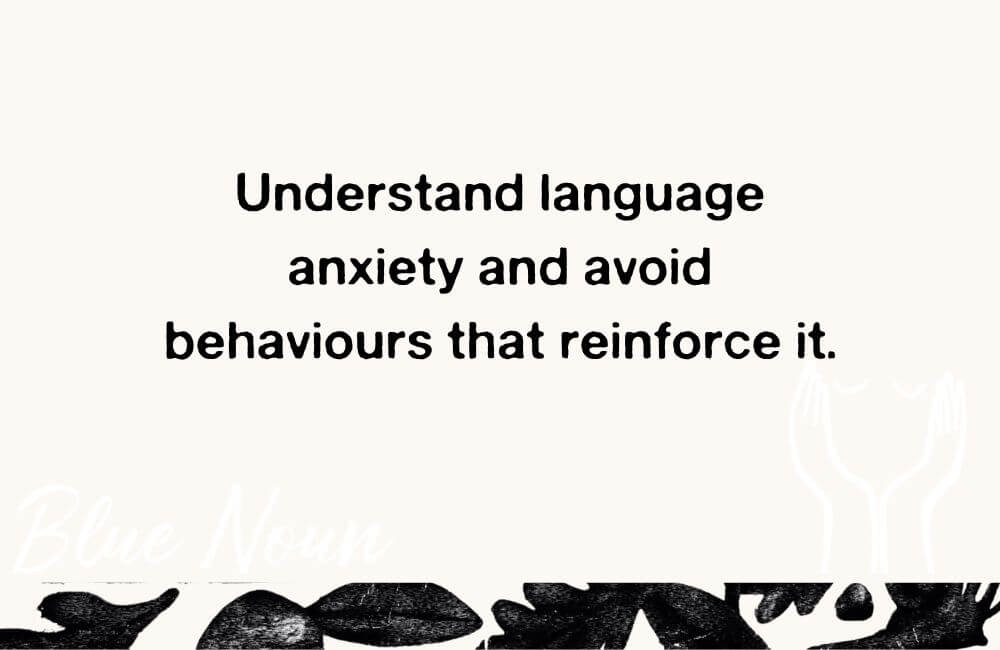
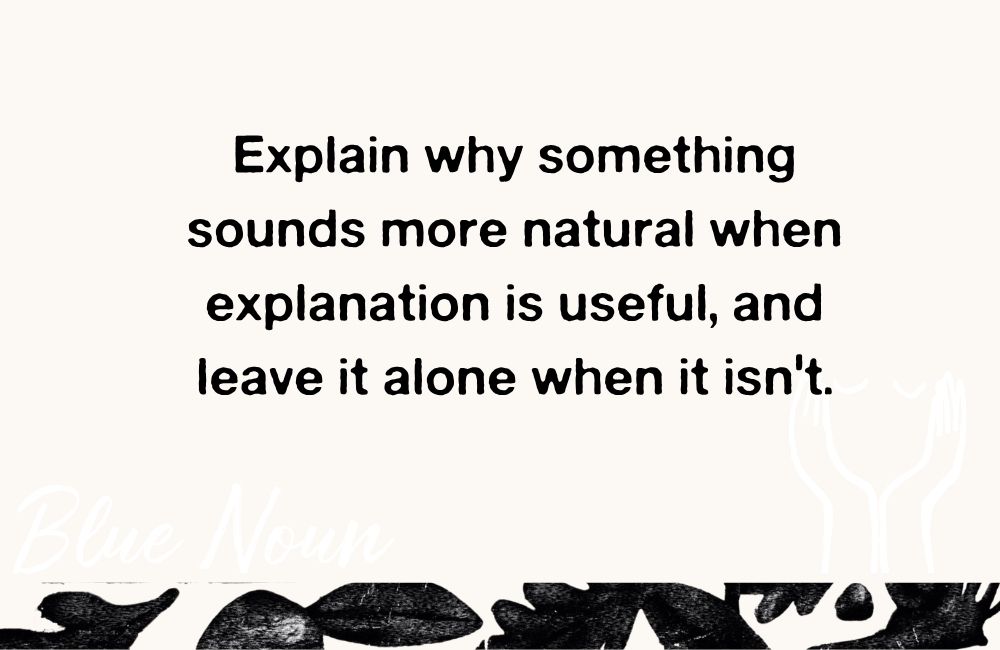
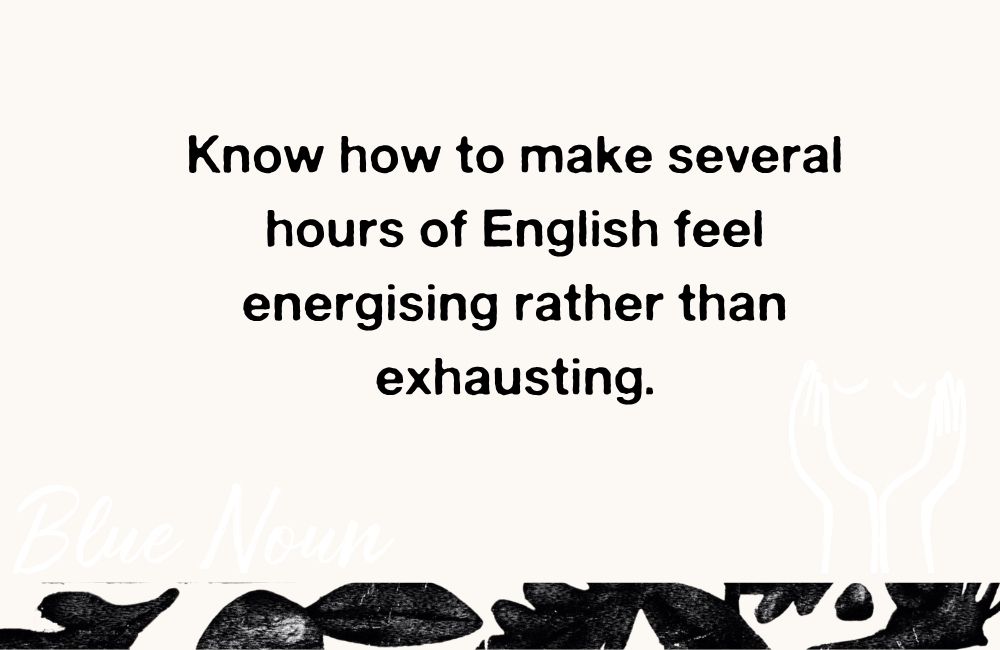
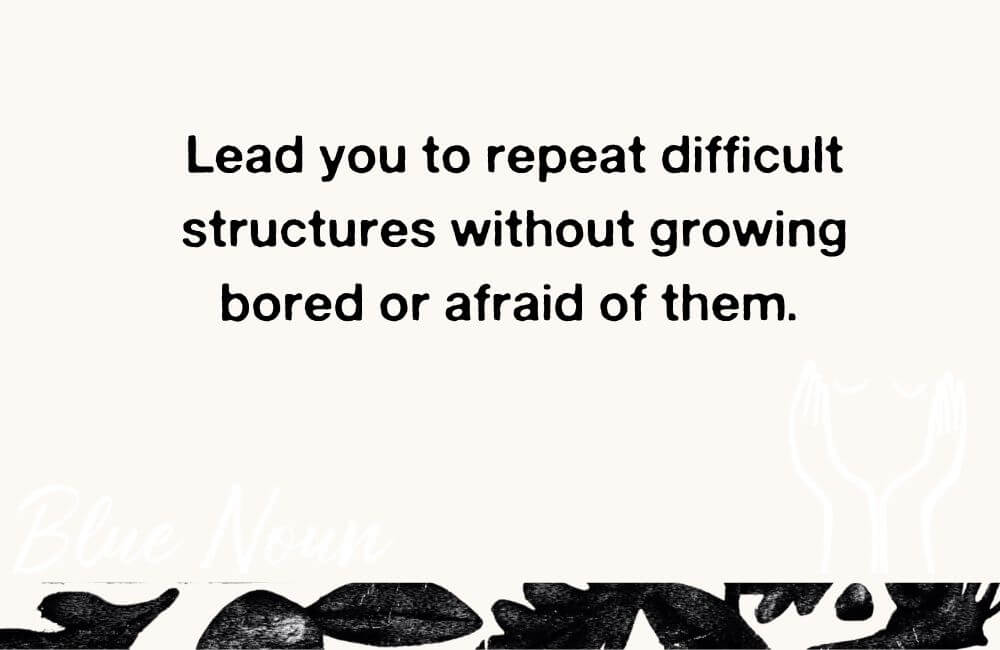
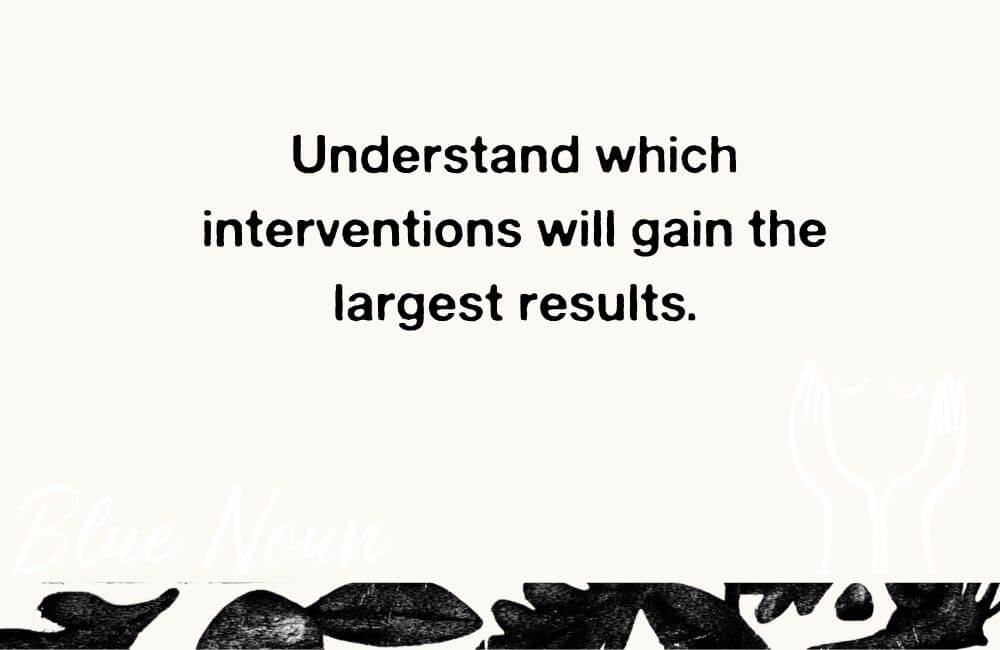
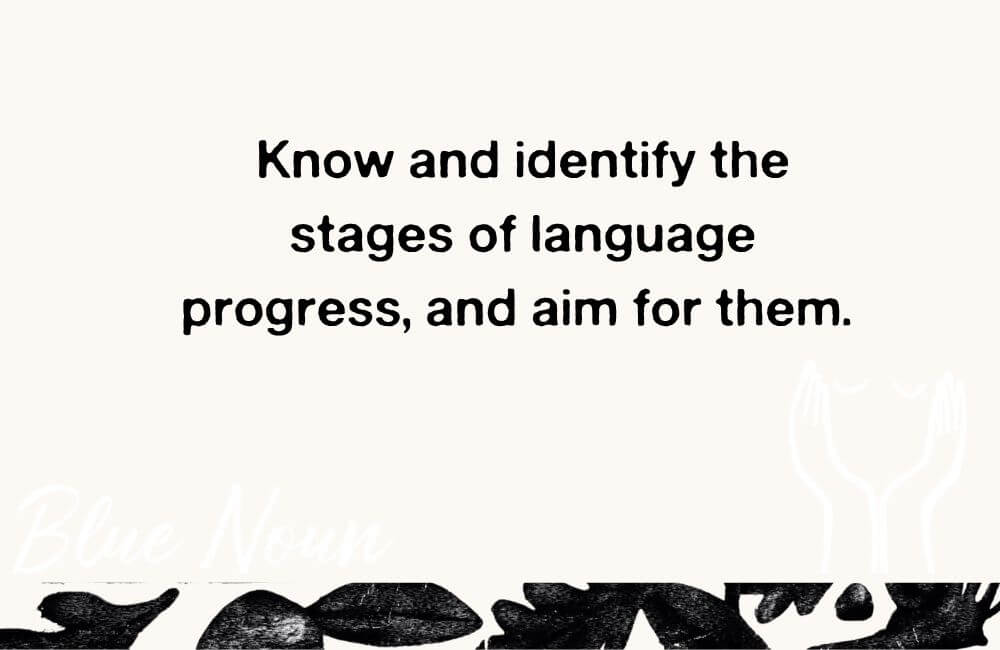

Learn more about this list:
→ Conversation Options for English Learners
You Might only Know One Style of Language Support
I often work with people who ask me to correct every mistake because they equate this with what good language support looks like.
If it’s all you have ever known, then you assume that’s what language learning is supposed to look like. It goes unquestioned.
I want to challenge that assumption by talking about how it feels to only know correction.
Yes, there are obvious ways that error correction is a strong and powerful tool.
But so is a sledgehammer.
Instead, We Ask, How Can We to Encourage You to Speak?
Error correction is only the right method if the person is comfortable with this kind of assistance.
If someone subjects themselves to it and then never takes another class, or never speaks English again because it robbed them of their last bit of confidence, it wasn’t worth it.
People also exist inside layers of social conditioning that may prevent them from saying, loudly and clearly, that the rhythm isn’t right for them.
They may say it’s fine at the time, but feel hurt hours afterwards.
It may be out of sight that they feel just 10% more discouraged.
The goal of our conversation holiday is not to fix every error. It is for you to feel vastly more encouraged.
What happens downstream after our courses end is part of our results.
Too many trainers try to fix the immediate stuff without care.
Too many people assume that constant error correction is simply what language support should look like.
But can you imagine a holiday in which everything you say for a week is treated as ‘wrong’?
Now imagine a holiday where everything you say is interesting and understandable.
There are small spaces for language work inside each day, but even those feel light.
My point is that people don’t need to be doing error correction to be helping.
I am strongly against that basic assumption.
And if you are going to correct someone, create the right space and container for it.
→ Why We Don’t Correct Every Mistake

What over-correction can lead to
I once helped a woman doctor prepare a presentation for a major medical conference.
For the month before the event, her head was filled with thoughts of getting the English wrong. That occupied space that should have been filled with who she might meet, what conversations she might have, how she could communicate her ideas more effectively, and what she wanted to achieve.
For her, being brave enough to do it meant believing her words needed to be perfect.
I helped her see that, if we applied that attitude to everyone, we would silence anyone imperfect from having a valid voice.
Most of the people I help have driven themselves incredibly hard to get where they are.
But sometimes it’s time to give the critic wrapped up in your English a little rest.
Presenting your work to an international audience is a huge, glorious achievement.
Learn to celebrate that instead.
Too many of us see our language skills through the lens of mistakes.
Learning a language is unlike other kinds of learning.
This is because knowing a language is not like knowing other things.
As a result, the tools and strategies you have used to learn other things (like brute force repetition of facts) may not apply, and the best way to learn a language will look quite unlike the best way to learn anything else.

Error Correction inside a Conversation Holiday
Error correction truly can be an element of someone’s learning, but few want to feel the weight of it for a week.
If you think you want someone to point out errors all week, I would invite you to work out your language goals. Why do you think you want this?
Error correction is not only what language teaching is: there are good ways and bad ways to do it, and right and wrong moments, and the right and wrong relationships for it to happen in.
→ Tips for Learning English with Your Partner
Error correction is easy to do if you think it is just correcting all mistakes as they happen.
Doing it supportively, carefully and strategically is a skill and an art that not everyone has.
Don’t forget, there are many other ways to help someone with their language beyond pointing out mistakes, like simply creating a place where people feel safe to speak.
It’s what I did here at Blue Noun,
I began this language school because so many people were only doing English teaching – even English holidays- this one, critical way.
What happens when language has space to breathe instead?
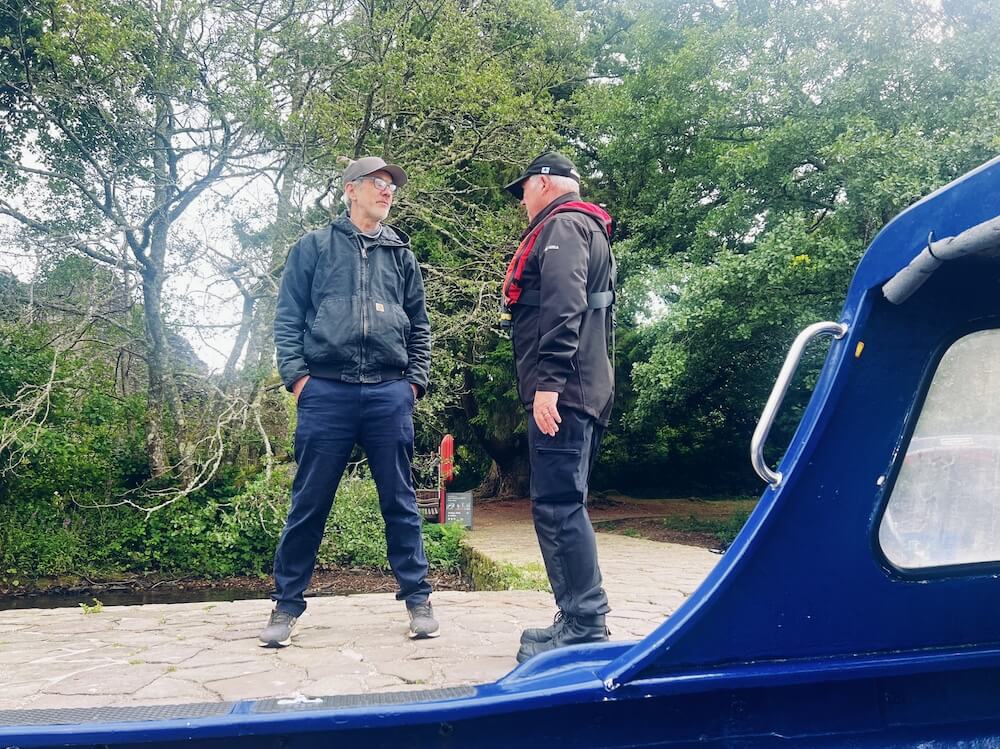
What happens when language has space to breathe?
At Blue Noun, we asked:
How do people rebuild a relationship with a language they’ve come to associate with pressure or judgement?
Just a few of our solutions are:
- English holidays not holiday courses in classrooms.
- Our English Amnesty Holiday option for those shy about speaking.
- Language Holidays Designed for Women
- Caring about Health and Well-being
- Caring about our community through our Responsible Travel aims.
- Using art, walking, wildlife, cooking and conversation to grow language identity.
- Future planning for your English when you leave.
Is Blue Noun the right kind of English help for you?
People come to Blue Noun with very different English needs. Some are struggling or stuck. Some want more confidence, expression or direction. Others already enjoy using English and want to take it somewhere new.
What if You Don’t Like Speaking English?
Error correction may be normalised, but dreading English doesn’t have to be. If language learning has started to feel like a catalogue of what you get wrong, explore what might help change that relationship.
→ What If I Don’t Like Learning English?
The English Amnesty Holiday
If you fear your English is ugly, being asked to speak more can feel like being asked to expose more of it. Our English Amnesty holiday takes things slowly, giving you just one language coach, plenty of space and silence, and no pressure to meet our community until you feel ready.

Pausing for Nature
Experience English: Autumn Moments is about pausing long enough to really experience Scotland as the season changes. Nature gives us reasons to slow down, notice more — and use English through experiences worth talking about.