
The travel industry has long made an assumption about solo female travellers: that they must be single.
But many women who love solo travel are in happy relationships. They simply value the chance to step outside their daily roles for a while — to think, explore, and learn on their own terms.
Women in healthy relationships want the benefits of solo travel, too. They don’t need permission, but they do need an offer designed for them.
This is especially true for holidays that involve learning or personal development. Carving out time for yourself can be difficult when you are balancing work, family life, and often caregiving responsibilities.
But imagine returning from a holiday not only refreshed, but with stronger English.
Many women searching for language holidays for women are not necessarily looking for a women-only programme. They are simply looking for a learning environment where they feel safe, supported, and able to travel alone with confidence.
Many of our guests are travelling alone for the first time in years — sometimes for the first time ever.
Over time, we have shaped our holidays so that solo travellers feel both safe and supported, while still enjoying the independence that makes travelling alone so special.
Creating a safe and supportive learning holiday
Travelling alone does not have to mean navigating everything by yourself.
Sometimes it simply means giving yourself the space to grow.
Some of the ways we support solo travellers include:
• Arranging airport pickup, so you arrive with confidence rather than uncertainty
• Small groups, so everyone quickly feels known and included
• Continuous coaching and companionship throughout the week
• Carefully chosen homestay hosts, providing a welcoming base in the community
• Shared activities and local experiences, so no one feels left on their own
For those who prefer an even gentler start, there are also private holiday options, allowing you to experience the programme at your own pace.
And for learners who feel nervous about speaking English in the real world, the English Amnesty holiday offers a quieter option focused mainly on coaching, without the pressure of much real-world conversation with the wider public.
When Systems are Designed for Someone Else
Recently I listened to a podcast interview with women’s health researcher Dr Stacy Sims. Her work focuses mainly on sports science, but the insight travels much further.
She explains how much modern health advice is based on what she calls “dude data.”
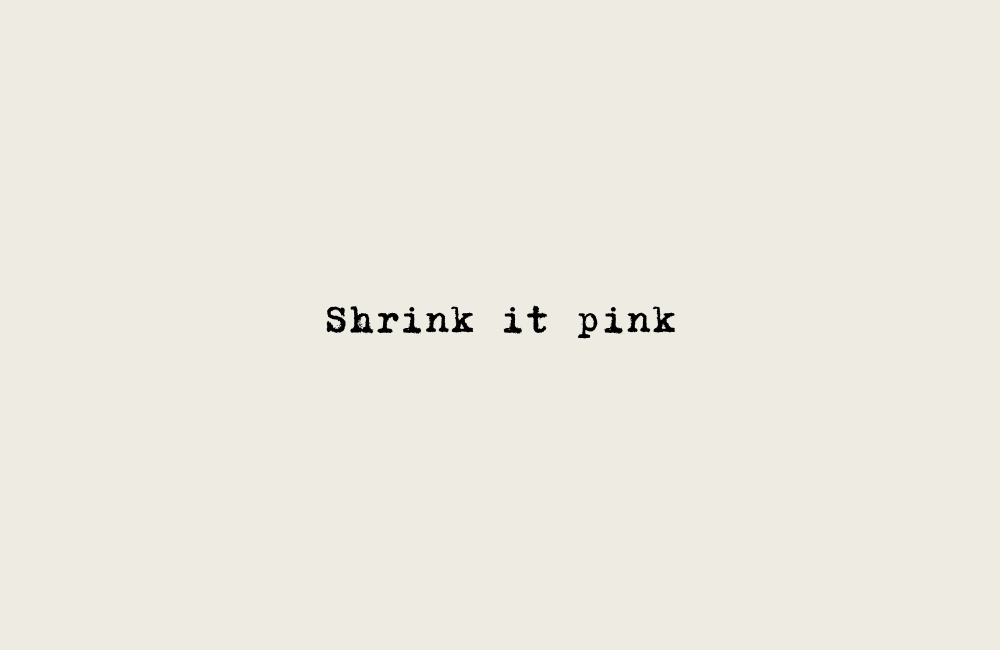
In sports science there is even a phrase for this approach: “shrink it and pink it.”
Equipment designed for men is simply scaled down slightly, coloured pink, and sold as a women’s product: the standards are still drawn from data based on male bodies and then generalised.
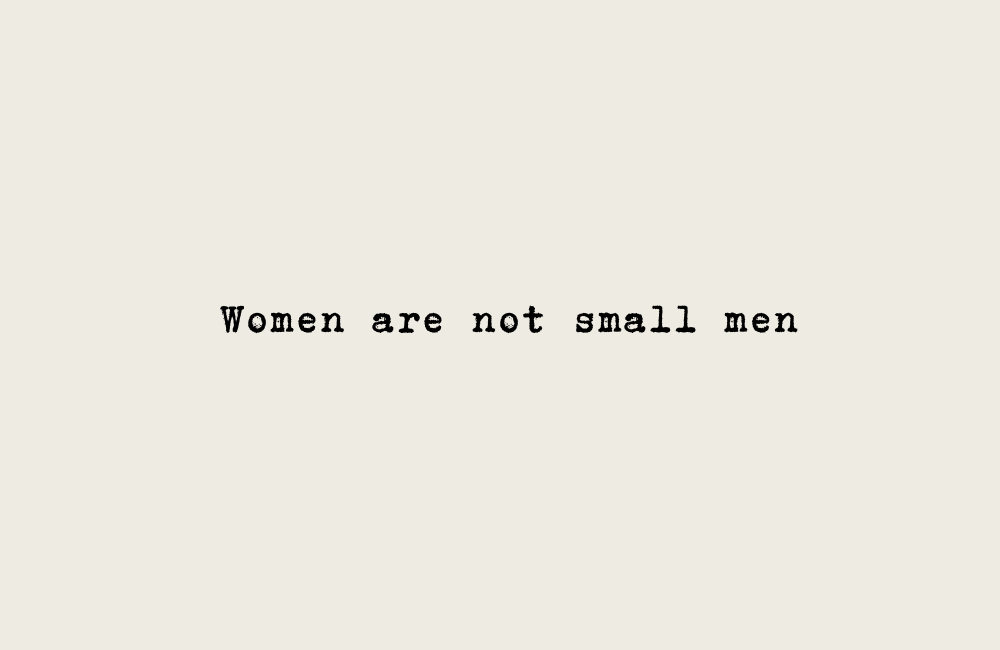
Her famous line is simple:
Women are not small men.
The same pattern appears in many systems — including business, education, travel, and language learning.
Women are often asked to step inside structures that were designed with different assumptions about energy, time, risk, and responsibility.
Shaped by Experience
Blue Noun holidays are not exclusively for women, and we welcome anyone who feels drawn to the experience.
But their design is deeply informed by my own experience — as a woman travelling alone, and as someone who has struggled to use another language.
I know what it feels like to forget words you know, become frustrated by what you can’t express, and feel much less capable in another language than you actually are. I also know that discomfort around you doesn’t disappear simply because you are supposed to be concentrating on learning.
If my need for movement, healthy eating, safety, relaxation and comfort had been met before I was asked to be vulnerable in another language, I might never have felt the flush of humiliation that accompanied speaking at every faculty meeting.
That experience changed what I believe good language-learning design needs to take care of.

Your Comfort Matters
Physical comfort is part of the learning design here.
When you are already doing something vulnerable — travelling alone, speaking another language, meeting new people — unnecessary discomfort doesn’t make the experience more valuable. It simply gives you one more thing to manage.
That is why we pay attention to the things that can easily be dismissed as peripheral to language learning: feeling safe, eating well, having opportunities to move and rest, being somewhere pleasant and knowing that someone is looking out for you.
I am enormously proud of the Blue Noun team, who help create that feeling of being safe, welcomed and cared for. It is a kind of expertise that academic accreditation systems have no box for, yet it can make all the difference to someone’s experience.
Female Energy in the Way Our Holidays Unfold
I am a woman, as are many language teachers. But when I talk about female energy at Blue Noun, I mean something more specific than who is doing the teaching.
I mean a space built around kindness, respect, care, sharing and empathy — where expertise is used to make room for another person, rather than to dominate the room.
I know what happens to me when someone performs their expertise, talks at me, or makes me feel like their audience: I close up. I contribute less. I stop wanting to share.
I want the opposite for my clients.
The attention here isn’t on me demonstrating what I know. It’s on creating enough trust, interest and mutual respect for you to express what you know, think and feel — in English.
That is why the approach is invitational rather than performative. There are opportunities to join in, contribute, ask, notice, try and share, without every interaction being controlled by the teacher.
Inviting, not telling.
Men can thrive in this environment too. But they are being invited into a learning culture built around care, collaboration and mutual attention, rather than hierarchy or performance.
Many of our guests arrive doubting whether they are brave enough to travel alone.
Most leave wondering why they waited so long.

Why Design Matters
My daughter is left-handed. It’s a small obstacle in the scheme of things, but I see her navigate a world that isn’t quite optimised for her. Where others thrive effortlessly, she sometimes has to adapt.
Now imagine that 51% of us are living in a non-optimised world without even realising it.
When we talk about design — in health, in travel, or in learning — these things matter more than we often notice.
Thoughtful design does not exclude anyone. But it recognises that people experience the world differently, and creates space for them to thrive.
What Women Want
Women don’t want softened-down versions of male-designed systems.
They want thoughtful experiences that respect their real needs — and give them safe adventures in self-expression.
A language holiday designed with a “shrink it and pink it” mindset might still look the same: classroom hierarchy, performance pressure, and perhaps with the addition of cupcakes at break.
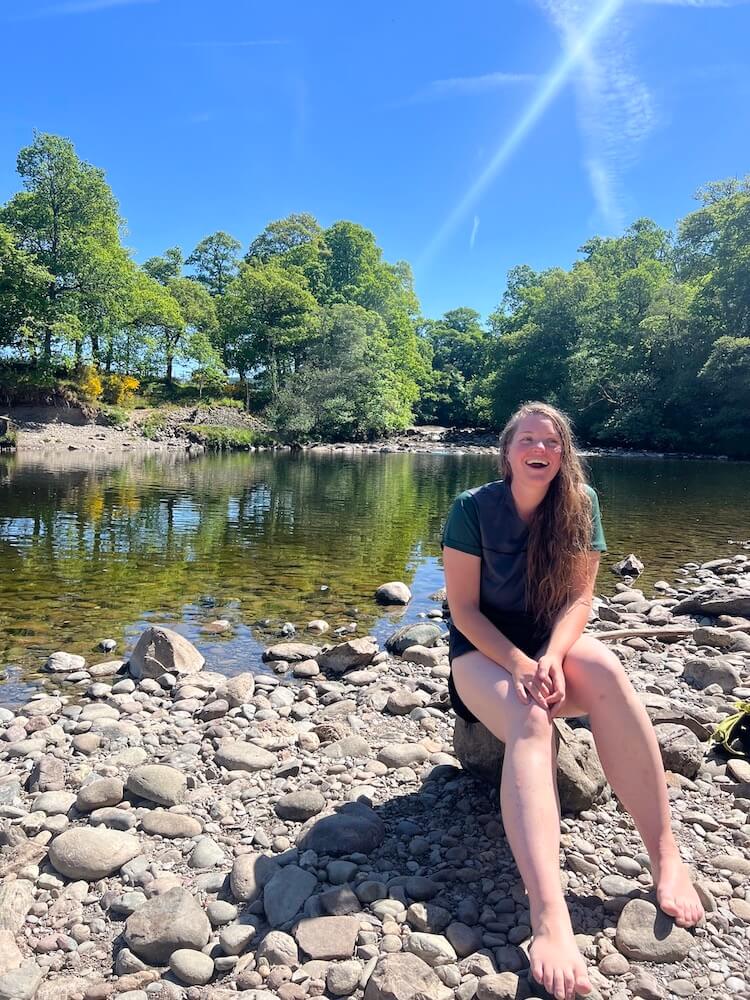
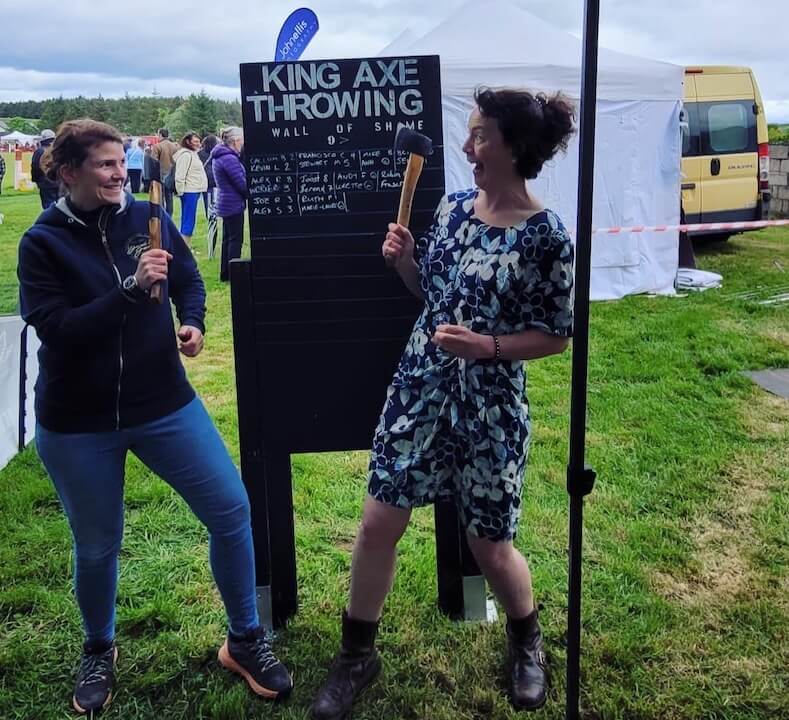
But we know that many women would rather be out in the forest, throwing axes or walking barefoot in a river or taking a yoga workshop.
We know, because we are those women too.
Designing Language Holidays for Women
Part of my job is to challenge assumptions — and to build learning experiences around individuals.
Many classroom-based language holidays offer a set formula that you step into. Language is thrown at you whether you are comfortable or not, and whether it is actually the language you need next or not.
Dr Stacy Sims points this out in women’s health, but the same principle applies to learning.
The very systems we trust with our health are often not optimised for us — and can sometimes be actively counterproductive or even harmful.
The same is true in language learning.
There should be no compromise in learning a language, other than the natural challenge of moving from a language you already speak into one you are still growing into.
“There should be no compromise in learning a language, other than the natural challenge of moving from a language you already speak into one you are still growing into.”
Ruth, 2026
Waiting to be Ready
For many women, it’s not a lack of interest in English that holds them back — it’s the feeling of needing to be “ready” before they begin.
That sense that they should be more confident, more fluent, or further along before stepping into something like this.
It’s a bit like yoga in that way — something you know would be good to return to, but which becomes harder to restart the longer you leave it.
Designing Language Learning for Individuals
Thoughtful design isn’t about deciding what women need and creating another system they have to fit themselves into.
It means creating enough flexibility to respond to the individual: what gives them energy, what makes them hesitate, what they are curious about, when they need support, and when they are ready for more challenge.
That is the philosophy behind Blue Noun holidays: meeting people where they are, rather than requiring them to become the ideal learner before learning can begin.
When the conditions are right, language does not need to be pushed. It begins to emerge.
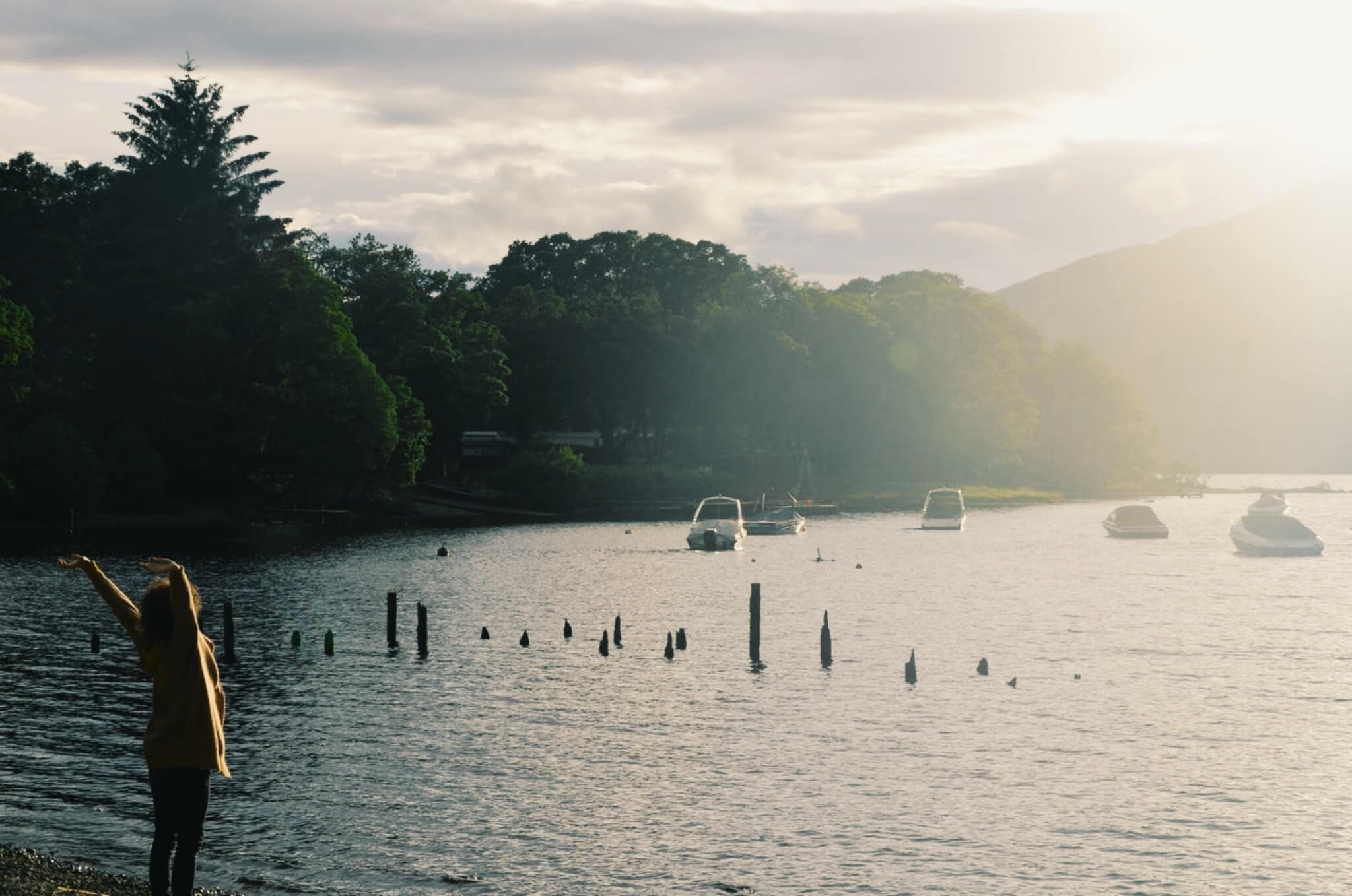
Perhaps that is the real gift of solo travel: a little space to step outside your daily roles for a while.
And sometimes, to come home not only refreshed, but with a stronger voice in English.
Further Information
Link to podcast: Mel Robbins’ interview with Dr Stacy Sims.
All images on this page are taken as part of our language holidays.
Cover image: zine-making workshop at Birnam Arts, Jen guiding a nature walk, Comrie, The Beltane Fire Festival, Edinburgh, axe-throwing at the Blackford Highland Games, and a wild swim at Loch Earn.
About Error Correction
Many of the women I work with tell me they have spent years worrying about getting their English wrong before speaking at all. This personal story explores what it can feel like when correction overshadows confidence, and why many of our women’s language holidays offer a gentler, more encouraging way to rebuild trust in your English.
An Invitation | Practice Presentations all Summer (2026)
Female guests joining Blue Noun holidays this summer will have an invitation to join our Presentation Skills Development Workshop.
An experimental, non-judgmental space to grow stronger at public speaking.
→ Blue Noun’s Women’s Presentation Skills Club
The Gathering | Female Language Teachers Share Expertise
Related reading: I recently spent a week learning alongside female language coaches and teachers, reflecting on what happens to language education when women build spaces around collaboration rather than competition. It left me asking a much bigger question about where Blue Noun fits in the wider language-learning journey.
→ The Gathering | Sharing Ideas with Female Language Educators
Useful Links
How we balance learning, wellbeing, and responsibility
Our three priorities make for one great holiday.
Design Matters
Discover the design behind our English coaching holidays.